

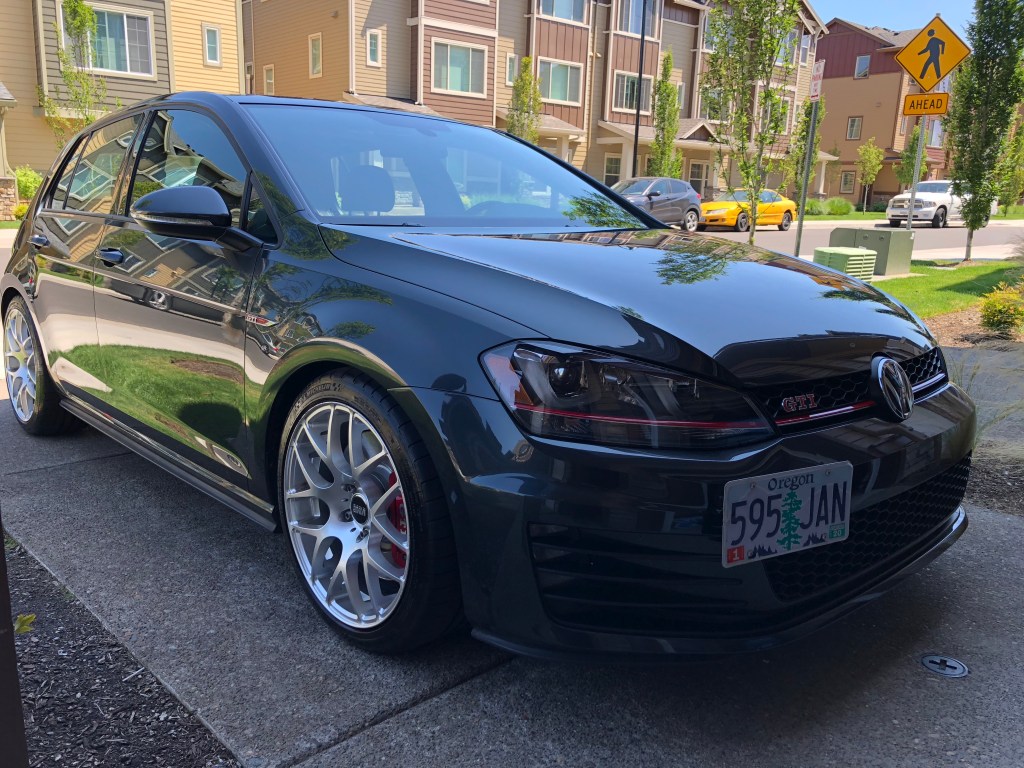
One of the first things I did with my GTI added more power. The MK7 platform, specifically the 2.0T EA888 Gen 3 engine, is one of the more upgradable engines. It won’t make 2JZ power in stock form, but you can crank out some killer numbers with some simple modifications. I added a few items to my GTI to “spice it up” without going overboard. At the end of the day, it’s still a front-wheel-drive daily driver, so I don’t need 600hp, no cats, or an anti-lag system. Just something fun to get me to work, and anything that is a bit of a sleeper is always on my radar.
Uprating the tuning on most turbo-charged VW and Audis is the best bang for your buck modification you can do. There are many reputable companies, and if you stick with a Stage 1 tune, there is no major concern with adding more power. Sure, I could have gone for some insane number, but I went the responsibly irresponsible choice. I decided to go with APR Tuning’s Stage 1 software, and I couldn’t believe the difference. It really was night and day. Running the 93 octane version, I got a 94HP and 79 FT-LBS of torque increase. That is absolutely insane that you can add that kind of power to a 2.0L, especially for the price. And at $675, including installation, you cannot beat that. The car is now a rocket ship. With shorted gear ratios, 3rd gear comes way too fast. To this day, it still makes me crack a huge smile when I step on the loud pedal. It’s way too ridiculous for a small hatchback to be going as fast as it can, even more so with a nerd like me driving it.
However, dropping my 0-60 time by a full second, I was plagued with excessive wheel hop. The main way to relieve wheel-hop is with better suspension and tire, but I’ll get into that in Part 3. Keeping with the best bang for your buck theme, I installed APR’s Billet Dogbone Subframe Mount. Now, most solid mounts like this will torment you and shake you to death. Yes, stiffer is better for lap times, but it may not be worth it with increased noise and vibration. APR’s mount is different than most. This mount is inserted into an existing bushing. The result is exceptionally noticeable as it only blocks half of the bushing instead of all of it. This gets you the restriction in play you want without the harshness of a solid bushing. The “dogbone” part of the subframe is a mount that the engine pivots on towards the firewall under heavy acceleration. Once I installed this, my wheel hop was almost non-existent, and my 1st to 2nd shifts were now like butter. All of the upside, and it only takes one bolt to install it. In the words of Chandler Bing, “Could it be any easier?”
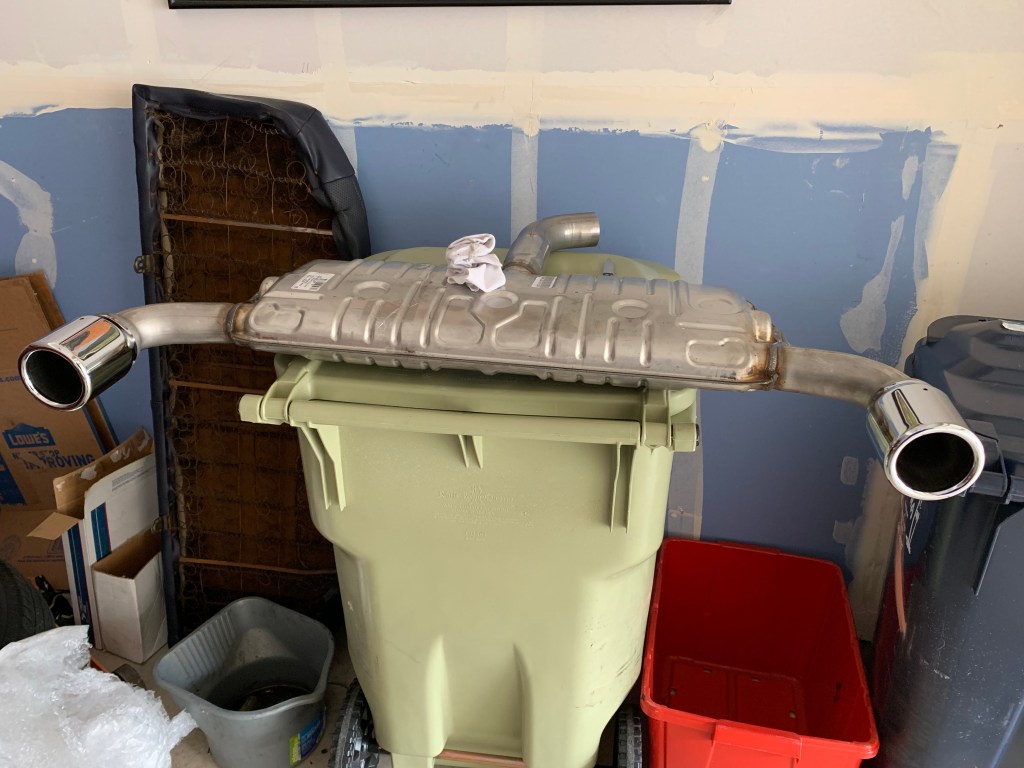
Despite being underwhelming in the performance category comparatively, my favorite part of my car has to be my muffler. It is one of those “if you know, you know” parts. I installed the VW GTI Clubsport S muffler on my car. The VIN numbers were locked at the time, so you could only purchase the part if you had a Clubsport model. However, in the sketchiest transaction I have made, I bought one from a website called cars245.com from a referral on one of the MK7 forums. To my surprise, the experience was nothing less than spectacular. I ordered my part on a Wednesday night, and it was delivered from Latvia that Saturday. Less than 72 hours to receive, package, ship, and go through customs. I was utterly blown away.
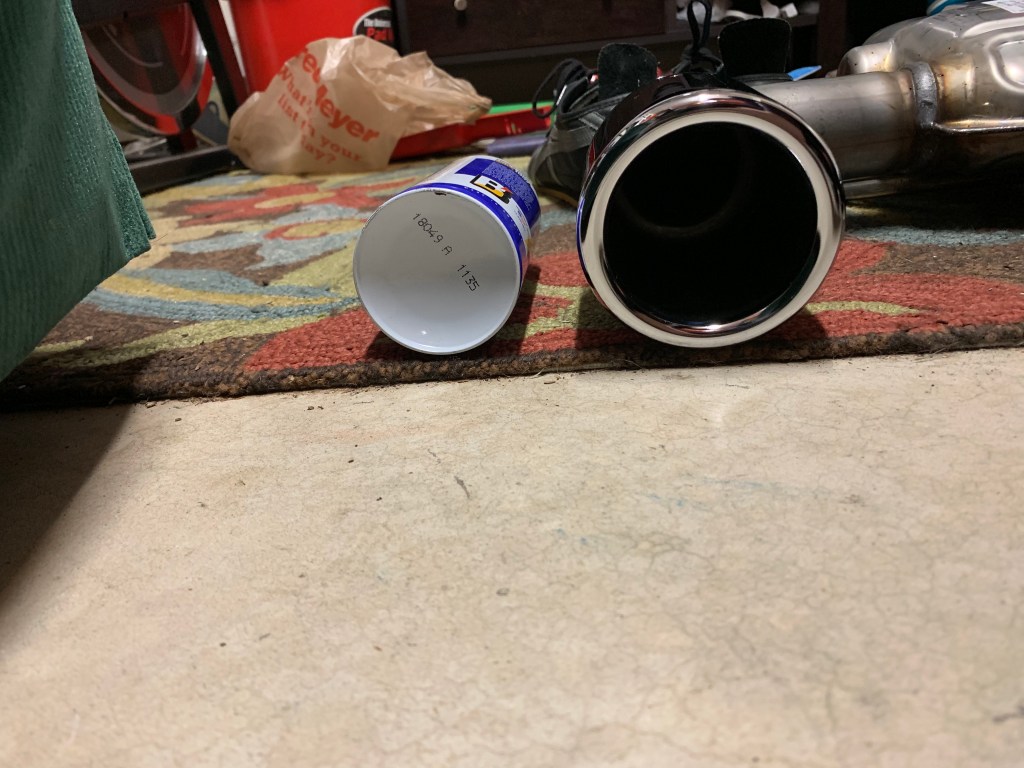
As for the muffler itself, I chose this one because it is an OEM part but with better sound and performance. Think of the Clubsport like BMW and their “M” models. I am a huge believer in the OEM plus look and that there has been intertwined throughout my car build. Another reason I chose this muffler was the sound. With inline-4-cylinder engines, you can quickly get your car to sound like a raging beehive, and I was worried I wouldn’t like it. At the time, the muffler cost about $400 with shipping, so it was a killer deal when looking at other options. The other options come with a resonator or additional muffler deletes but are generally at least $800. If you think of the cost vs. sound analysis, it was the best option. Once installed, the result was exactly what I was looking for. A little bit more growl, a little bit more turbo noise, slightly better response. It was absolutely perfect for what I was looking for. Even the install was a breeze. Since it was an OEM part, a groove in the exhaust shows you where to cut it to replace one. The factor I didn’t consider I would enjoy so much is the look. The slightly bigger tips give the car a much more aggressive look than stock without screaming aftermarket.

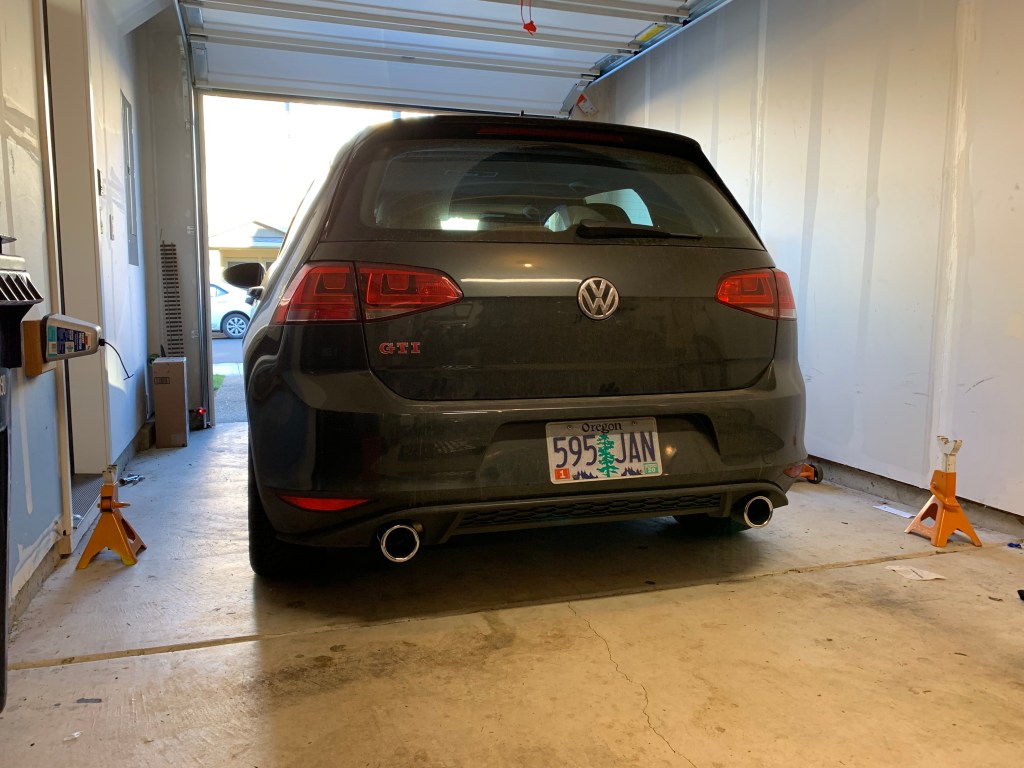
Being relatively unnoticed is a hugely underestimated part of enthusiast ownership. My friend owns an F80 body BMW M3, and when I drive it, you can get maybe 10 minutes in it before someone is trying to race you. It detracts you from the experience the car is supposed to give. I hate it. Flying under the radar lets you focus on your driving happy place. So, the short and sweet version is: Keep your build lowkey, and you will enjoy it more, at least for your daily driver. Unless you happen to have a Lamborghini Aventador, then let that exhaust rip baby!
There are hundreds of options out there for more power. I chose the MK7 platform because you can exponentially increase the driving experience with only about $1k. There are not many cars out there with these kinds of increases for the price and reliability. Sure, you can bump your boost to 50 psi in your Civic SI, but it’s not going to go very far, although it would be fun. There is a time and place for expensive modifications and high HP cars, but it’s not always every time. You don’t always need the craziest, most expensive part. Keep it simple and within your plans for the car. Cutting your lap times by .01 seconds doesn’t matter when you are driving to work. It is more important to enjoy your car than to claim what it can do. Modify your car the way you want; just make sure you know what you actually want before you do it.
 The Late Brake
Leave a Reply