


Nestled in the heart of downtown Reno, Nevada, right on the Truckee River is the National Automobile Museum. An unassuming showcase of some of history’s most important cars. The cars found on display here changed the future of what the automobile would become with most of the collection dating back before the 1920s. I remember visiting the museum back when I was around 10 or 11 years old, but cars from that era are astoundingly boring when you that young. I was looking for something with flames or jet engines to care about so I didn’t pay it the attention it deserved. Fast forward to being an adult, the chance to see cars upwards of 120 years old seemed like a no-brainer. With the museum being basically in my own backyard compared to other distances I’ve traveled to see cars, I couldn’t pass up on the opportunity to get a glimpse of the history of my biggest passion. As I stepped into this automotive haven, I couldn’t help but feel the pulse of a bygone era and the timeless beauty of the machines that shaped it.

The National Automobile Museum traces its origins back to the vision of William F. Harrah of Harrah, a man whose passion for cars went beyond mere ownership. In the mid-20th century, Harrah began amassing a collection that would eventually become the largest and most diverse privately-owned automobile collection in the world. His commitment to preserving automotive heritage laid the foundation for what would later evolve into the National Automobile Museum. After his passing in 1978, his hotel empire along with his car collection was sold to Holiday Inn. Eventually, around 175 cars in his original collection were donated to form the museums and are now currently on display making up the majority of the exhibits.
The museum’s halls are a treasure trove of historic automotive excellence, housing a meticulously curated selection of over 175 vehicles from different eras from the late 1800s to the 60s and 70s. From the earliest horseless carriages to the sleek machines of the mid-20th century, each vehicle tells a story of innovation, craftsmanship, and the evolving spirit of the automobile. Visitors are transported through time, witnessing the evolution of design, engineering, and the cultural impact of these iconic vehicles. The museum is broken up into 3 main displays, The Vintage Era, the Golden Age of Automobiles, and Muscle Cars and Beyond.
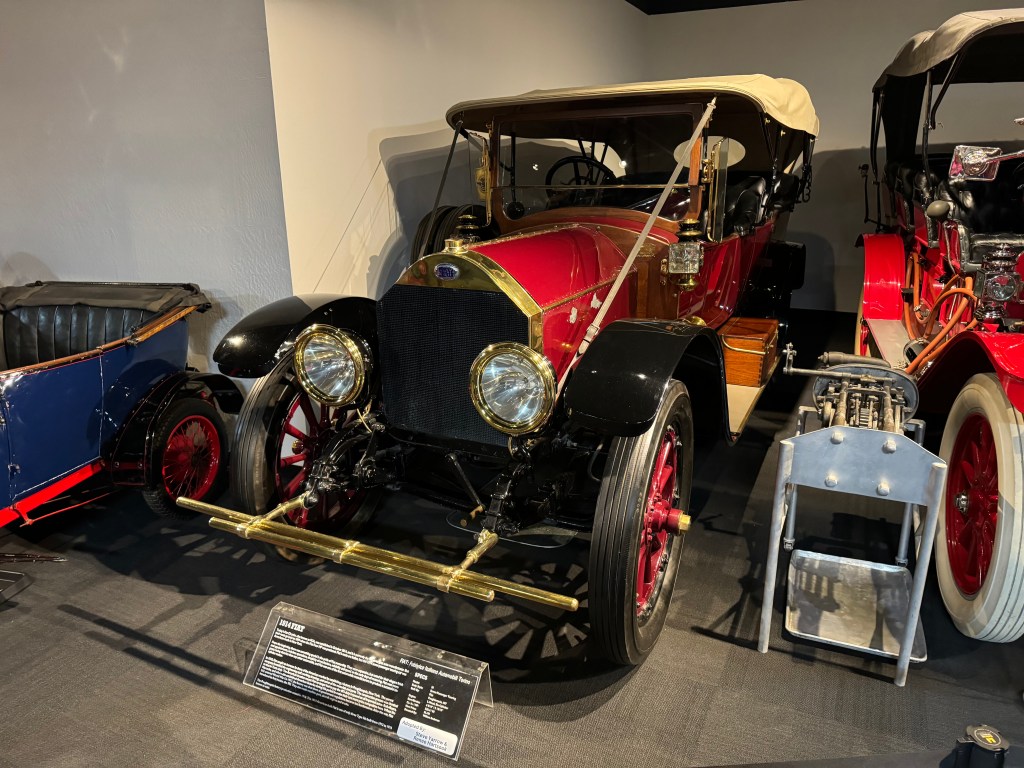
The “Vintage Era” explores the origins of the automobile with rare gems from the late 19th and early 20th centuries, including the famed 1907 Thomas Flyer. The Thomas Flyer made the unbelievable trip from New York to Paris via San Francisco going the long way around the world. The trip on its own is a feat of man, but doing it in 1908 without a windshield even makes the adventure that much more impressive.

One of my favorites in this section was the 1914 Detroit Electric. I was impressed with how they managed to create such a small package for the electric car when it’s still an issue 110 years later. All of the batteries fit in the space of the original gas engine as the electric model was an upgraded option. At the time, the cars cost $2250 but the electric upgrade was another $880, or $330 more than a Model T. It’s insane to think an electric version costs around 40% more than a gas version of a car, but it would be many, many years later before electric cars became affordable.

Most if not all of the automobiles in this section were in perfect unrestored original condition. They all looked as if they were brand new with the polished metals and unused wooden interiors giving the cars the historic spotlight they deserved. Without knowing what most of these cars were before seeing them, getting the chance to see like new examples was a treat. Seeing a brand new car is pretty pedestrian these days, but seeing new versions of 100 year old cars puts you back in that time period and makes them feel accessible. It must have been unreal to see the changes in innovation during that time period.

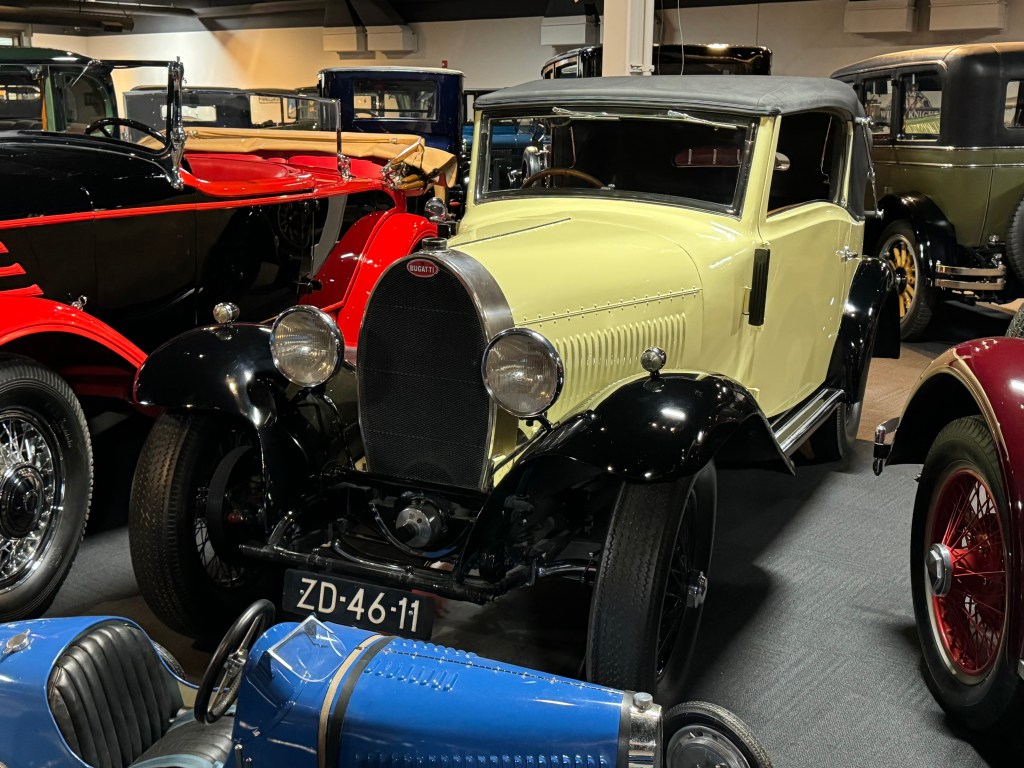
The “Golden Age of Automobiles” promises to immerse you in the glamor and sophistication of the 1920s and 1930s, where luxurious classics reign supreme. This is the era where cars started to take the shape of the cars we know today. With interiors becoming closed cockpits and engines getting larger and pushed to the front of the vehicles. Another big change was that cars of this era started to adopt standardized controls which are still prevalent today. Gas and brake pedals, steering wheels, parking brakes, all of the things that seem to be what cars are weren’t always the same in every car. This time period made them more uniform as more and more people started to own cars across the world. One that stood out to me in this exhibit was the 1934 Morgan. Being a huge fan of Top Gear, I am familiar with the Morgan 3-wheeler but I never realized how little has changed about it. I’m used to seeing modern versions from the 2010s and they look identical to the 1934 model. Not sure if that is an achievement of engineering or an unwavering stubbornness to change, but either way it was impressive. Another cool example was an old Bugatti. There wasn’t much difference about the Bugatti than the others around it aside from that fact that this one was much smaller. It was a two seater and was a bit more hunkered down. I’d like to think this was the “sports package” version. I’m sure it just happened to be a small car, but as a motorsport enthusiast one can hope.

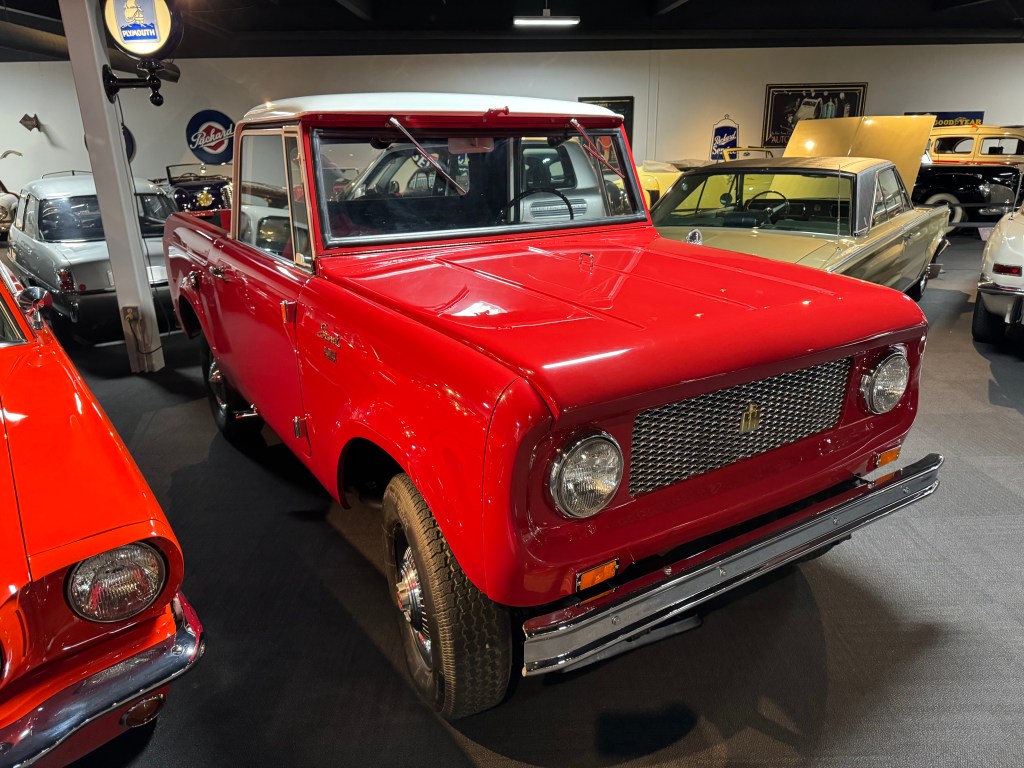
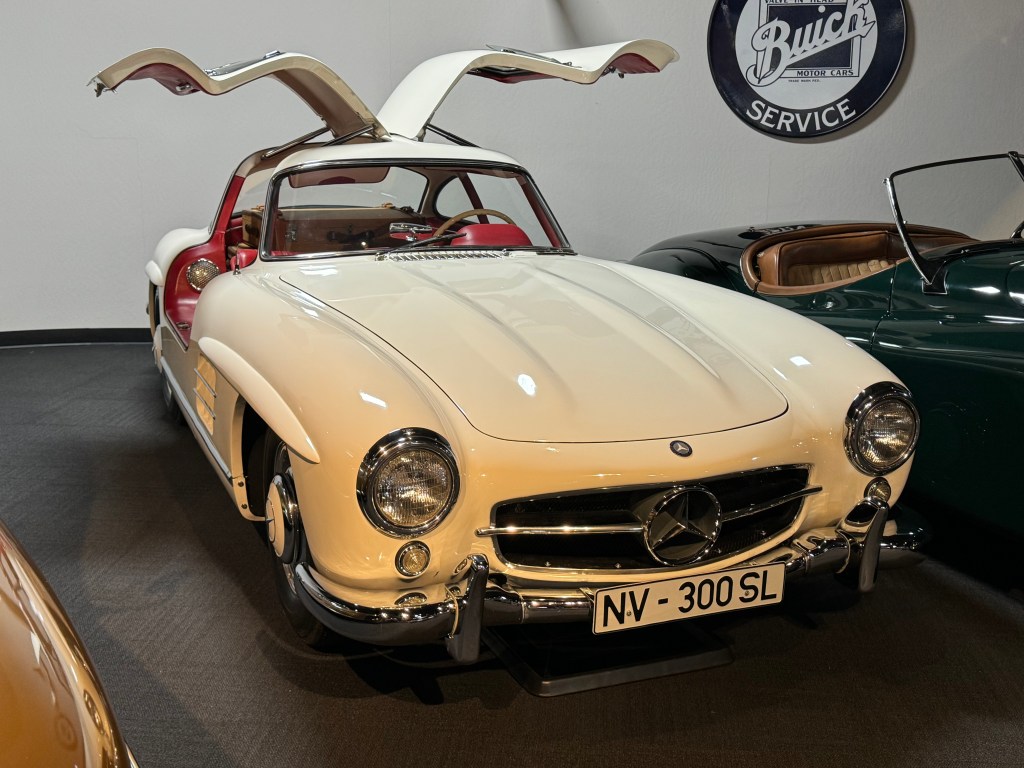
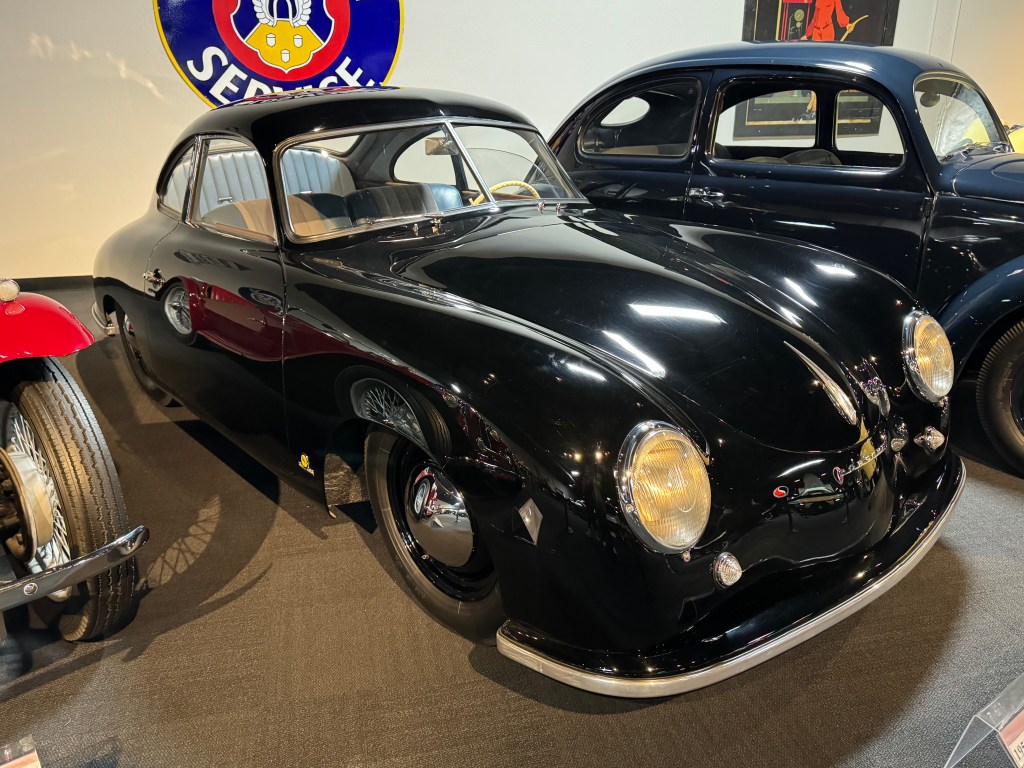
The third exhibit, the “Muscle Cars and Beyond” showing the power of American muscle with iconic vehicles from the mid-20th century, showcasing the raw energy, passion, and innovation of this era. Here were the cars I was used to seeing regularly. From Mustangs to VW bugs and everything in between. Similar to the other sections, what made this exhibit special was the level of perfection in maintaining these cars. Everything looked brand new. And I don’t mean they we repainted and looked brand new, these cars were original. There were two cars that stood out here in a major way for the modern enthusiast. The Mercedes 300SL and Porsche 356. Two icons in their day and still today. The values of these have made their way into the unobtainium pricing, but seeing pristine examples made my day. This exhibit was by far the most relatable and was well suited for the end of the tour as it was more of a display of greatness than a history lesson. It was a big crescendo ending the permanent part of the museum.



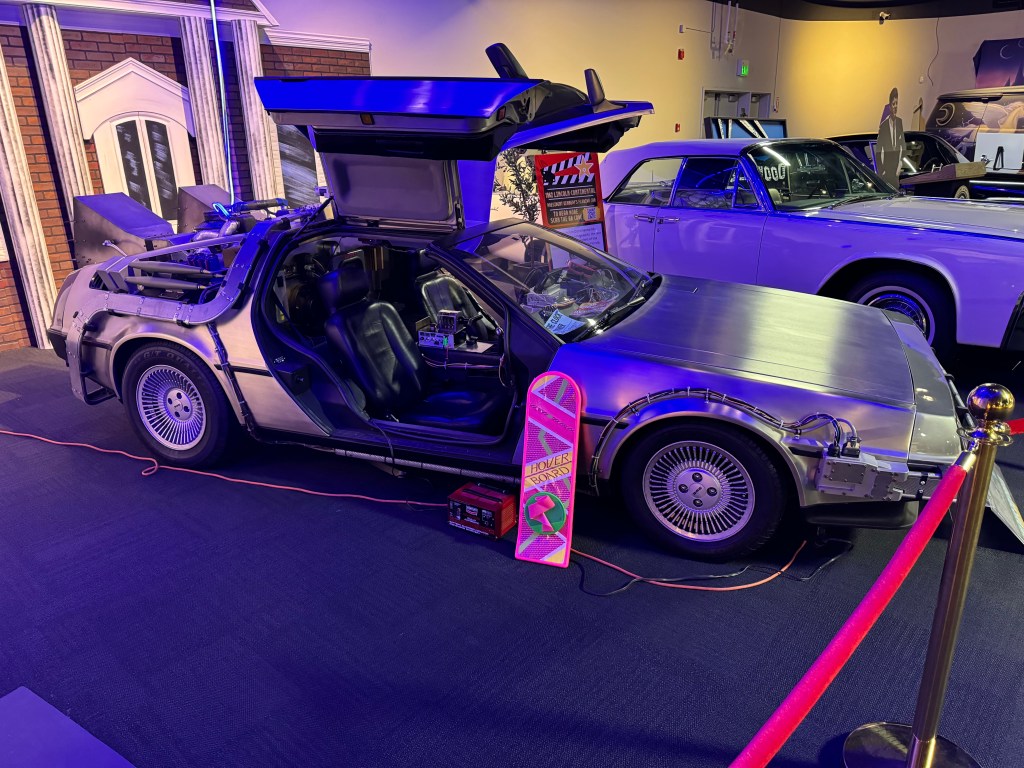
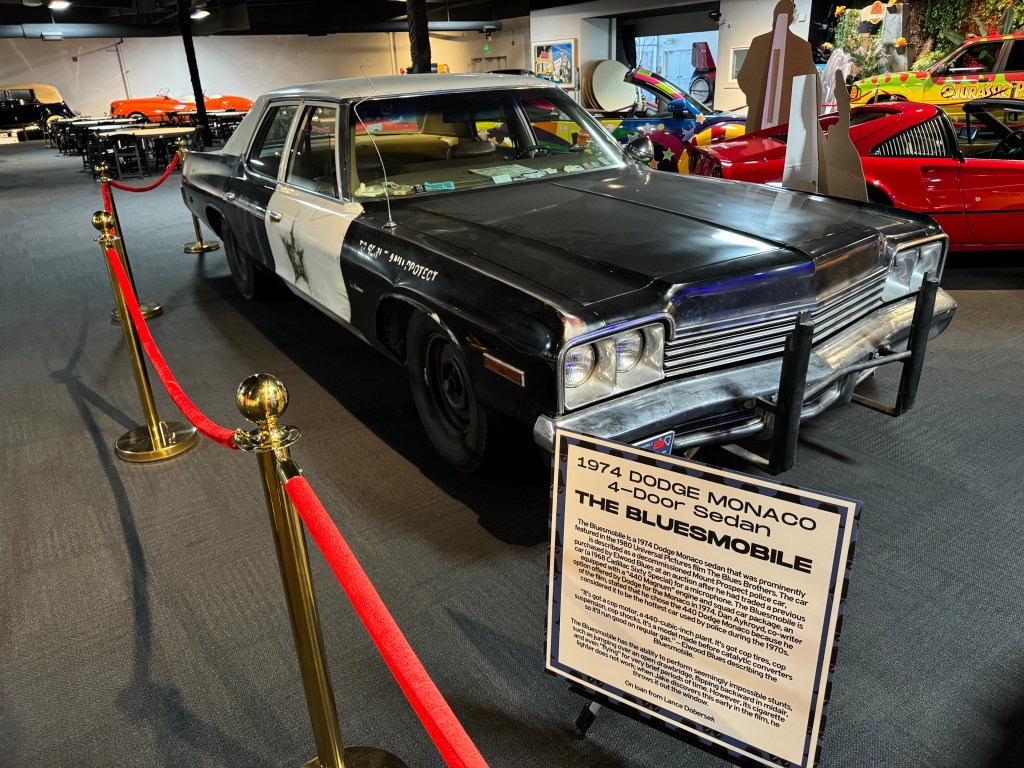
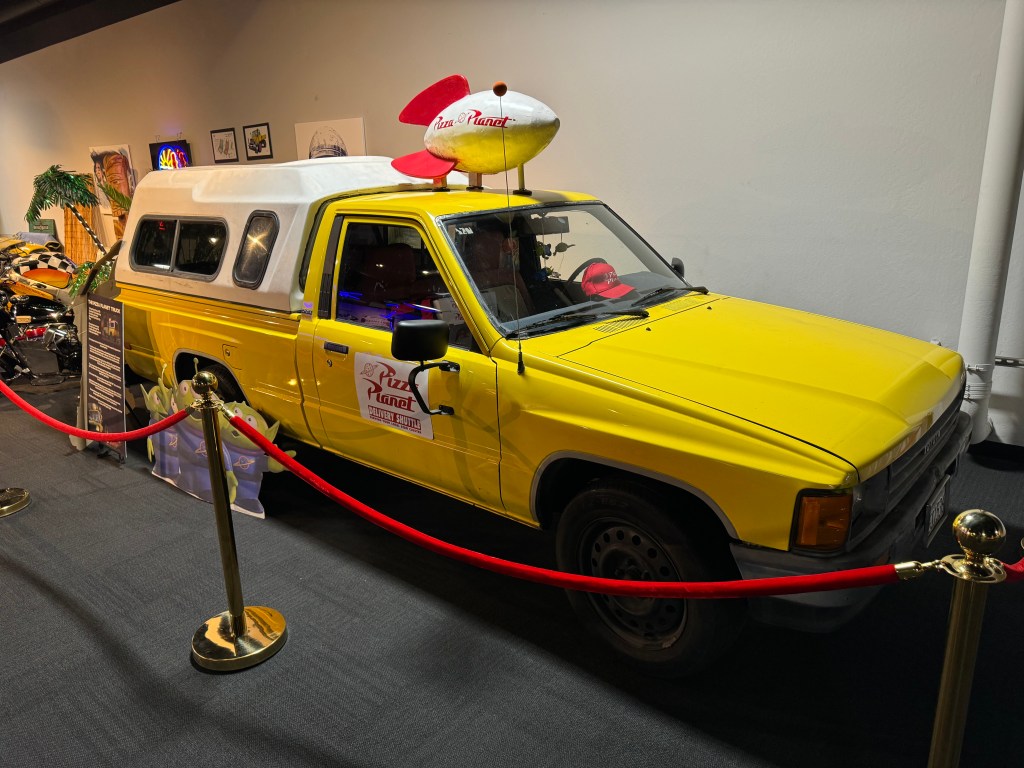
There were two additional sections with rotating car displays. The first was “Cars from the Movies” with some hilarious examples I definitely wasn’t expecting. Some of the highlights were Magnum P.I.’s Ferrari 308, Doc Brown’s Deloren, The Blues Brothers Cop Car, Austin Powers’ Bug, and the Explorer from Jurassic Park. All of the cars were real movie or show cars and not replicas which shouldn’t have been a surprise based on the level of upkeep in the rest of the museum. Being a 90s baby, my favorite by far was the Pizza Planet truck from Toy Story. I can honestly say that I never thought I would ever see one of those. Moving one to the last of the rotating exhibits, this one was another unexpected treat.
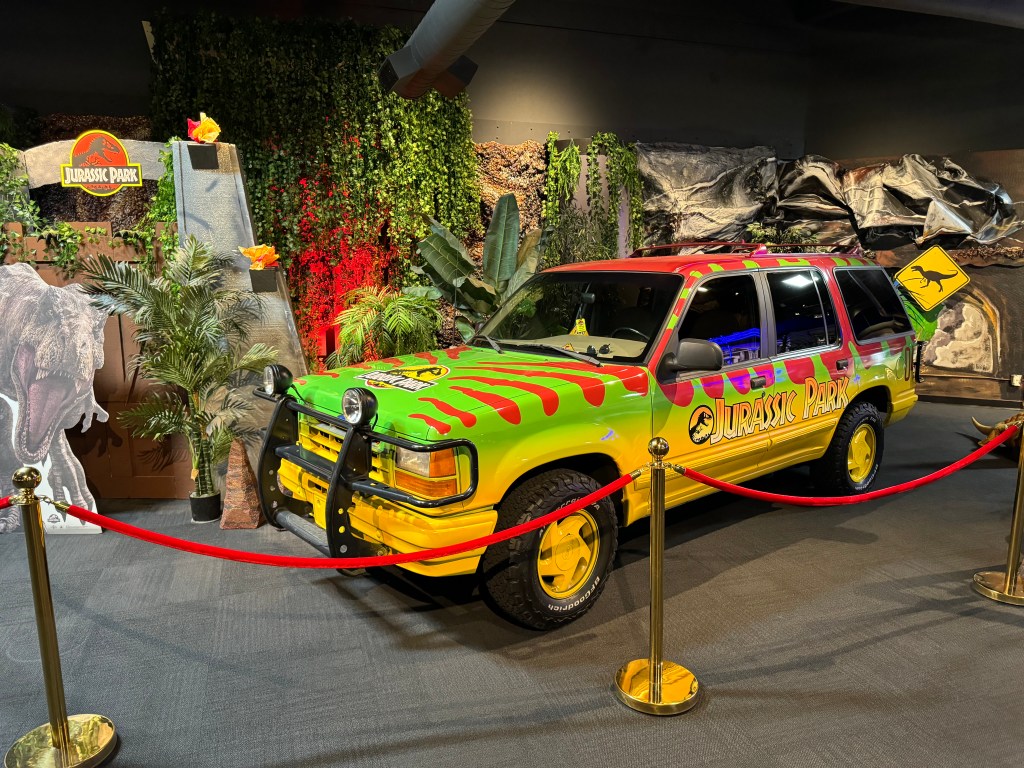
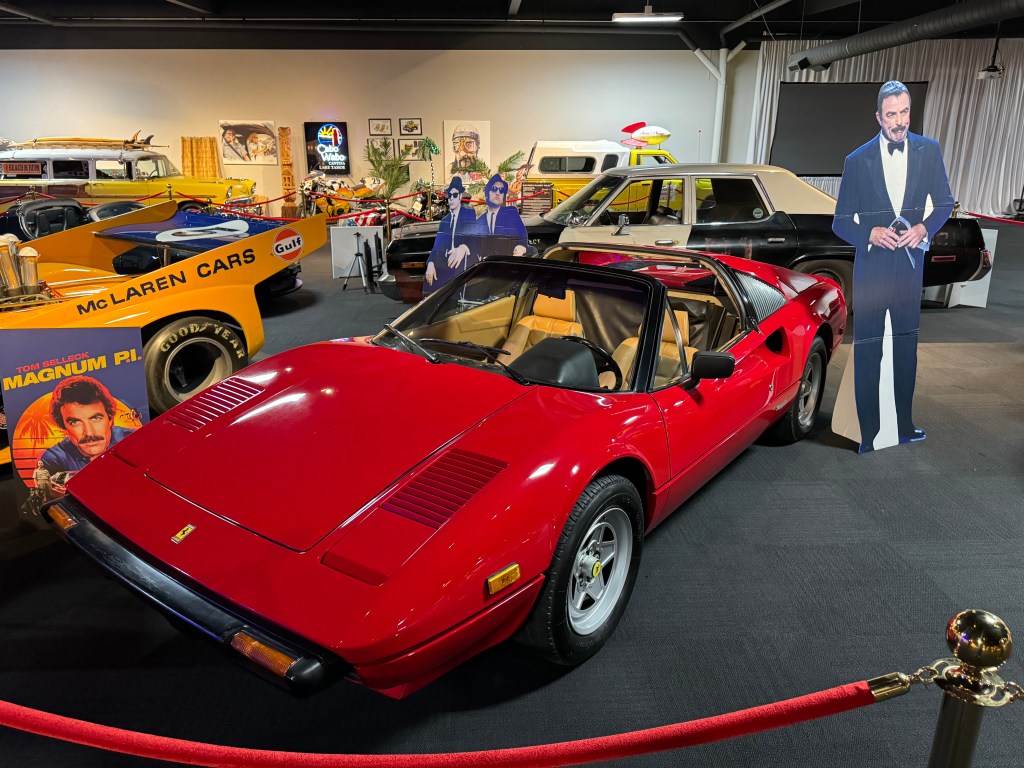
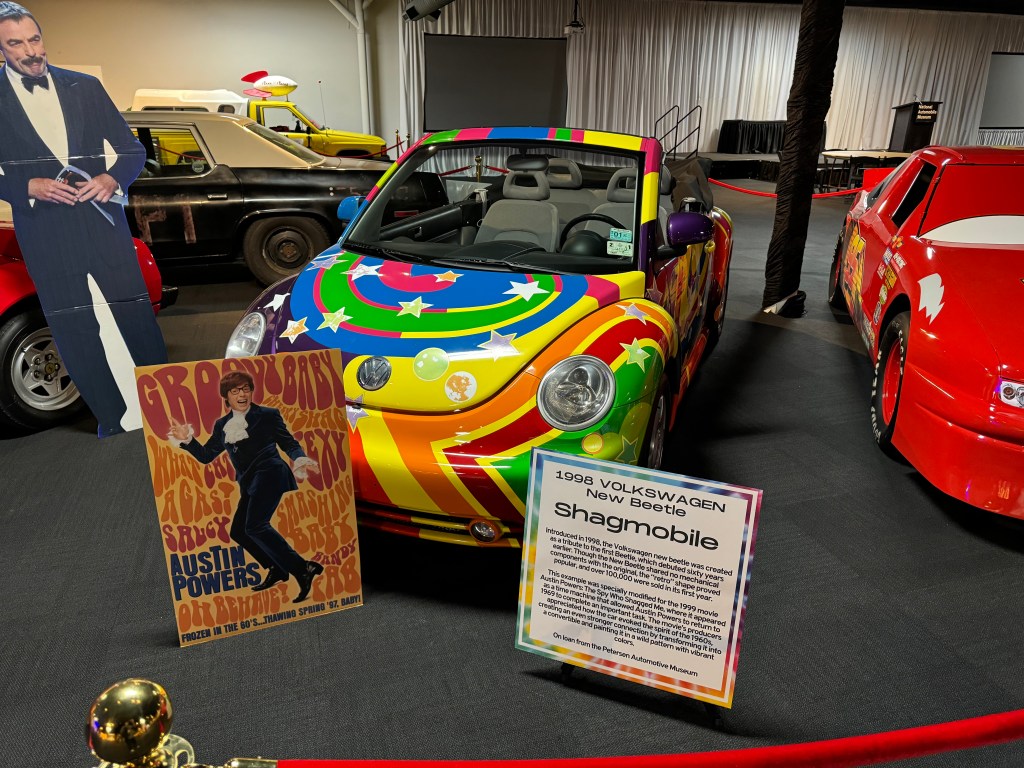
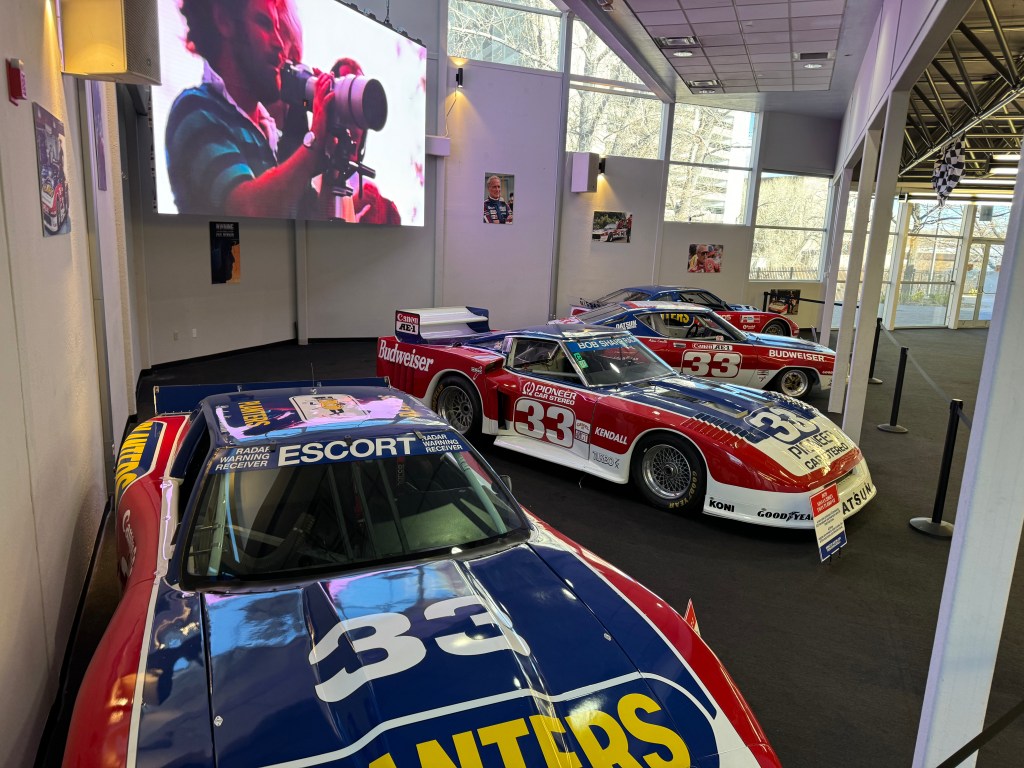
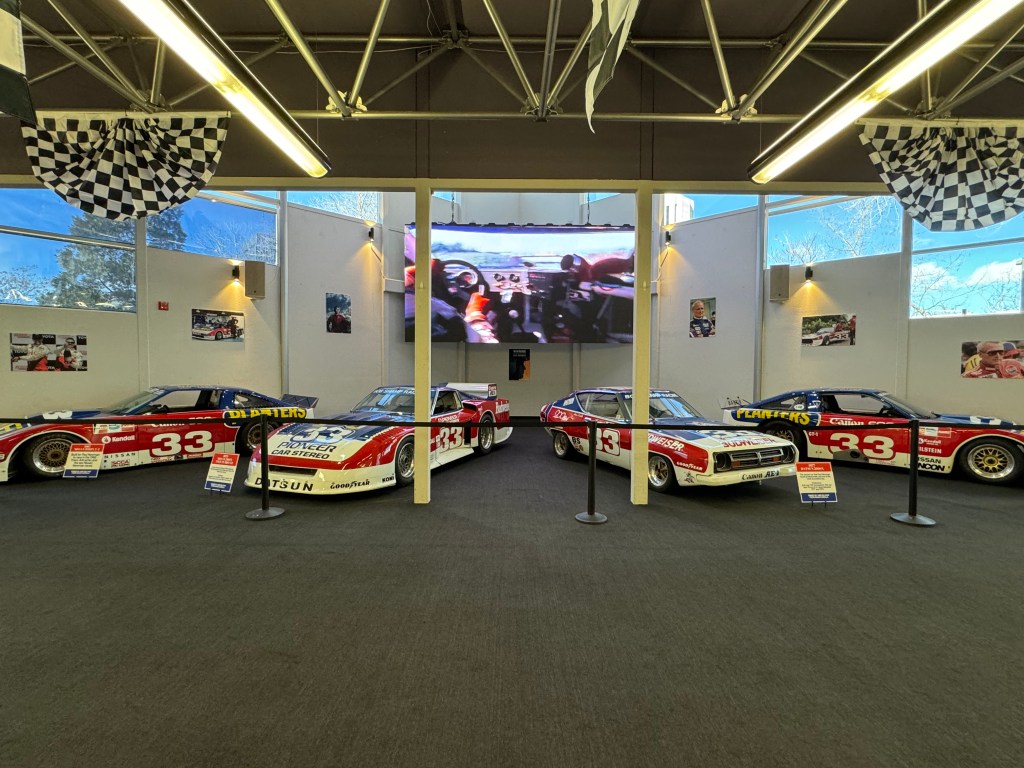
Having opened just days before I walked through was the new Paul Newman exhibit. There were six cars on loan from Adam Carolla’s personal collection. Now I knew Paul Newman was into cars, but I had no idea that he was so into racing. Most of his racing career consisted of various SCCA events driving mostly tricked-out Nissans and Datsuns. There is a very good documentary on his life as a race driver called “Winning: The Racing Life of Paul Newman” that I highly recommend. I watched it after seeing some of his race cars in person. It’s always interesting to hear the story behind the car and in my experience it’s sometimes more exciting than the car. After walking through the Paul Newman exhibit, my tour came to a close. I was hungry for more, but certainly satisfied with the showings.
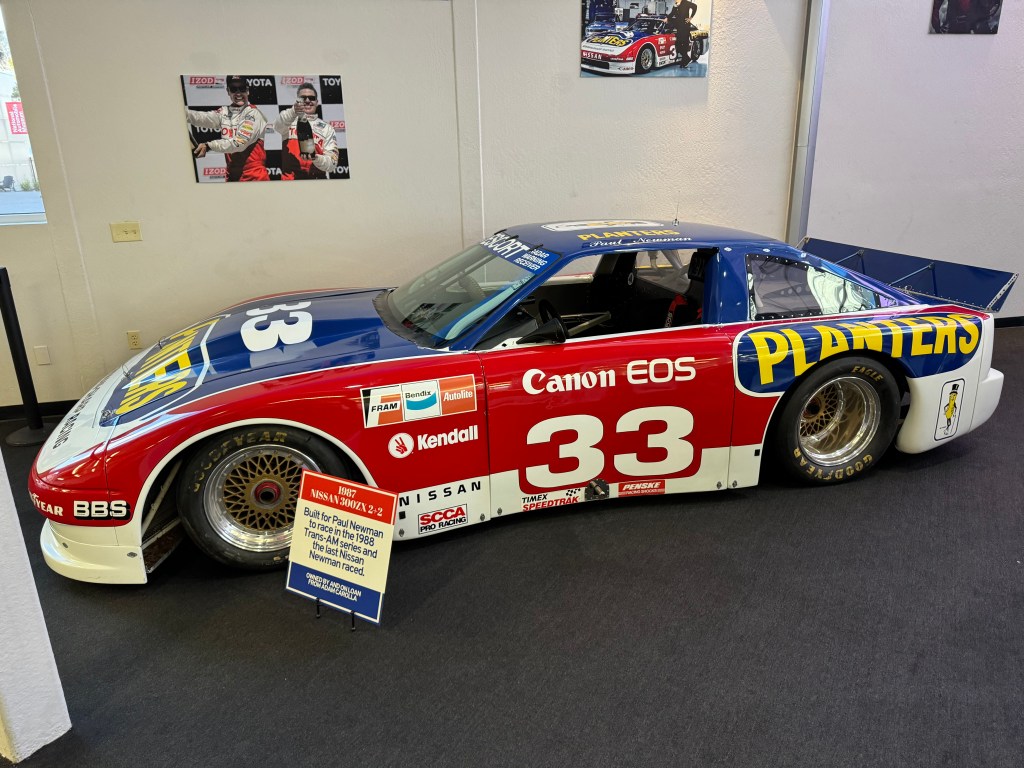

With Harrah passing away in 1978, there aren’t a lot of cars after that era, which on one hand is a bit disappointing, but on the other hand, that’s not really the point of the museum. As I emerged from the National Automobile Museum, I found myself not just a spectator but a time traveler, traversing the milestones of automotive history. The meticulous preservation of the Harrah Car Collection and the thoughtful curation of the museum’s exhibits make it a mecca for automotive enthusiasts and a testament to the enduring allure of the automobile. Having such niche displays and not the most modern selections, I can’t recommend making the trip to Reno just for the museum. However, if you find yourself in town or near Lake Tahoe, it’s definitely a can’t miss attraction. There is literally nowhere else in the world that has this level of preservation or the amount of pre-war automobiles and you’d be remiss to skip it. If I didn’t live here, this would be the perfect pairing during Hot August Nights. If you don’t know what that is, just wait until August as The Late Brake will be out prowling the streets for flame-breathing hot rods. Until then, be sure to support your local automobile culture where you can and keep the enthusiast light shining.
 The Late Brake
Leave a Reply