

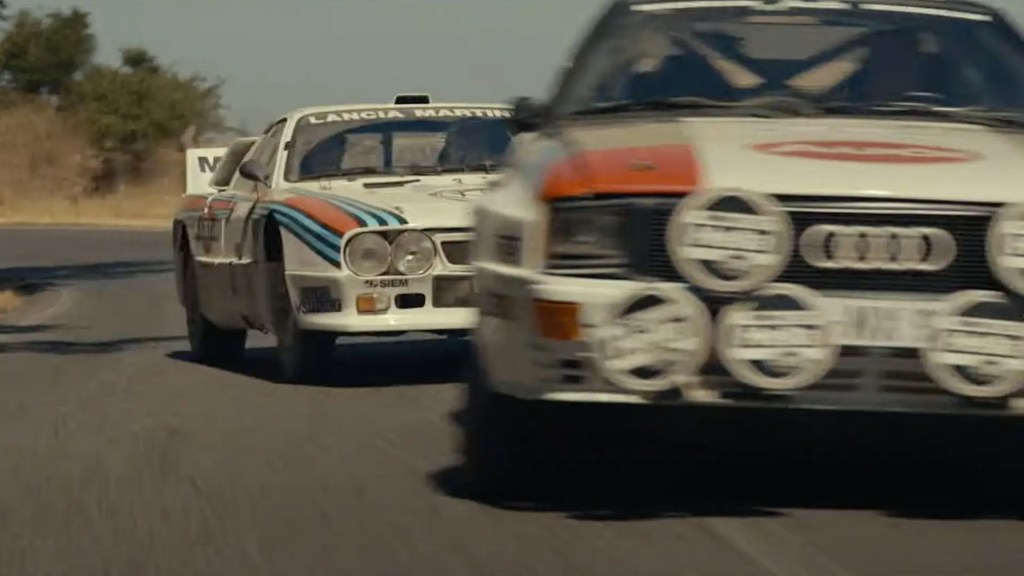
Venturing into the realm of racing cinema, we find ourselves amidst the unfolding drama of “Race For Glory,” a film that promises high-octane action and adrenaline-fueled thrills. However, as the credits roll and the dust settles, it becomes evident that “Race For Glory” falls short of its lofty ambitions, delivering a narrative that feels disjointed and lacking in substance. Join us as we dissect the shortcomings of this cinematic endeavor and explore why it fails to leave a lasting impression in the annals of racing cinema.
At the heart of “Race For Glory” lies a narrative that feels rushed and miscommunicated, as if the filmmakers attempted to cram every detail of the story into a limited runtime. The majority of the film’s focus is placed squarely on the team leader, relegating the actual racing to the background and robbing the audience of the thrills they came to see. Instead of allowing the story to unfold organically, the film feels burdened by unnecessary exposition and forced plot points, leaving viewers feeling unsatisfied and disconnected from the racing.
One of the most glaring flaws of “Race For Glory” lies in its alteration of real-life details, which serves to undermine the authenticity of the narrative and erode the viewer’s trust in the film. From significant changes to key events to outright fabrications, these alterations not only detract from the film’s credibility but also leave audiences questioning the integrity of the storytelling. Rather than enhancing the narrative, these alterations serve only to detract from the overall viewing experience, leaving a sour taste in the mouths of even the most forgiving audiences. It’s one thing to alter events slightly for the purposes of better storytelling, but its another for changing full details that alter the story arc as a whole. It’s especially bad when the altered version is worse than the real story.
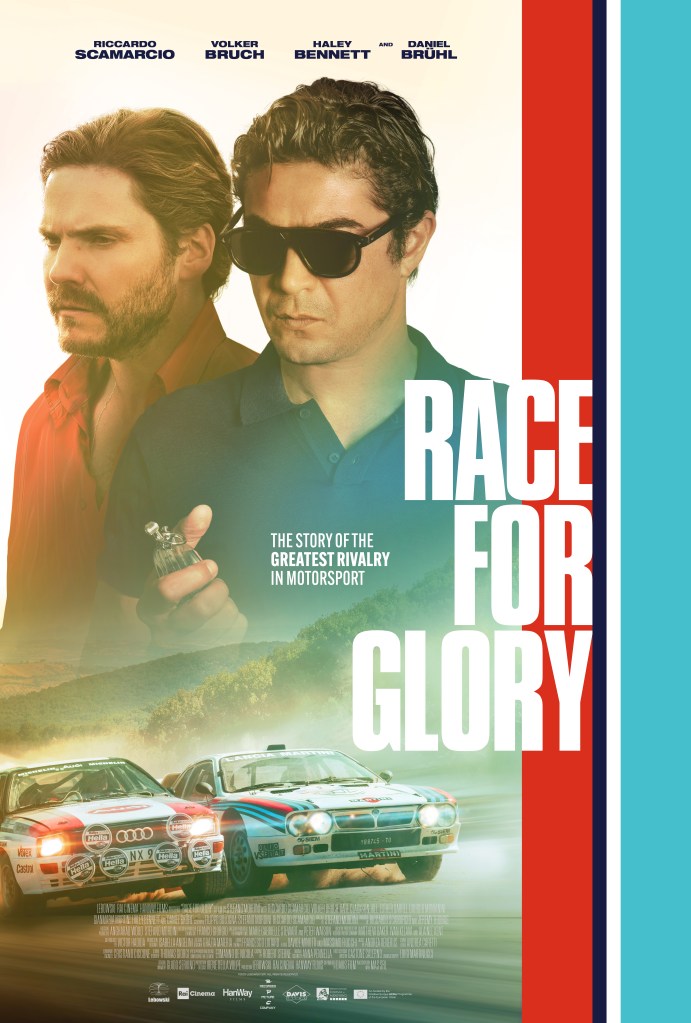
In the pantheon of racing movie classics such as “Ford v. Ferrari” and “Rush,” “Race For Glory” pales in comparison, failing to capture the essence of the sport and the thrill of competition. While its intentions may have been noble, the execution ultimately falls short, leaving audiences yearning for the visceral excitement and emotional depth that defined its predecessors. For those seeking a true racing movie fix, “Race For Glory” is best left on the shelf in favor of cinematic offerings that truly deliver on their promise of adrenaline-fueled drama and heart-pounding action.
In conclusion, “Race For Glory” stands as a cautionary tale of the pitfalls of racing cinema, offering a lackluster narrative and questionable alterations to real-life details that detract from the overall viewing experience. While it may have its moments of excitement, they are few and far between, overshadowed by a rushed storyline and a lack of depth. For those seeking an authentic and engaging racing movie experience, “Race For Glory” is an unfortunate misstep in an otherwise illustrious genre. If you are looking for a significantly better version of this story, I encourage you to watch The Grand Tour’s segment about Audi versus Lancia on Amazon Prime. It is a world of difference and you will be pleasantly entertained while learning about what actually happened.
 The Late Brake
Leave a Reply