

In recent years, we’ve seen an unsettling trend in the automotive world: the takeover of beloved car companies and media outlets by private equity firms. On the surface, this might seem like a good thing. Who wouldn’t want an influx of cash, bigger budgets, and more opportunities? But as we’ve seen with platforms like Car Throttle, Donut Media, and larger companies like Hoonigan, private equity often brings more problems than it solves.At the core of this issue is one simple truth: without owners and leaders as passionate as the original creators, companies lose their way. The heart of what made these platforms special gets diluted, marketing strategies go astray, audiences move on, and what was once a beloved brand becomes a corporate shell of its former self.
Take Donut Media, for example. Once a thriving YouTube channel that engaged a massive audience of car enthusiasts with its funny, informative, and often irreverent content, Donut was known for its strong personalities and entertaining hosts. At its height, the channel had 4-5 hosts who were the faces of the brand—each bringing their own personality, knowledge, and passion to the platform. However, as private equity money came into the picture, creative differences began to surface. Without the original visionaries keeping everything aligned, three of the key hosts left, leaving the channel adrift.
The problem isn’t just that the personalities left—it’s that their departure signaled a deeper issue with the channel’s direction. With private equity in charge, creative decisions were no longer driven by passion for cars or a deep understanding of the audience; they were driven by metrics, profit margins, and corporate oversight. The result? The channel’s content suffered, the audience noticed, and many viewers have moved on. What was once a platform made by car people for car people became another generic outlet trying too hard to appeal to the masses while losing the authenticity that had built its loyal following. This point is even more proven but the fact that these host that have left have blossomed highly successful channels that are heavily based on the “old donut” types of content. Its not complicated; Take away what people want and then they will look elsewhere.
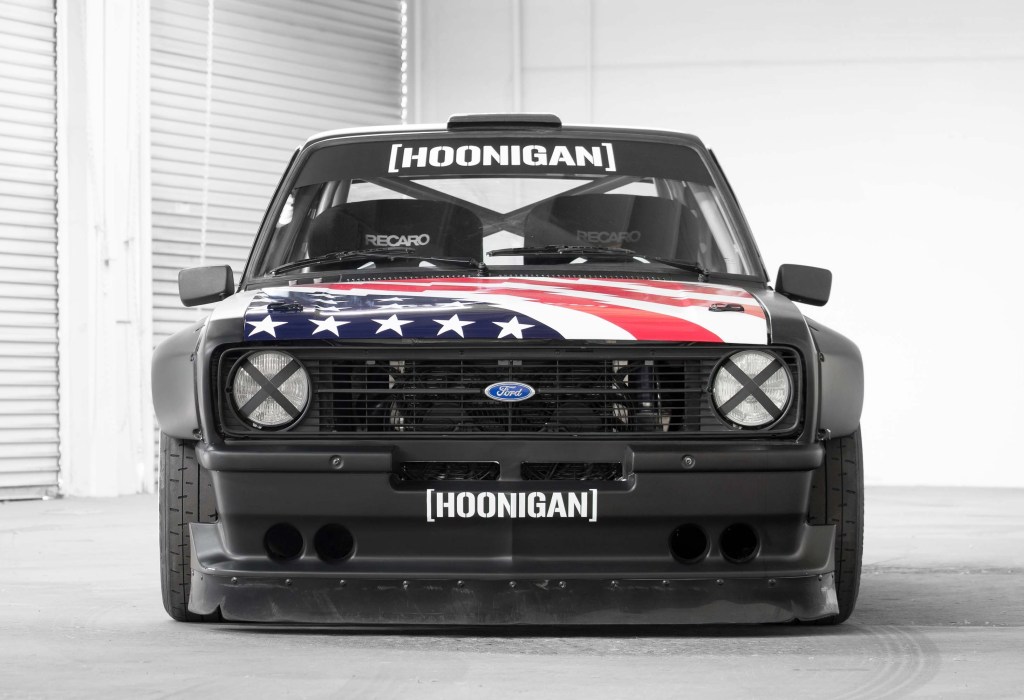
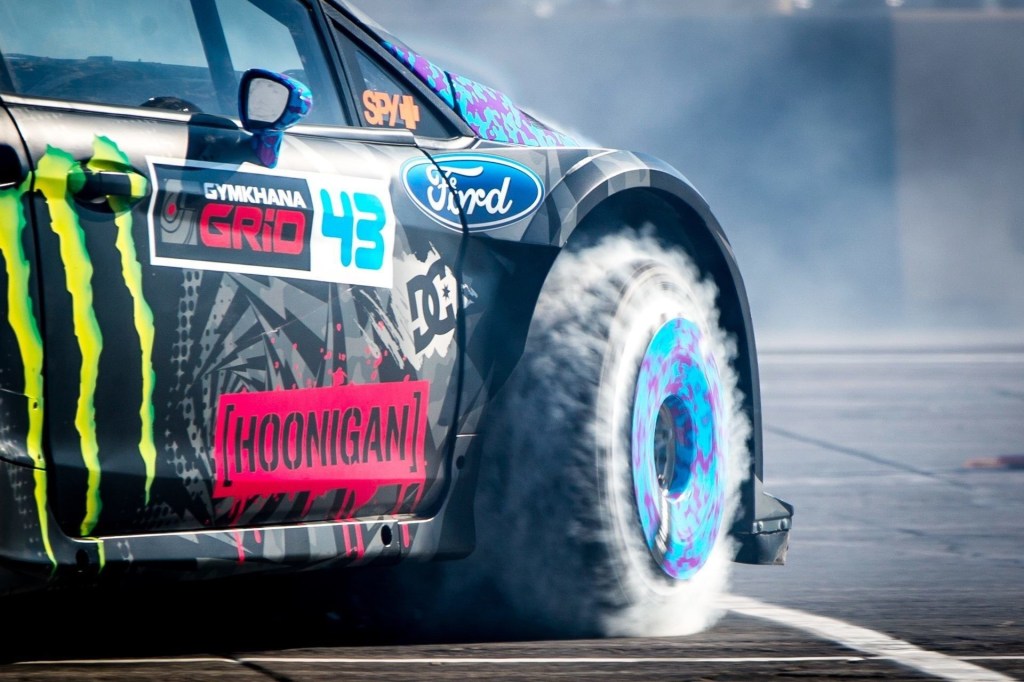
Hoonigan is another example of a beloved brand that has felt the impact of private equity influence. Known for pushing the boundaries of motorsport content, car culture, and lifestyle branding, Hoonigan was at its peak when it was an authentic, raw representation of the automotive world. Their famous Gymkhana series, burnyard events, and merch weren’t just commercial successes—they were culturally significant moments for the car community.
However, as private equity firms took more control, things started to change. The focus shifted from producing content for the core audience to maximizing profitability and scaling the brand in ways that didn’t always align with the interests of their original fanbase. The corporate oversight and increased focus on profit diluted the very thing that made Hoonigan special in the first place: its authenticity and its fearless dedication to car culture. Again, many of their original content creators are building their own brands doing basically what they were doing at Hoonigan but on their own terms. ALL of them are succeeding where Hoonigan failed. I can’t imagine moving into a company and axing the very thing that is making them successful, but it happened. While their recent bankruptcy is hardly old Hoonigan’s fault and 100% due to Wheel Pros mismanaging their other companies after rebranding as Hoonigan, so you don’t have to look far to see their failures.
The story is similar over at Car Throttle. Once a scrappy, fun, and relatable outlet for car enthusiasts, Car Throttle was built on the idea of connecting car people through entertaining and informative content. But as private equity came into play, the same old narrative repeated itself—creative control slipped away from the passionate teams that had built the platform, and it became clear that the company’s new direction didn’t align with the original mission. Audiences, once loyal and engaged, began to drift away as they no longer felt connected to the content. Car Throttle is exceptionally egregious as they managed to push away content creators that would leave to form Auto Alex, All the Gear, Top Dead Center as well as Matt and Tommy P1. Its just astonishing how much talent was based at that company and were pushed away thinking they were not needed to be successful.
What’s happening to these platforms isn’t just unfortunate—it’s a warning to others in the space. As private equity firms swoop in with the promise of bigger budgets and greater reach, they often fail to recognize that car enthusiast companies aren’t like other businesses. These brands are built on passion, community, and shared experience, and when that’s taken away, what remains is nothing more than a hollow shell. The central issue with private equity’s involvement in automotive brands and media outlets is a lack of understanding. When the decision-makers at the top don’t share the passion for cars, when they don’t understand the nuanced interests of their audience, the decisions they make become detached from the core identity of the brand. They prioritize revenue generation and scaling at the expense of the elements that made the brand unique in the first place.
What often follows is misaligned marketing strategies that fail to resonate with the original audience. Instead of focusing on delivering authentic content or experiences, private equity-driven companies lean into broad, impersonal campaigns designed to cast the widest net. The result is a diluted product that loses the very essence of what made it appealing in the first place. In the case of automotive companies, this disconnect is especially dangerous. Car enthusiasts are notoriously discerning—this is a community built on passion and expertise, where authenticity and real knowledge matter. Once you lose that authenticity, the audience moves on. That’s exactly what we’ve seen with the departures of key personalities from platforms like Donut Media—the heart of the channel leaves, and the fans follow, or at the very least are significantly less inclined to watch.
For companies in the automotive space, the lure of private equity can be tempting. An increased budget can mean better production values, more staff, and the opportunity to scale a business quickly. But before jumping into a private equity deal, it’s important to recognize that the potential downsides are significant. The problem isn’t just about money—it’s about who’s controlling the vision of the company. Corporate oversight often dilutes the product, taking away what made the company special in the first place. Private equity firms are typically focused on short-term gains and return on investment, not the long-term sustainability of a brand built on passion and community engagement. For brands in the automotive world—whether they’re media outlets, lifestyle companies, or even aftermarket manufacturers—success comes from maintaining that authentic connection with the community. Once that’s lost, the very reason people engage with the brand begins to disappear, leaving only a shallow, impersonal version of what once was.
As we’ve seen with Donut Media, Hoonigan, and Car Throttle, private equity can come at a steep cost. While an influx of money might sound like the perfect solution, it’s important to remember that without passionate leadership and an understanding of the audience, no amount of cash can save a brand. For future entrepreneurs in the automotive world, the lesson is clear: if you’re building something special, don’t let corporate oversight water it down. Passion, community, and authenticity will always be more valuable in the long run than quick cash from a private equity firm. Protect what makes your brand unique—because once it’s gone, it’s almost impossible to get back.
 The Late Brake
Leave a Reply