

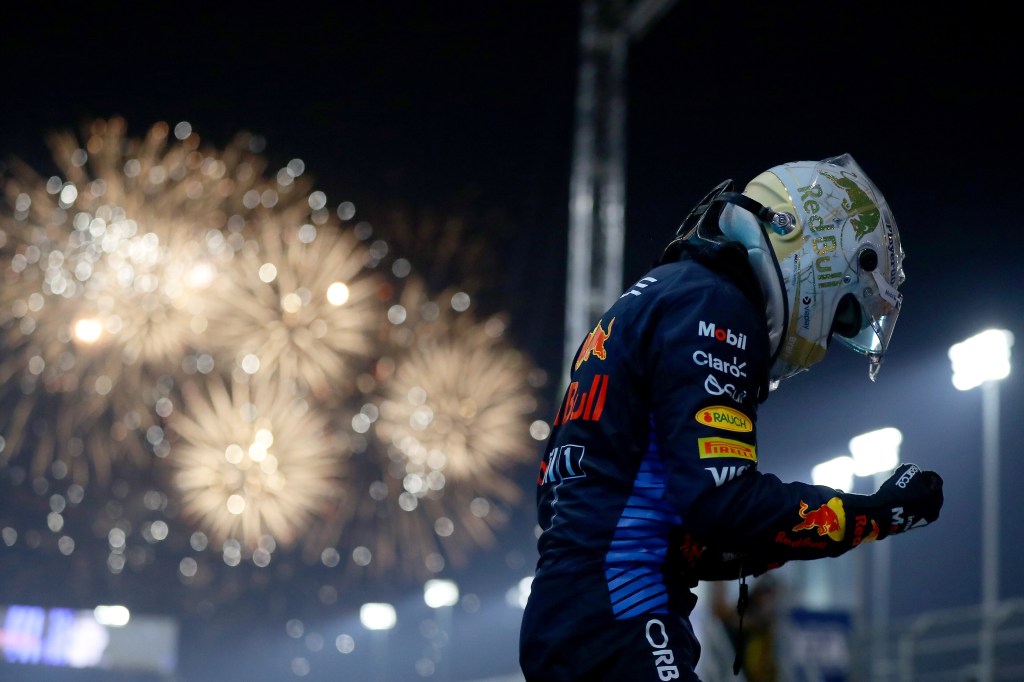
The 2024 Formula 1 season will go down as one of the most unpredictable and exciting years in F1 history. From an intense battle at the front that saw seven different race winners to shocking developments off the track, the sport was shaken to its core. A new constructors’ champion emerged, driver changes created seismic shifts in the paddock, and yet, at the center of it all, Max Verstappen secured his fourth title in a season filled with unexpected twists.
Uncertainty became the defining theme, with every race weekend offering something new, something dramatic, and something that kept fans engaged in a way Formula 1 hadn’t seen in years. This uncertainty has been the missing piece over the past five to ten years. Previous seasons had their moments, but none like this. With the sport becoming somewhat predictable outside of the occasional rain-affected race, fans had grown accustomed to knowing what would happen on any given weekend. The element of surprise fundamentally changed my viewing experience this year, keeping me glued to my screen. There’s been almost too much to cover, but let’s do our best.
A True Fight for the Championship
What made 2024 so thrilling wasn’t just the fight at the top but the depth of competition across the entire grid. For the first time in what felt like an eternity, Red Bull was not in total control of the championship from start to finish. Ferrari, McLaren, and Mercedes all had moments of brilliance, shaking up the order and preventing any one team from running away with the season. While Red Bull looked set to dominate early on, their rivals tightened their grip and put up a battle Red Bull won’t soon forget.
This resurgence of competition led to multiple race winners, something the sport had been lacking in recent years. The battle for supremacy was relentless, with shifting momentum and unpredictable results making each race weekend impossible to call.
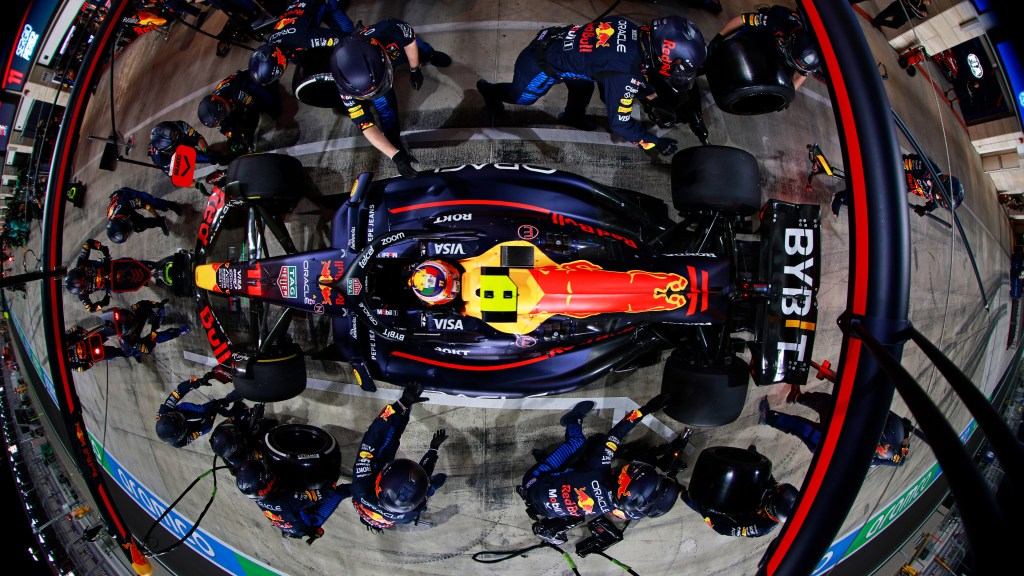
The season’s defining moment came when Red Bull, despite its early dominance, found itself locked in a fight for the constructors’ championship. A season-long battle with Ferrari and McLaren led to a dramatic finale that saw a new team take home the title for the first time since the hybrid era began. (The last non-Mercedes or Red Bull team to win was in 2013.) Verstappen’s personal dominance remained intact, securing his fourth consecutive title, but his path to victory was anything but straightforward. He was forced to battle harder than ever, proving once again why he remains the driver to beat in Formula 1.
Off-Track Chaos in the Driver Market
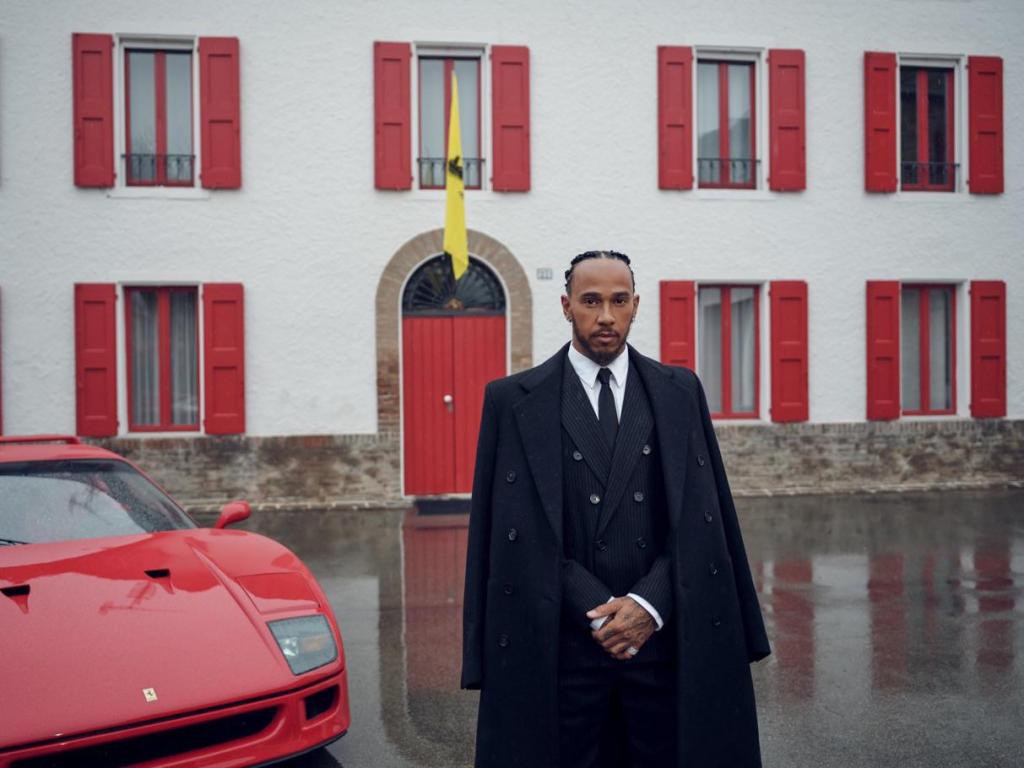
Beyond the racing itself, the off-track drama was just as captivating. The driver market exploded into chaos, reshaping the future of the grid. The biggest bombshell came when Lewis Hamilton announced his move to Ferrari, a decision that sent shockwaves through the sport and left Mercedes scrambling for a replacement. For years, Hamilton and Mercedes had been inseparable, their partnership yielding an unprecedented era of dominance. His departure marked the end of an era and the beginning of one of the most exciting new storylines in modern F1.
Elsewhere, Red Bull’s second seat continued to be a source of controversy, with mid-season speculation and rumors of driver changes becoming a never-ending saga. Sergio Perez’s inconsistency kept the rumor mill alive, with Red Bull juggling options between Daniel Ricciardo, Liam Lawson, Yuki Tsunoda, or even an external hire.
Other teams weren’t immune to shakeups either, as mid-tier and backmarker teams cycled through drivers looking for the best talent to carry them forward. The dominoes kept falling as top teams locked in their lineups. As one team signed a driver, the remaining options for others grew smaller. Even Verstappen was rumored to leave Red Bull, with speculation still swirling about a reunion with Adrian Newey at Aston Martin. The 2024 season will be remembered as one of the most turbulent in terms of driver movement, setting the stage for an entirely new grid in 2025.
Midfield Madness and the Best Racing in Years
The unpredictability of the season extended beyond the championship fight and into the midfield, where some of the best racing took place. Williams found itself in its strongest position in over a decade, Haas made crucial improvements that finally translated into points, and Alpine’s season was a mixture of surprising highs and frustrating lows (mostly lows, if we’re honest). The level of competition in the midfield was higher than it had been in years, with teams swapping positions almost every race weekend.
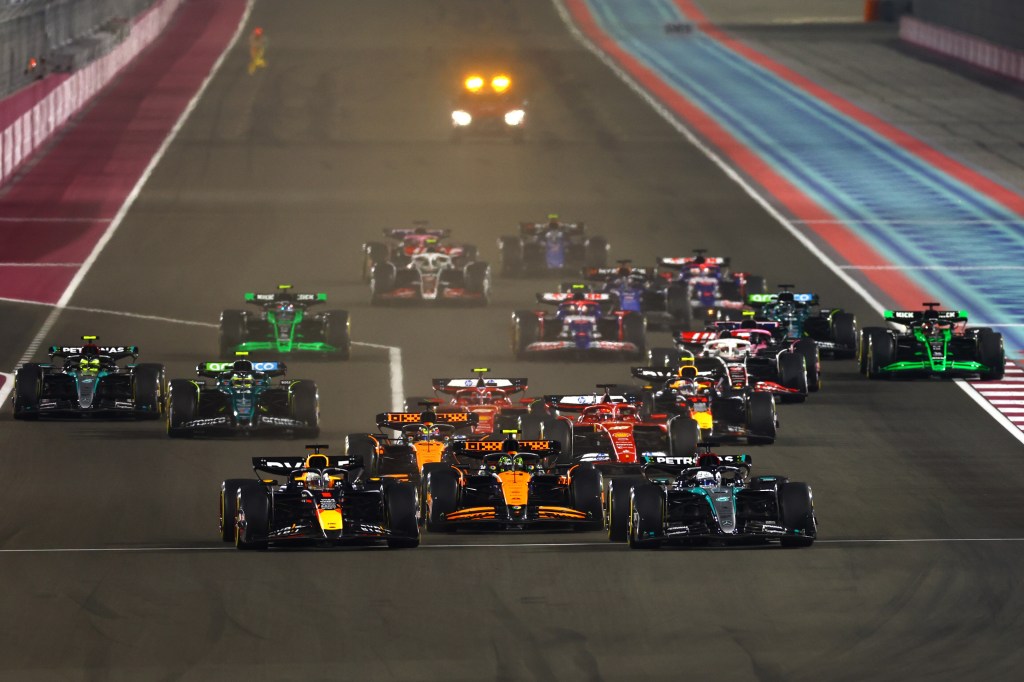
Even among the rookies, there were standout performances that suggested a bright future for the next generation of F1 talent, particularly Franco Colapinto and Ollie Bearman. Some of the most exciting battles weren’t happening at the front of the grid but in the thick of the midfield, where races were decided by razor-thin margins and drivers had to prove themselves week after week. The closer the cars, the better the racing—and in 2024, the field was tighter than ever (if you exclude Max from the data).
The Gap Has Finally Closed, For Now…
One of the most defining aspects of 2024 was how close the competition had become. Races were not solely decided by dominant performances but by strategic brilliance, driver skill, and the ever-changing conditions that made each Grand Prix a test of adaptability. The dynamic nature of the championship meant that teams had to constantly evolve, and those who failed to do so found themselves slipping down the order. Even Red Bull, once untouchable, had to fight harder than ever to stay in contention, proving that the gap at the front had well and truly closed.
As some teams plateaued in performance, others flourished, making the final grids ever-changing. I found myself watching practice sessions more than ever before, eager for any insight into who would emerge victorious each weekend.
What made this season so exciting was that the outcome was never guaranteed. Teams brought constant upgrades, drivers extracted the most from their cars, and strategy became more critical than ever. Yet, not every strategy or upgrade worked out, often ruining a team’s race weekend. This added yet another variable to an already chaotic season. This wasn’t just another year of predictability—this was Formula 1 at its best, where anything could happen, and often did.
Looking Ahead to 2025: A New Era Begins
As the dust settles on a season full of unexpected outcomes, attention now turns to what lies ahead. Next week, teams will unveil their 2025 cars, signaling the start of another chapter in Formula 1’s ever-evolving story. With As the dust settles on a season full of unexpected outcomes, attention now turns to what lies ahead. Next week, teams will unveil their 2025 cars, signaling the start of another chapter in Formula 1’s ever-evolving story. With major driver moves already set in motion and teams eager to capitalize on the momentum from this season, the sport is primed for another year of unpredictability.
Until then, here’s a quick recap of the insanity that unfolded in 2024:
- Max Verstappen secured his fourth Drivers’ Title
- McLaren claimed its first Constructors’ Championship in 26 years
- Lewis Hamilton left Mercedes for Ferrari
- Seven different drivers won a race
- Logan Sargeant lost his seat to Franco Colapinto
- Oscar Piastri secured his first Grand Prix victory
- Ollie Bearman became the youngest Ferrari F1 driver, scoring points on debut
- Guenther Steiner departed from Haas
- Red Bull lost key staff, including Adrian Newey and Jonathan Wheatley
- Charles Leclerc broke the “Monaco curse” with a dominant home victory
- Daniel Ricciardo announced a mid-season retirement
- Esteban Ocon was dropped before the final race at Alpine
- Sainz signed with Williams after Hamilton’s Ferrari move
- GM/Cadillac was confirmed as F1’s 11th team for the future
- Red Bull replaced Sergio Perez with Liam Lawson
And this is just the surface of what 2024 delivered. If 2024 taught us anything, it’s that nothing in Formula 1 is guaranteed. If 2024 taught us anything, it’s that nothing in Formula 1 is guaranteed. The dominance of a single team can be challenged, the transfer market can flip the sport on its head, and the future of F1 remains as uncertain as ever. Looking forward, the teams’ car launches are just days away and the anticipation is already building for another thrilling year of racing. The 2025 season is shaping up to be another year of firsts. I’m hoping for Lewis’ first Ferrari win or even a shocking Daniel Ricciardo unretirement announcement for the new American team. Either would be incredible; fingers crossed for both. Let’s see what the next season holds.
 The Late Brake
Leave a Reply