

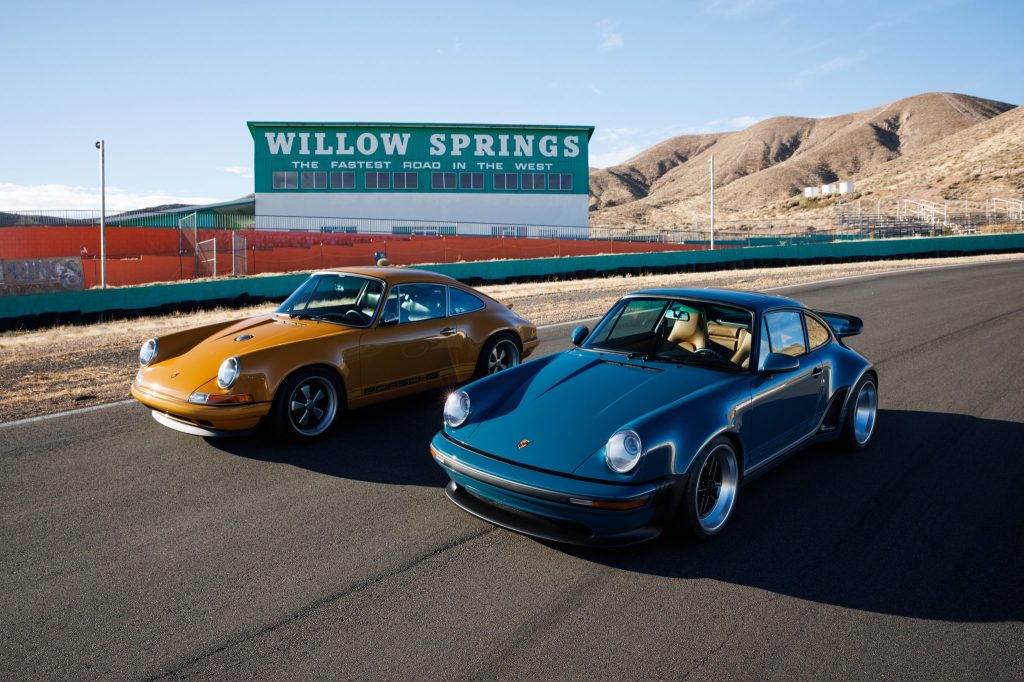
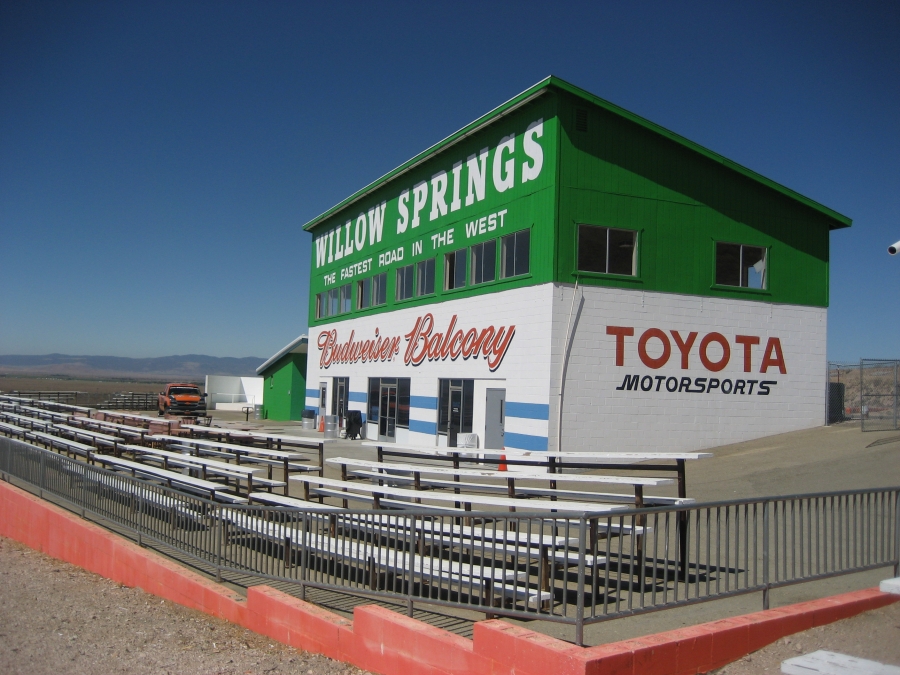
There’s a familiar knot in the gut that enthusiasts get when they hear a beloved racetrack is changing hands. The words “redevelopment” and “investment” get thrown around and suddenly visions of bulldozers replacing berms with condos dance in our heads. So when the news broke that Willow Springs International Raceway had been sold, the initial reaction was understandably cautious, even more so when reports of eviction were swirling around the internet. But this time, it wasn’t a faceless developer behind the wheel looking for condo real estate property. It was Singer.
Yes, that Singer. The same company that lovingly reimagines air-cooled 911s to within an inch of perfection. Now they’ve turned their sights to Willow Springs with the goal of restoring and evolving one of America’s most iconic circuits. And frankly, that feels like exactly what we need right now. Let’s dig into what this means for car culture, why Singer owning a raceway might be the most enthusiast-friendly move in years, and how it fits into a larger conversation about preserving spaces where the art of driving still matters.
Willow Springs Gets a Second Life
In a joint announcement between Singer and Cross Harbor Capital Partners, the acquisition of Willow Springs wasn’t just billed as a real estate deal—it was framed as a mission. The new ownership has ambitious plans to reimagine the track with an eye toward the future while fiercely protecting its roots. Think: infrastructure upgrades, enhanced spectator areas, driver experience programs, and modern amenities all wrapped in the charm and grit that’s made Willow Springs a legend since 1953.
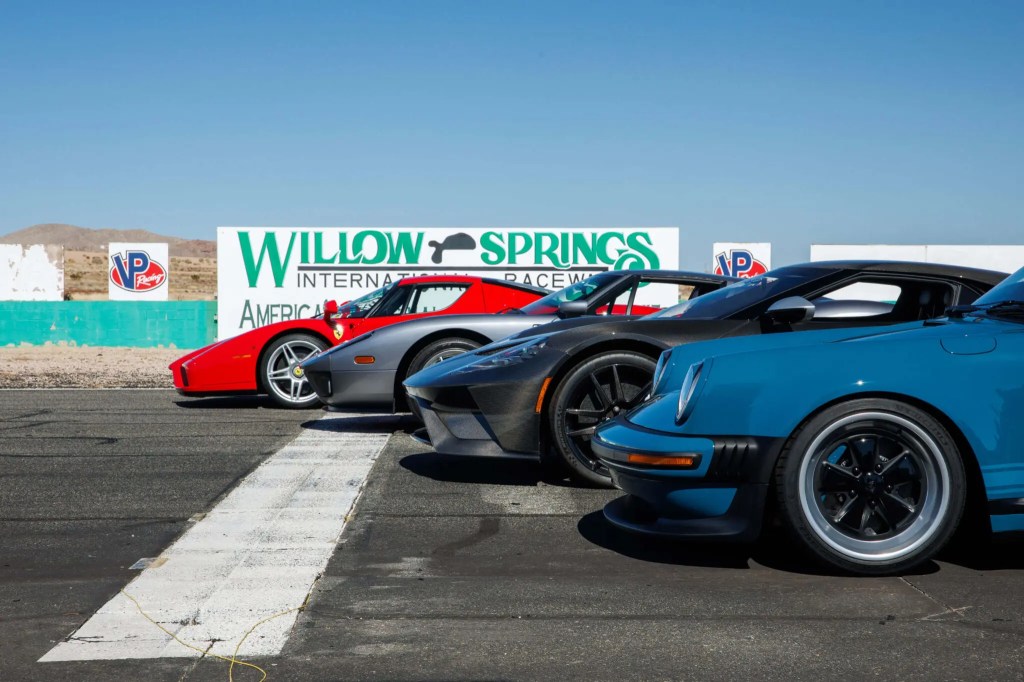
Importantly, the announcement emphasized that Willow Springs would remain an open-access facility. It won’t be transformed into a members-only club or locked behind paywalls like The Thermal Club. That detail is crucial. It signals a commitment not just to the racing elite, but to the weekend warriors, grassroots builders, and fans who consider Willow their proving ground.
If you’ve ever braved the brutal sun and wind to watch time attack battles or vintage cars scream throughout the circuit, you know how special this place is. Singer and Cross Harbor are betting that this kind of analog magic is still worth investing in. And I think they’re right.
What Makes Singer So Special
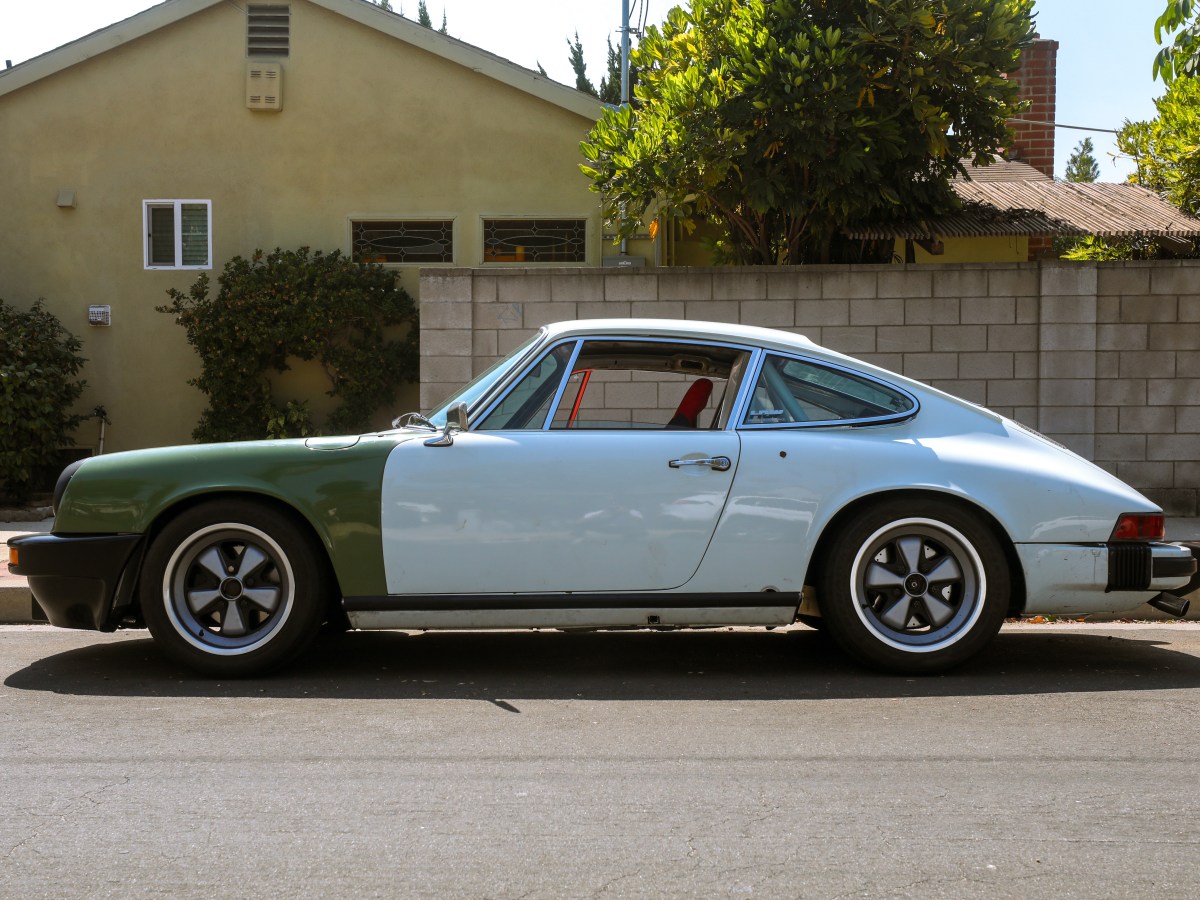
For the uninitiated, Singer Vehicle Design is the Southern California outfit known for reimagining classic Porsche 911s with obsessive detail and reverence. Their builds, often starting life as 964s but other models are welcome, are not restorations. They’re symphonies. Each one blends modern engineering with timeless styling, preserving the soul of the air-cooled era while delivering performance that makes even modern GT3s sweat. Singer is the pinnacle, the benchmark for all restomod manufacturers out there.
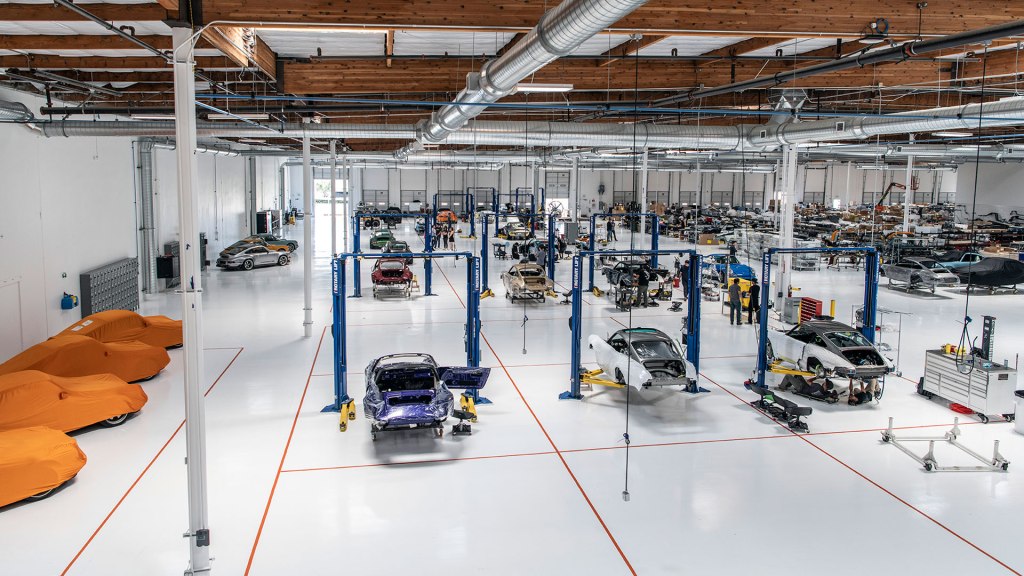
But Singer isn’t just about making gorgeous cars. They’re about preserving a philosophy. In an automotive world increasingly driven by screens and sensors, Singer is still celebrating the feel of a mechanical shifter, the weight of a properly tuned steering rack, and the way a flat-six sings when you bury the throttle. That’s why the Willow Springs news hits differently. If any company understands the cultural importance of analog driving, it’s Singer. Their entire brand is built on the idea that these machines—and the places we use them—deserve to be cherished.
The fact that Singer now owns a raceway isn’t just cool. It’s poetic.
A Track at a Crossroads
Still, this isn’t just a heartwarming story about an enthusiast-friendly company buying a famous track. There’s real urgency behind it. For years, Willow Springs has faced an uncertain future. As reported in The Drive, the facility had been on the brink of being sold to private equity firms with unclear intentions. While some investors saw value in racing, others floated ideas that felt more corporate than car culture.
Sound familiar? It should. Just last year, Laguna Seca was in a similar battle. As we covered in our post “Preserving Laguna Seca,” there were fears that a lack of investment, noise complaints, and local politics might sideline one of motorsport’s sacred sites. But a passionate push from local groups, racers, and fans helped steer it toward a future that respects its past. This time, the push is coming from a very prominent brand in the car culture space, not just from nostalgic fans of racing.
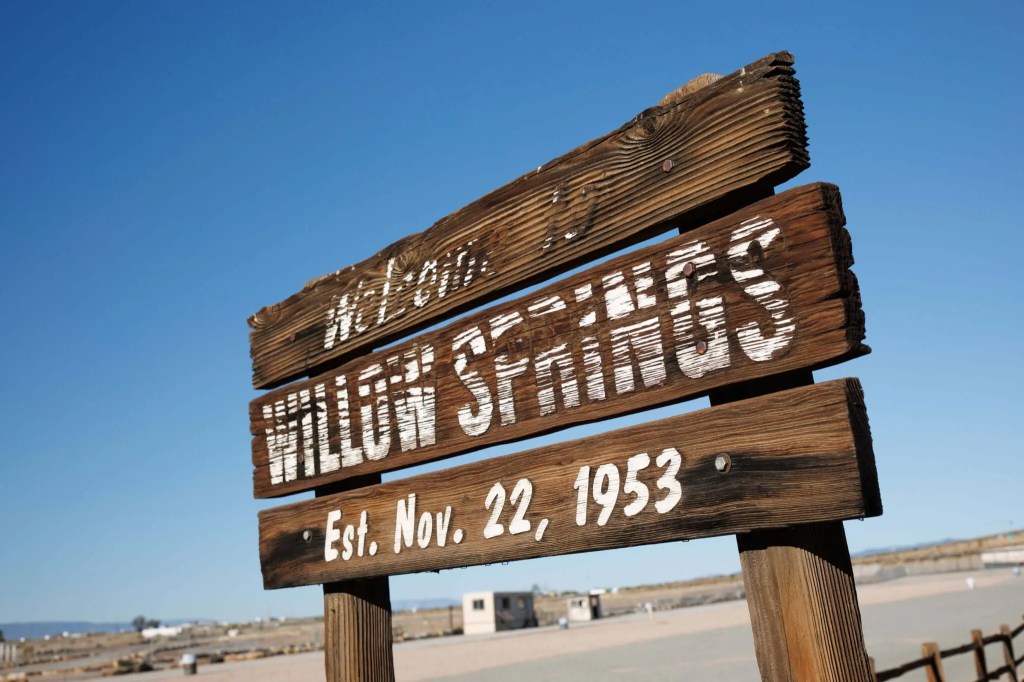
That’s what makes the Willow Springs acquisition so significant. We’ve seen too many tracks shuttered or sanitized in the name of “progress.” Too many historic circuits turned into real estate opportunities or neutered by noise ordinances. Looking at you Irwindale Speedway. This deal feels like a pushback. A declaration that some places matter not because of what they can become, but because of what they already are.
A Cultural Shift in the Making
Beyond the feel-good vibes, there’s a deeper cultural shift at play here. Singer buying Willow Springs is a sign that we’re entering a new era. One where enthusiasts are not alone in preserving the past, but actively shaping the future with the support and backing of larger companies with the same goals.
We’re talking about a company that could’ve easily stayed in its lane, building six-figure art pieces for collectors. Instead, they’re pouring energy (and serious money) into a public track. That’s a bold move, and it speaks to a larger responsibility that some brands are starting to recognize: if you profit from car culture, you should help sustain it.
It also opens the door to exciting possibilities. Imagine driver development programs where aspiring racers get seat time in purpose-built vintage machines. Picture car shows, test days, and media events that feel like celebrations rather than spectacles. A place where people who love driving can gather, learn, compete, and connect. That kind of space is increasingly rare. And it’s increasingly important for car enthusiasts to have a place or the culture will die.
Why This Matters for All of Us
Even if you’ve never been to Willow Springs, this story matters. Because it sets a precedent. It shows that the people and companies who truly understand the value of driving are willing to invest in the infrastructure that keeps that passion alive.
And make no mistake: race tracks are infrastructure. They are laboratories, classrooms, and temples for a subculture that’s been increasingly pushed to the margins. Whether it’s emissions regulations, EV transitions, or land development pressures, enthusiasts have spent the last decade feeling like they’re on the defensive.
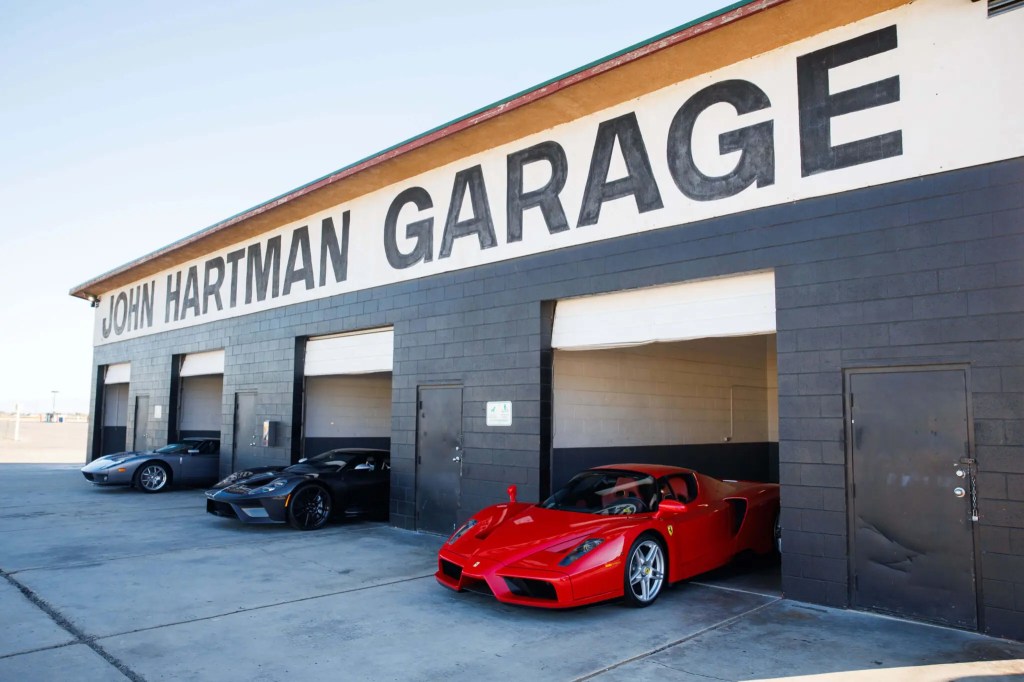
But maybe we’re turning a corner. Maybe this is how we start reclaiming some space. Not through nostalgia alone, but through action. Through partnerships that blend reverence with vision. Through decisions that prove the analog world still has something important to say.
Looking Ahead with Hope
Of course, there’s still a lot we don’t know. Timelines, renovation specifics, and long-term goals are still coming into focus. But the early signals are promising. And if Singer’s track record is anything to go by (pun fully intended), we’re in for something special.
It’s easy to be cynical these days. Easy to write off stories like this as too little, too late. But I don’t buy that. I think this is how big things start: with one company saying, “This place matters, and we’re going to make sure it lasts.”
So here’s to the reimagining of Willow Springs. To old tracks getting new life. To the idea that the best driving experiences aren’t just found in new cars, but in the spaces that let them breathe. And if Singer’s involved, you can bet those spaces will be built to the same standard as their cars.
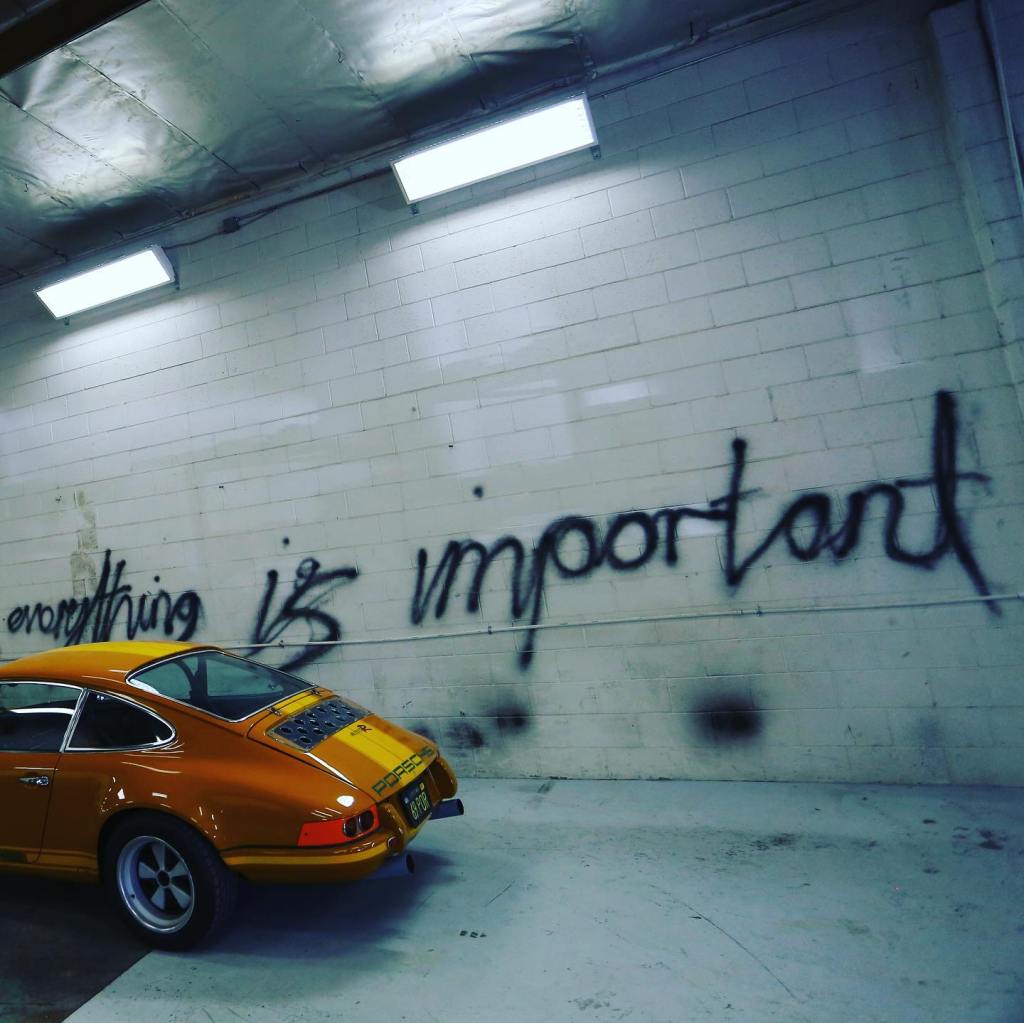
All Singer needs to do is follow it’s own advice: “Everything is important.”

 The Late Brake
Leave a Reply