


For decades, car enthusiasts in the United States have longed for the forbidden fruit—the sleek silhouettes and roaring powertrains of European cars that never made it stateside. Maybe it was the compact aggression of the Renault Clio V6, the rally-bred pedigree of a Lancia Delta HF Integrale, or the understated performance of a BMW E30 320is. These automotive treasures remained out of reach, tucked behind regulatory barriers and marketing logistics. But that’s changing.
Thanks to the 25-year import rule, every year, more and more of these once-unattainable machines are becoming legal to import and drive in the US. At the forefront of this movement is D1 Euro Imports, a Portland-based shop that’s doing more than just bringing cool cars across the ocean; they’re building a bridge between past and future, between overseas legends and local streets.
If you’ve been dreaming of importing a car, or you’re just curious how this trend could transform car culture as we know it, this post is for you.
What is D1 Euro Imports?
Located in Oregon City, Oregon, D1 Euro Imports is a full-service import shop that specializes in bringing rare European cars into the United States. Started by Luke Bovenzi and Yaslynn Wooten, the small shop isn’t quite what you think. It’s not some faceless massive enterprise with 100s of cars coming through weekly. D1 is a small curated collection of cars, specifically chosen because they were deemed “cool”. With the garage holding about 10 cars, some are being stored for customers, but most are recent imports getting prepped for sale.

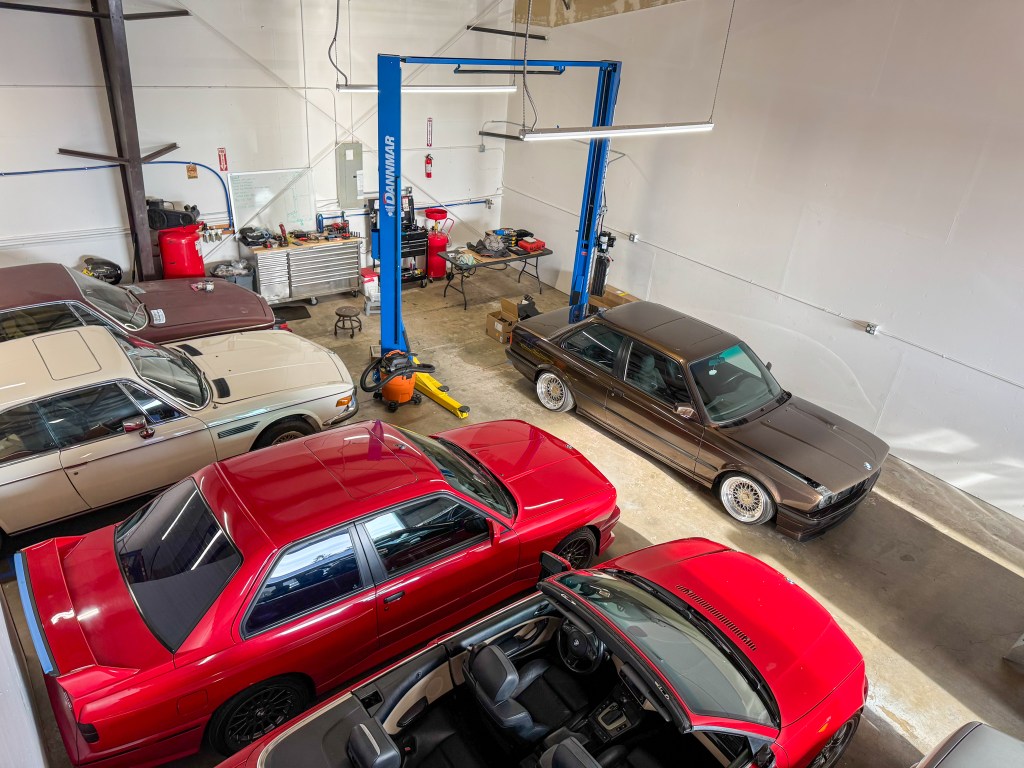
Surprisingly, running D1 isn’t their full-time job. All of their work is done after hours from their day jobs as more of a hobby, just for the love of it. That doesn’t mean they are winging it, though. As die-hard enthusiasts themselves, I felt safer than going through a random sketchy dealer, you know the type. The duo puts their heart and souls into this venture, and they focus on each car as if they are their own. The detail and care they put into each project is astonishing. Only a crazy person or a real enthusiast would run a shop like this as a side project.
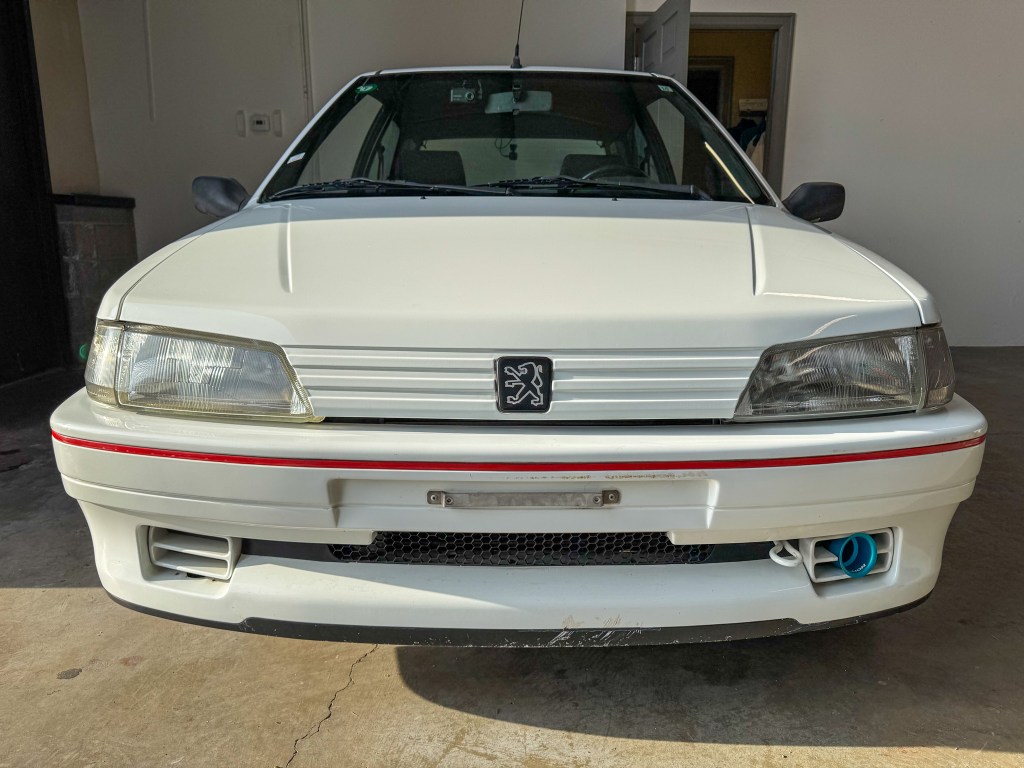
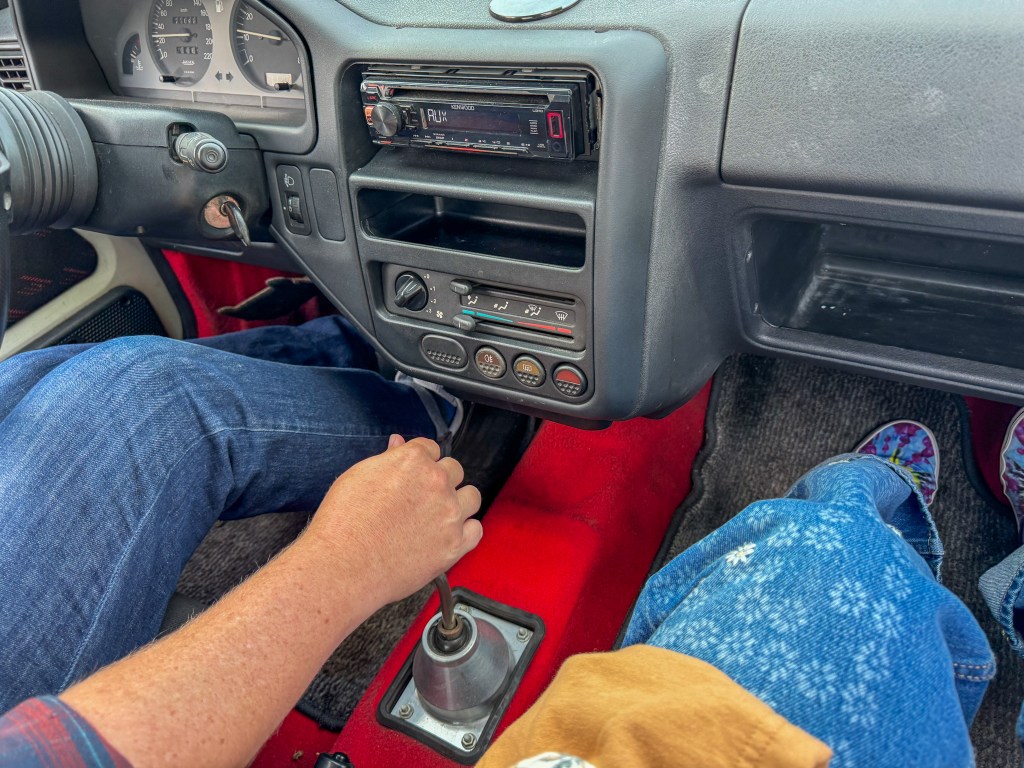
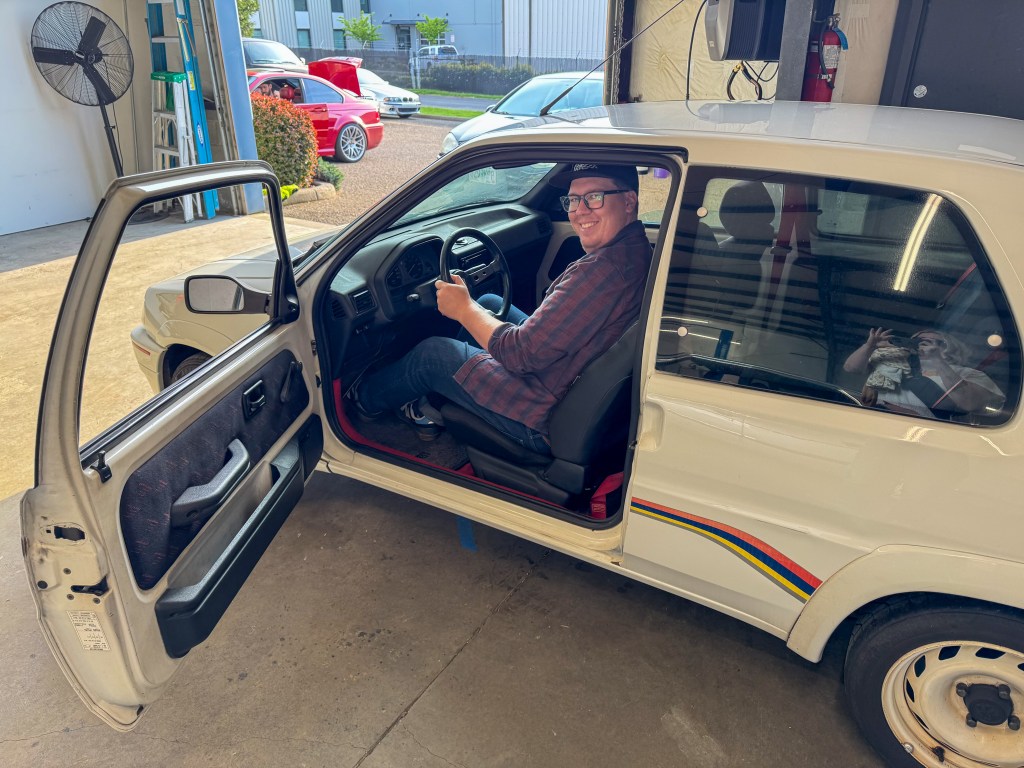
Luke opened his doors to me and spent almost 2 hours chatting with me about their operation. He even offered me the opportunity to drive his 1995 Peugeot 106 Rallye that was coming up for sale soon. Which was awesome. But D1 isn’t stopping at importing cars. Luke is currently planning for some larger-scale car meets in the future, to showcase some of the imports he has processed. It’s this type of care for car culture that keeps the spirit alive. Luke is “our kind of people”.
What D1 Euro Imports Actually Does (And Why It’s Not Just Paperwork)
Let’s get this out of the way: importing a car isn’t as easy as clicking “buy now” on a European auction site and waiting for it to show up in your driveway. There’s international shipping, customs paperwork, federal regulations, EPA and DOT compliance, and the very real possibility of buying a car sight unseen that turns out to be a rusty nightmare.
This is where D1 Euro Imports comes in, and why they’re so important.
Their focus is on legally importing vehicles that are now eligible under the 25-year rule, but they don’t just stop at compliance. D1 Euro sources clean cars from trusted exporters, handles all of the shipping and documentation, and even offers post-arrival services like maintenance, repairs, customization, and even nationwide shipping support. They also help import cars on your behalf if you find something abroad or help locate a model if you are hunting for something specific. All you have to do is shoot them an email, and they’ll have a solution for you.
Stepping into their shop is like walking through a living museum of cars that never made it to U.S. soil. While it was very BMW heavy (not complaining) while I was there, the shop is normally full of a range of cars. Poor timing on my part meant there were around 5 cars in transit to the shop so I just missed out. But normally it’s a sea of rare BMW touring models, air-cooled Porsches, and impeccable French hatchbacks you’ve only seen on TopGear reruns. Their attention to detail is sharp, and their inventory isn’t just curated, it’s chosen with purpose. Anything of interest or rarity is on the list for them. Below is a shot of some of their current offerings as of when this was posted.
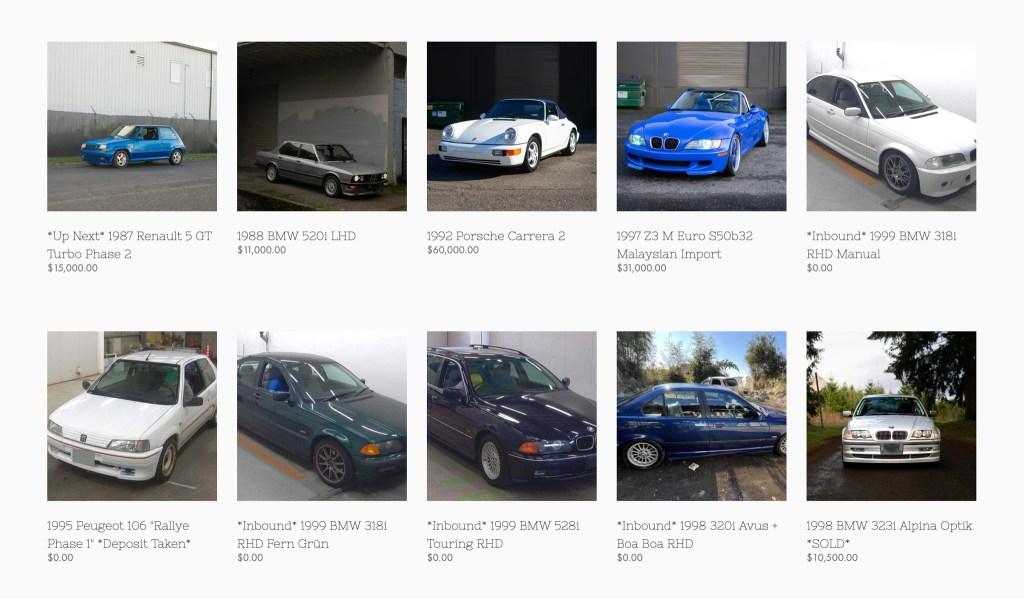
D1 doesn’t deal in crazy high-mileage junkers or throwaway imports, unless that’s what you are looking for. Every car is vetted, evaluated, and treated like it belongs in the hands of someone who genuinely appreciates it. It’s a refreshing approach in a world where the gray-market scene has often been treated like the wild west. Luke even puts on at least 100 miles for each car personally to deem it ready for sale. It’s not your typical rinse and repeat operation. There is genuine love and care for each car they import.
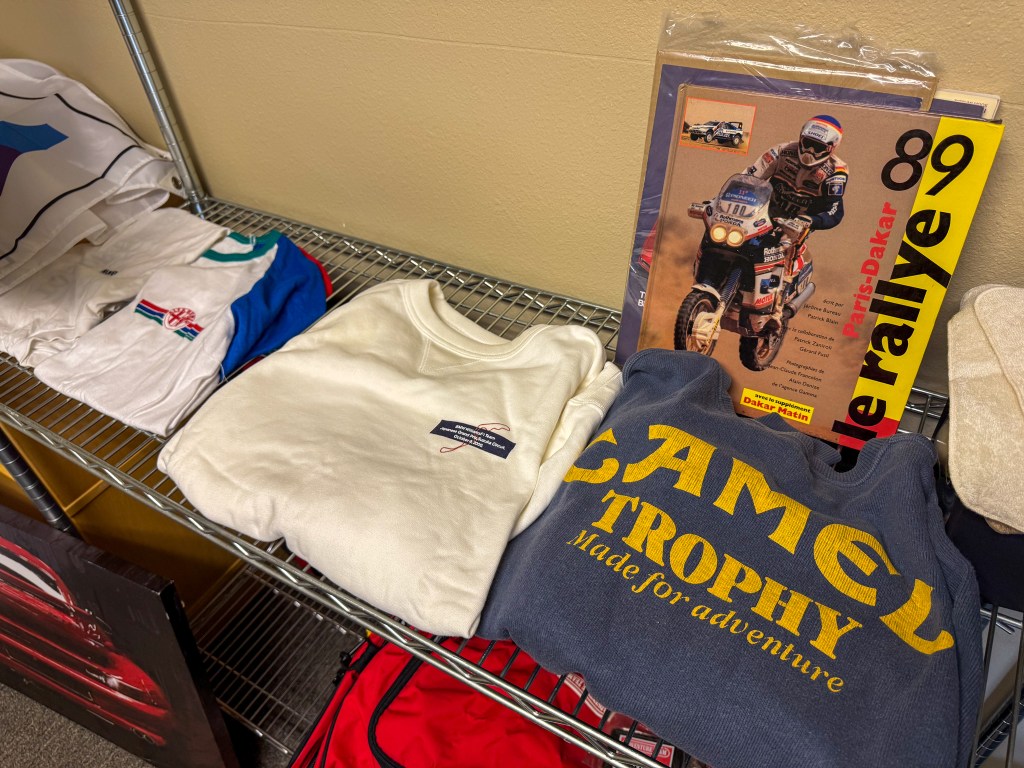
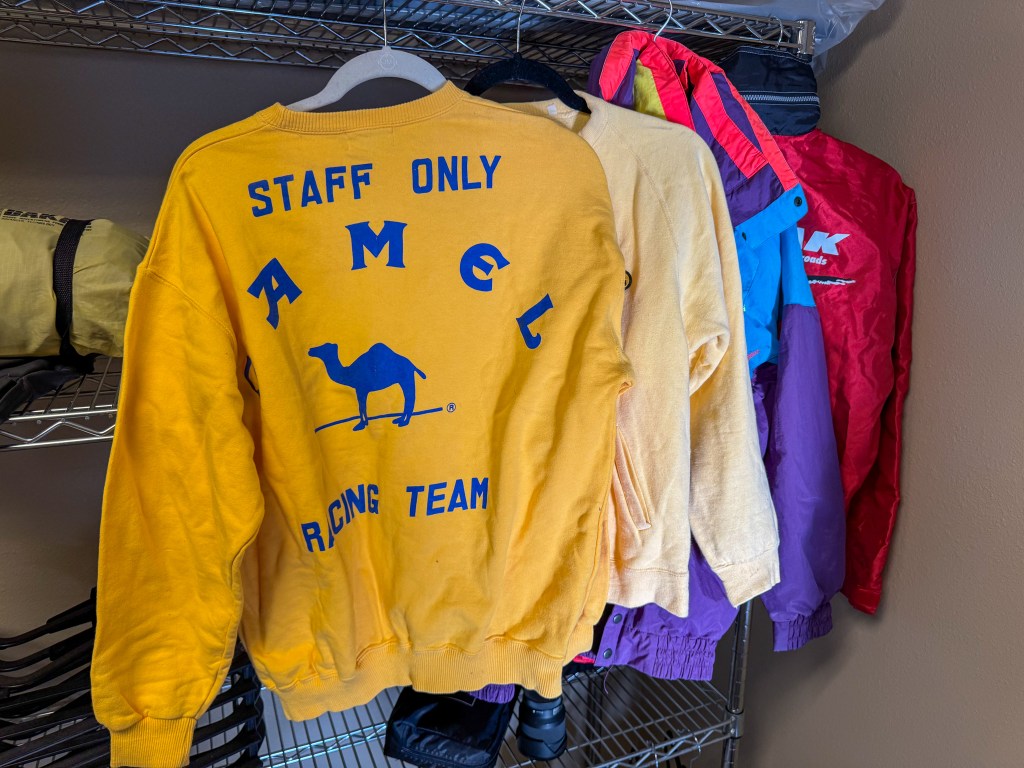
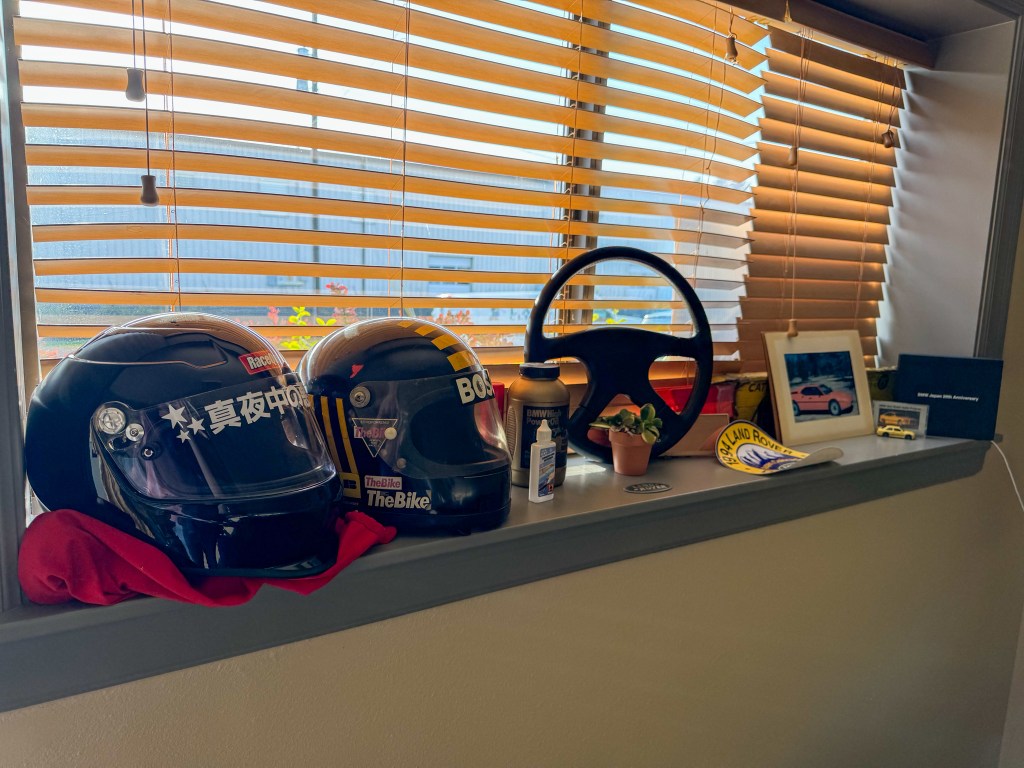
Additionally, D1 imports various retro European car-themed merchandise. From posters to race suits and everything in between. Luke mentioned that he has a network of people across Europe and Japan on a never-ending pursuit for relevant merch to send to him. He has a back room full of hoodies, jackets, shirts, posters even watches that are all Euro-car themed. From E28 M5 watches to full-length Camel Trophy race suits, they have anything you can thing of and probably a lot of what you didn’t. I highly encourage a look at his merch side of the business as it never disappoints.
Why Import at All? Here’s the Case for the Cars We Never Got
If you’re wondering why someone would go through all this effort, you probably haven’t driven a turbocharged Fiat Coupé through a twisty backroad or parked a Euro-spec E30 Touring at a local Cars and Coffee.
The U.S. car market, especially in the ‘80s, ‘90s, and early 2000s, was a filtered version of what the rest of Europe enjoyed. Due to safety regulations, market demand, and brand strategy, we missed out on hundreds of unique models that shaped the driving experience across the Atlantic.
Here’s what makes them special:
Performance Variants We Never Got: Think about the Renault Clio Williams, the BMW M535i, or the Peugeot 205 GTI. These cars were lighter, faster, and more raw than their American counterparts, if they even had any.
Diesel Wagons and Manual Sedans: While America chased SUVs and automatics, Europe stayed loyal to practical, driver-focused vehicles. A turbo diesel 5-speed Mercedes-Benz 300TD is a different flavor entirely.
Heritage and Design: Cars like the Fiat Panda 4×4 or Citroën BX aren’t just transportation, they’re cultural icons. Driving one is like tapping into a different timeline of automotive evolution.
The truth is, imported cars offer something that most modern vehicles don’t: personality. You get the quirks. The oddball interior layouts. The design decisions made for different roads and lifestyles. And for many enthusiasts, that’s the appeal—it’s not about horsepower or 0-60 times. It’s about having something authentic, uncommon, and undeniably yours.
The Future of Car Culture: Why Imports Could Reshape Everything
Let’s look ahead for a second. The import wave isn’t just a passing trend; it’s a direct response to the growing homogenization of the automotive industry. As new cars become increasingly tech-heavy, auto-piloted, and cookie-cutter, the desire for analog, tactile driving experiences only grows stronger every day.
Younger enthusiasts, many of whom never got to grow up around these foreign legends, are now old enough to buy them and are looking for something different. And thanks to shops like D1 Euro Imports, they don’t have to rely on sketchy auctions or expensive brokers to do it. They can walk into a space where the cars are real and the paperwork is actually manageable.
More importantly, as these imports become more visible on American roads, they start to redefine what “car culture” looks like. The Cars and Coffee crowd is no longer just vintage Mustangs and late-model M3s. It’s a blend. A Peugeot next to a Porsche. A Citroën CX sharing space with a C4 Corvette.
And this cultural cross-pollination? It’s good for everyone.
- It brings new perspectives to car shows.
- It broadens the idea of what a “cool car” is.
- It encourages preservation, restoration, and appreciation of foreign-market classics.
- It makes older cars more relevant to younger drivers who want something different.
We’re on the cusp of a renaissance for ‘80s, ‘90s, and early 2000s imports. Once inaccessible vehicles are now taking center stage in garages, meetups, and even track days. And the more we support shops like D1 Euro, the bigger this movement becomes. So go on and support the places that keep the culture alive by getting yourself a Euro import. Who knows, maybe The Late Brake will get one day. Or maybe we already have…


 The Late Brake
Leave a Reply