

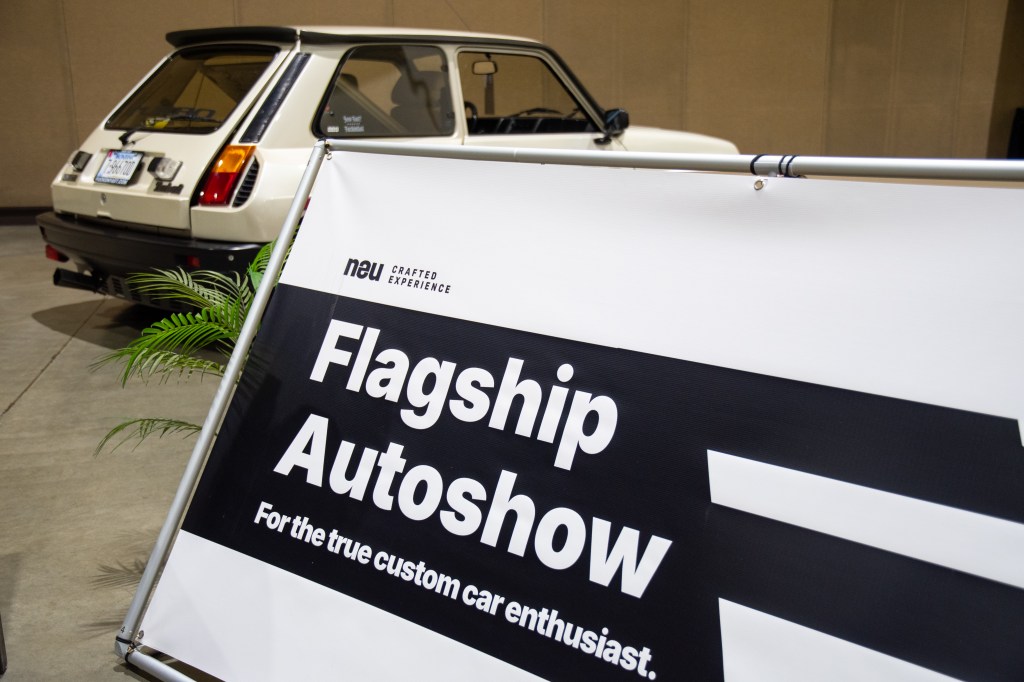
A few days ago, I found myself back in a familiar place, walking rows of cars, a camera in one pocket and a Red Bull in the other. But this time was different. I wasn’t just attending another car show. I had been invited as part of the media team at Flagship Autoshow 25 in Reno.
Flagship is a relatively new event held in Reno, NV with the 2025 edition being their 3rd event ever. Hosted by NEU, the show is a curated celebration of automotive creativity, community, and culture. Self described as a car show “For the true custom car enthusiast”, It’s part car show, part art exhibit, and part love letter to the enthusiasts keeping this whole thing alive. You don’t expect to find something of their caliber like this in Reno, Nevada, but that’s exactly what made it hit so hard. It was proof that car culture doesn’t need a massive coastal zip code to be electric.
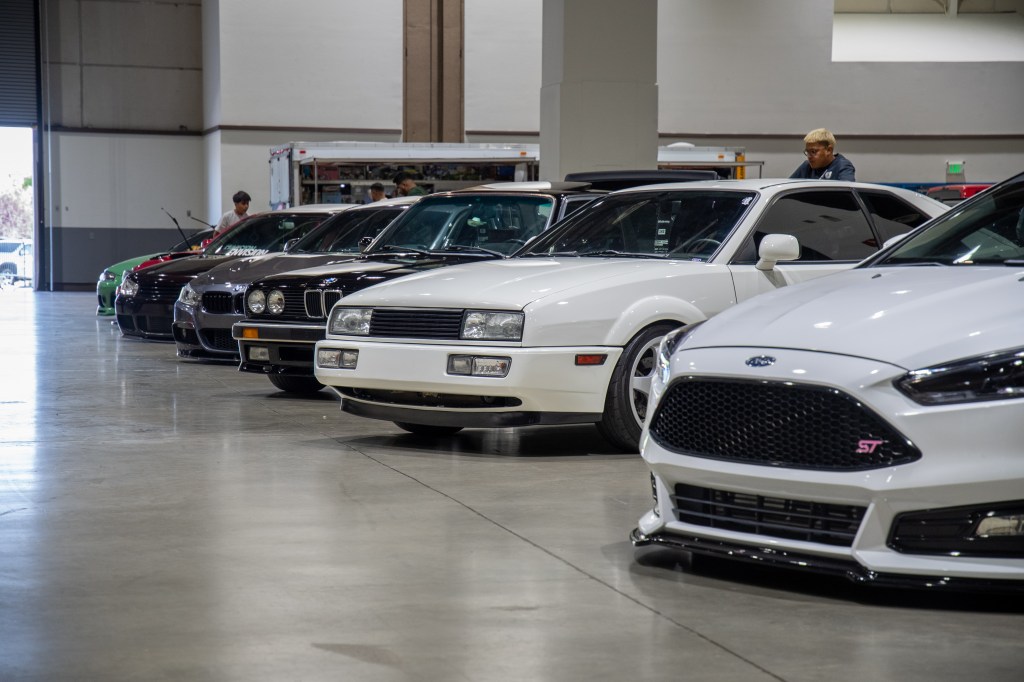
I’ve been to a lot of shows, some legendary, some forgettable. But Flagship stood out, and not just because of the cars. It stood out because of why it existed. It made a strong case for what happens when you give people the space to build something from the ground up. NEU has shown how a small-town show sparked something way bigger.
Reno’s Unlikely Rise and the Culture on Display
When people think of car culture hubs in the U.S., Reno doesn’t make the short list. Most people associate the scene with SoCal and the Bay Area, Austin, or Miami. But Reno has been quietly building momentum for a while. And when you pull into a show like Flagship, you feel that energy before you even find a place to park.
The venue was simple, open, industrial, and flexible. Hosted at the Reno Sparks Convention Center, It didn’t need a ton of fancy signage or valet parking. It had enough character with its attendees. Cars rolled in early, some scraping, some with screaming V10s, some just cruising sunder the radar. From the jump, it was clear this wasn’t just a “pop the hood and sit in a lawn chair” kind of show. It was intentional. Every layout choice, every vendor booth, every musical cue felt dialed. There were specialty auto shops, toy car resellers, local vendors, and even an on site screen printing company making event shirts. But none of it distracted from the cars, it elevated them.
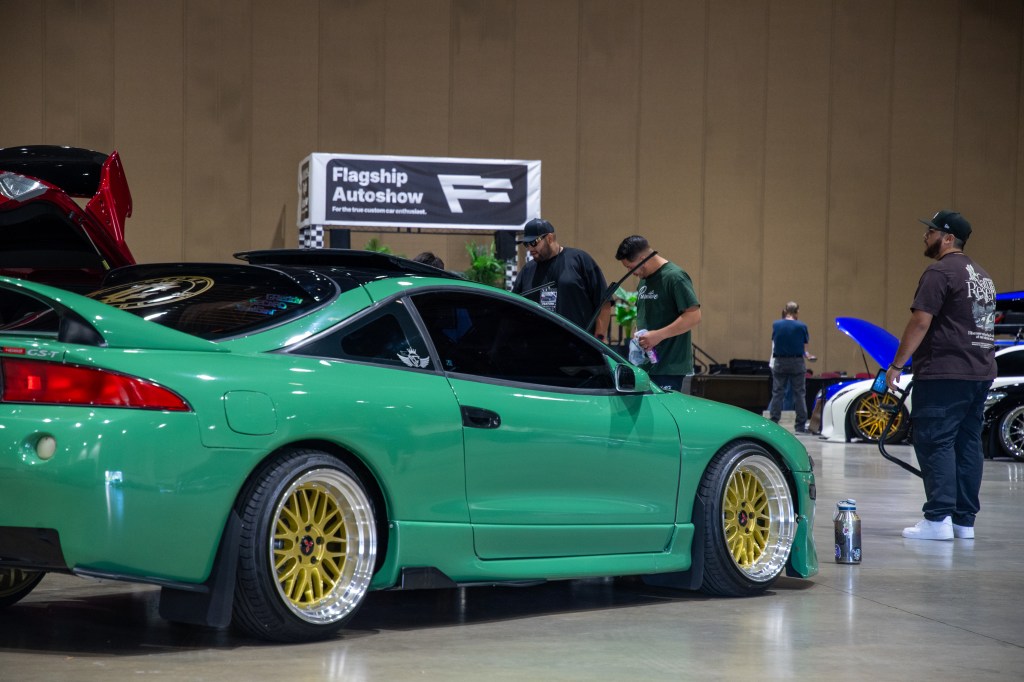
We all love a good build story. And Flagship delivered plenty of them. But what made it special was how those builds fit into a bigger narrative, one about accessibility, experimentation, and expression. There were full-blown show cars with candy paint and tucked engine bays. There were drift builds with mismatched panels and battle scars. There were rare Japanese imports and Euro homologation specials. But it wasn’t a “who spent the most money” contest. It was more like, “What’s your point of view?”
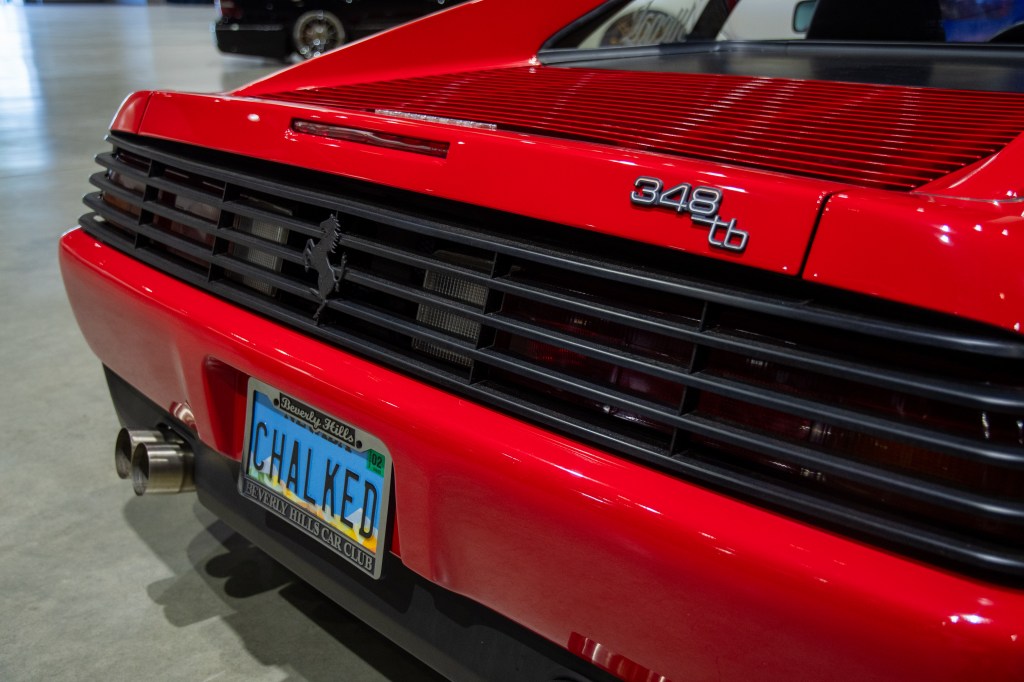
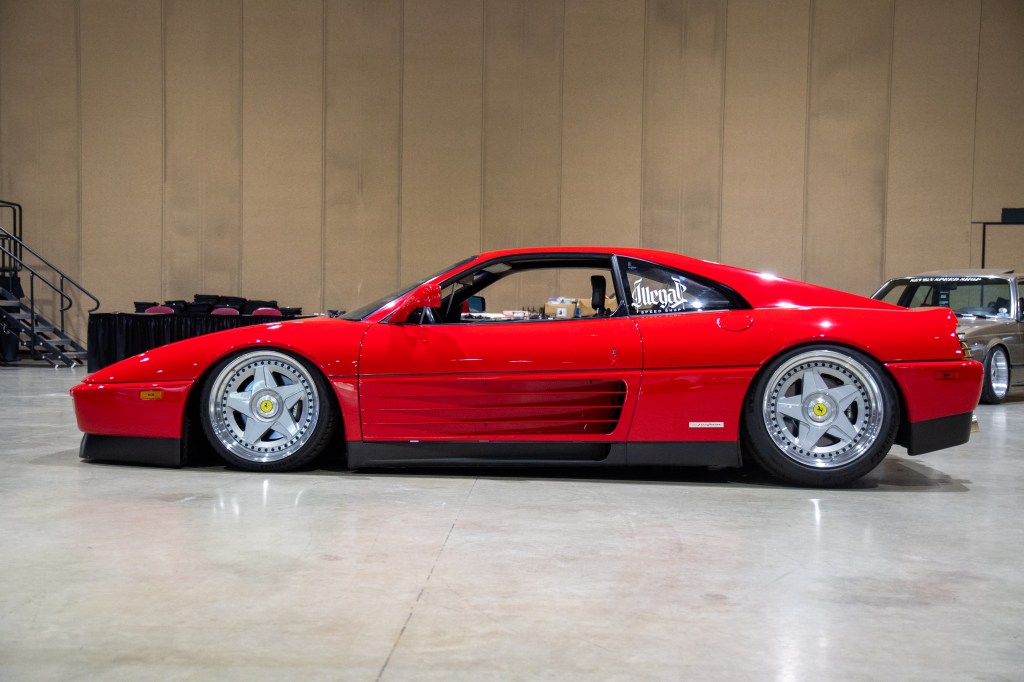
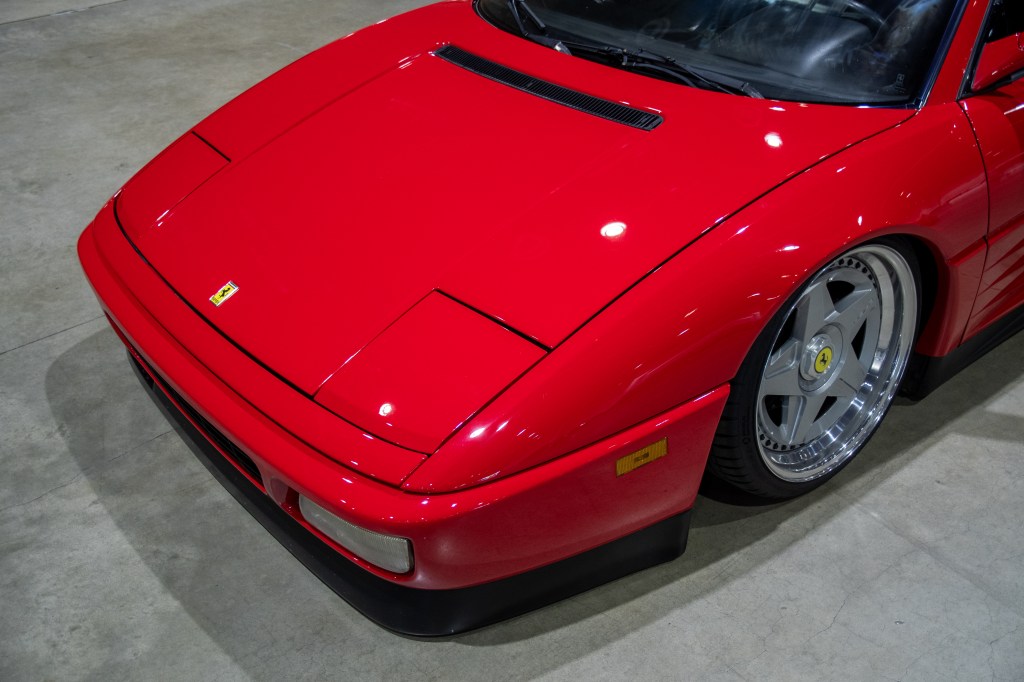
One of my favorites was an unassuming Ferrari 348, well as unassuming as a 348 could be. From a distance, it looked clean but understated. Get closer, and you notice something was a bit off. I peeked into the open front hood to find its fully plumbed air-ride system. Not really your everyday Ferrari, but was a vivid reminder of what the event represented. Car people doing car people things.
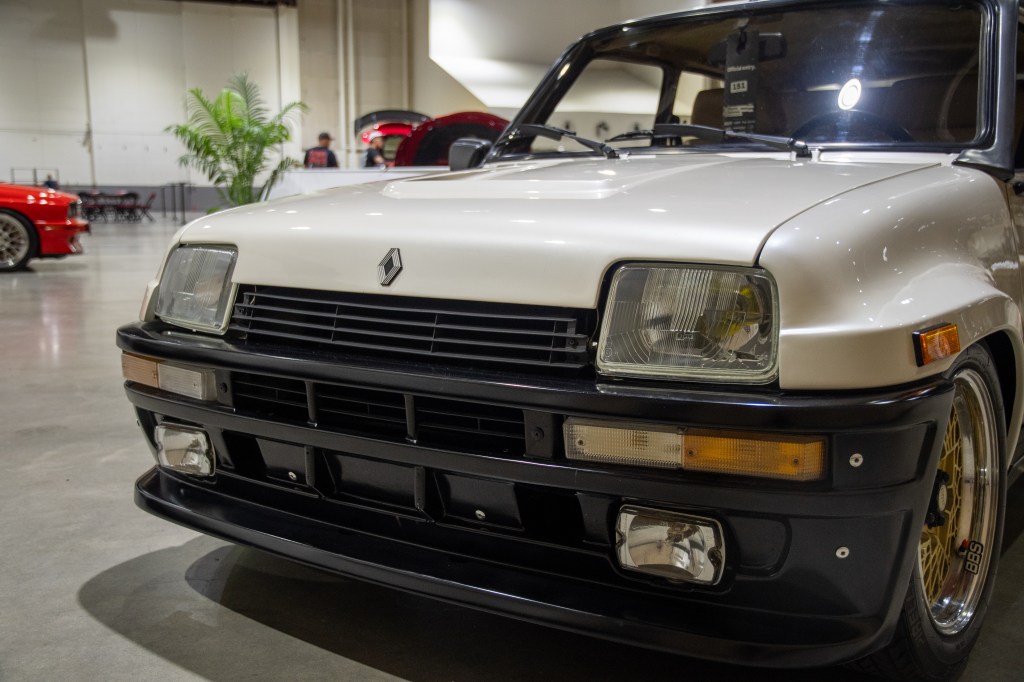

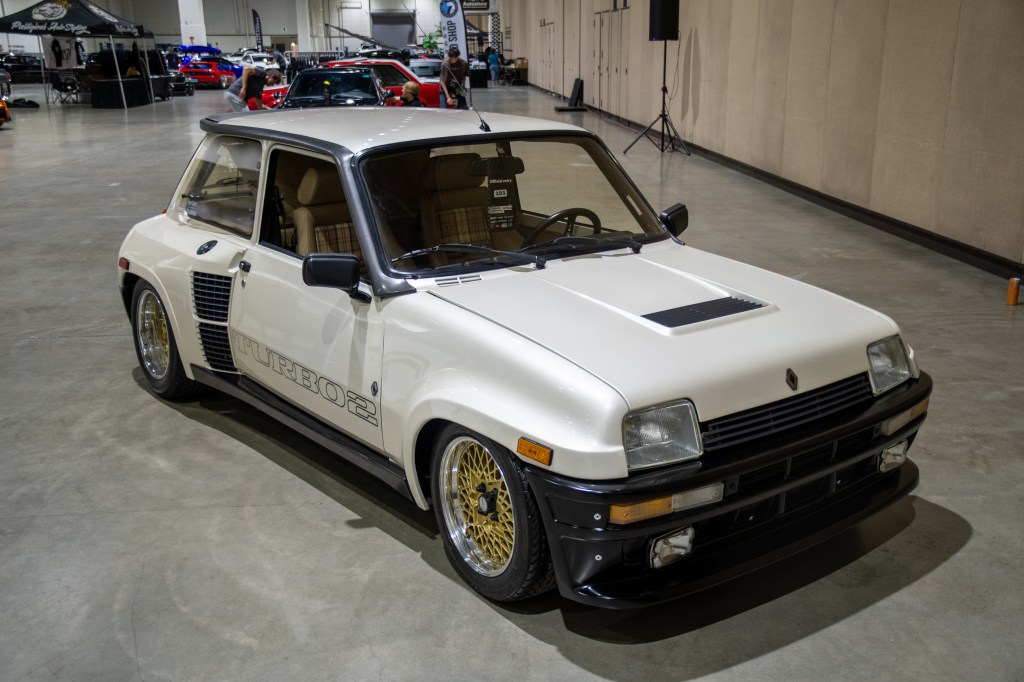
If that wasn’t enough, a Renault 5 Turbo 2 was on display at the ticketed entrance. Not really a car you expect at any car show let alone a local show in Reno. One of the rare hatchbacks with a mid-engine, its low key one of my dream cars. I was shocked to see it in front of me so I gave the car the 30 minutes it deserved and drooled over the thought of owning it one day. Flagship curated a perfect collection of cars that you really can’t find anywhere else outside of a museum.
Building Something Real: Community Willpower and Local Impact
The real story here isn’t just that Flagship happened, it’s how it happened. Reno doesn’t have the same kind of infrastructure as LA or Seattle. It doesn’t have dozens of weekly meets or big-name sponsors ready to back every flyer. What it has is willpower. And people willing to put in the hours. This show wasn’t thrown together overnight. The NEU team worked hard to build an event that felt professional and well branded without feeling corporate. They invited creators, brands, photographers, and builders with something to say. And they trusted the community to show up and represent.
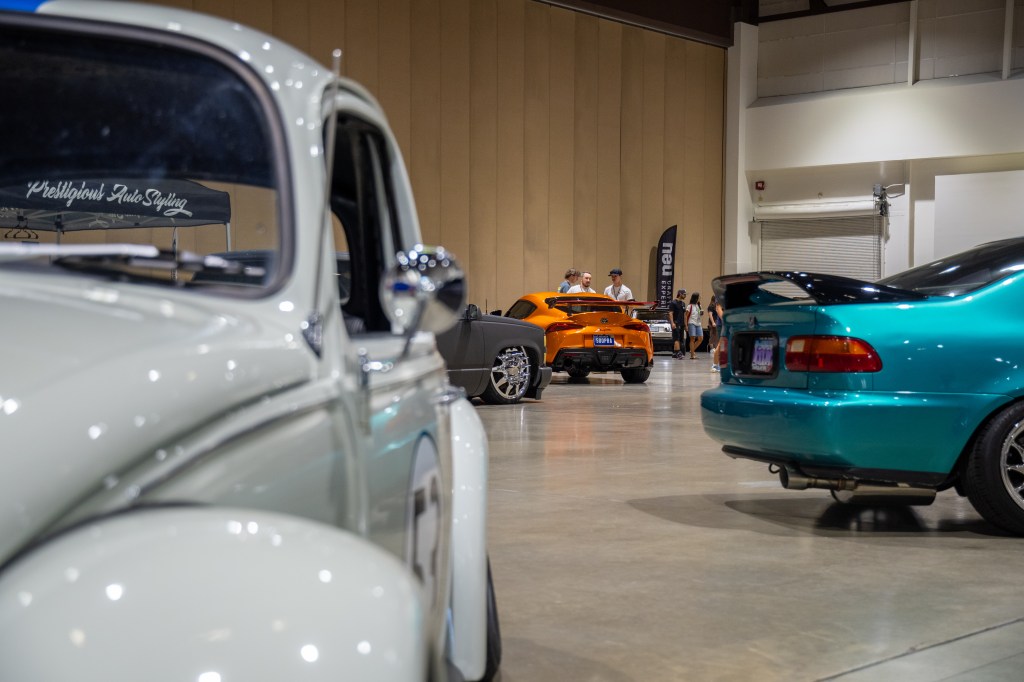
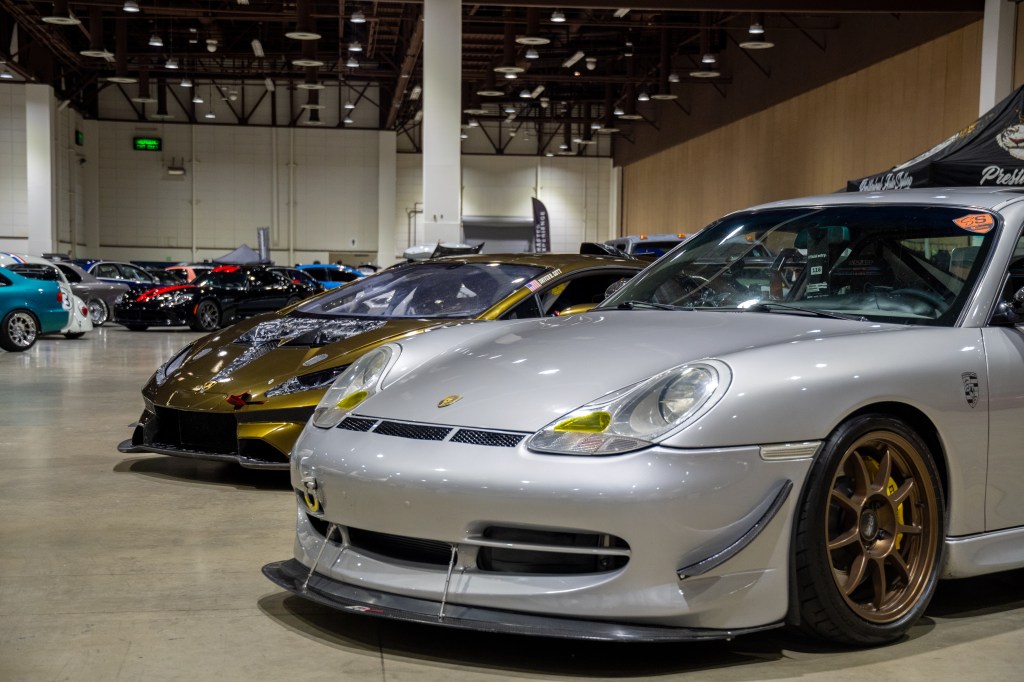
It worked. People drove in from places like Sacramento, Salt Lake City, and SoCal. They brought cars, merch, camera gear, and stories. Everyone was stoked to be there. No egos. No gatekeeping. Just shared respect for the culture. That’s what makes shows like this matter. Not just the visual feast of rare or beautiful cars, but the underlying truth that car culture can thrive anywhere if people are willing to make space for it. Sometimes literally, sometimes figuratively.
There’s a lot of noise in car culture right now: social media algorithms, influencer builds, and big-name sponsorships. None of that’s inherently bad, but it can start to feel distant. You scroll through perfectly edited content and wonder, “Where do I fit in?” Local shows like Flagship are the answer. They give enthusiasts a place to start. A place to be seen. A place to try new things and mess up, and get inspired all over again. And in towns like Reno, they matter even more. Because they’re not just about cars. They’re about identity.
Flagship showed what’s possible when people believe in their scene and invest in their own backyard. It felt like a cultural checkpoint, proof that a creative, collaborative community can build something just as compelling as anything you’d find in a massive city. Maybe more so.
The View from Behind the Lens and Supporting Your Scene
Being part of the media team added a layer to the experience that I’m still unpacking. On one hand, you get to see the behind-the-scenes hustle, rolling cars into position, chatting with owners, and chasing that perfect shot. On the other hand, you get to slow down and appreciate the little stuff: a kid peeking under a car he can’t wait to drive one day, a group of friends laughing over jokes, or a lowrider airing out to cheers from a crowd of strangers.
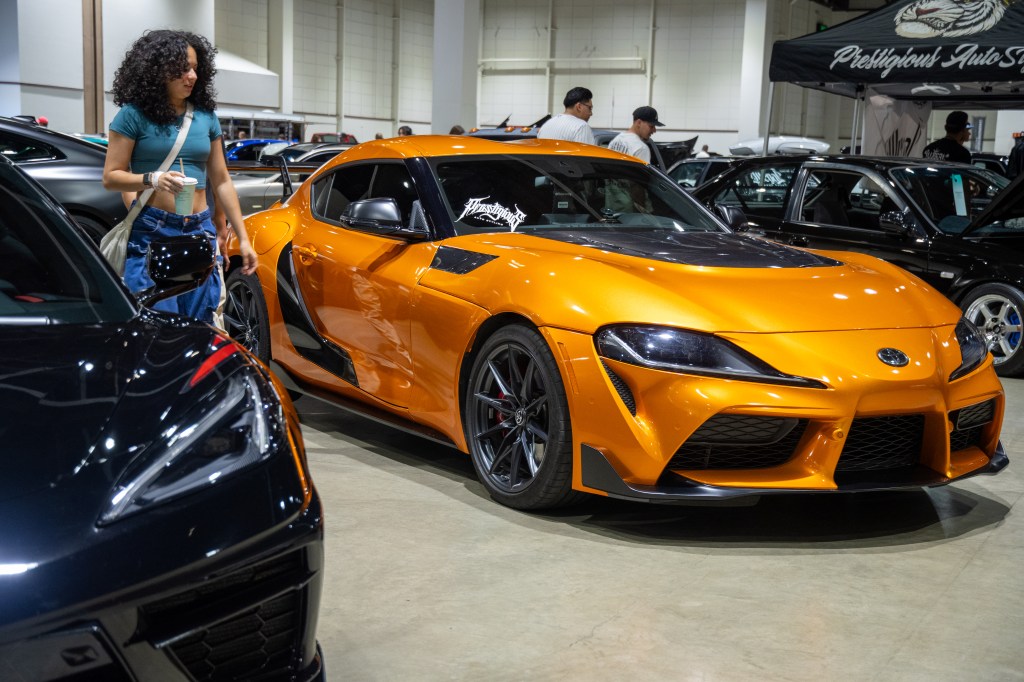
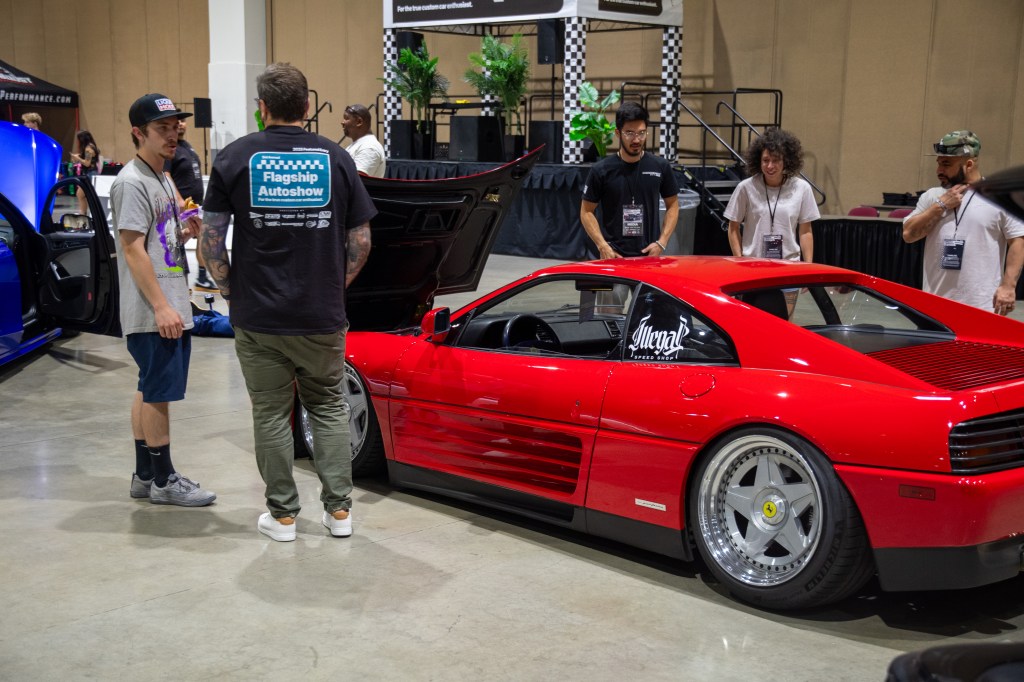
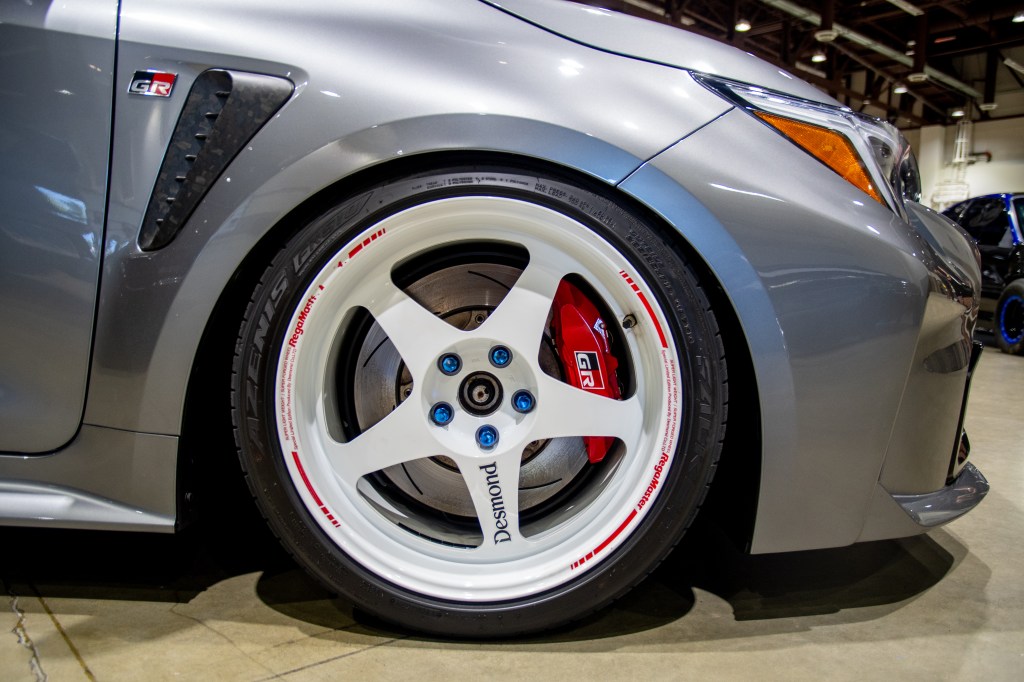
When you’re behind the camera, you start to notice where the real story lives. It’s not always in the big builds or cleanest engine bay. It’s in the interactions. The handshakes. The mutual head nods. The shared knowledge. That’s where culture lives. And that’s what keeps people coming back.
Flagship Forever and a Look at the Future
If you’ve ever thought about going to a local car show but weren’t sure if your build was “cool enough,” let this be your sign: show up anyway. Bring the project car with zip ties holding the bumper on. Park the stock daily and walk around with a camera. Talk to someone whose wheel fitment you admire. Ask a stranger about their livery or engine swap. You’ll learn something. You’ll make a connection. You’ll contribute to the culture just by being present.
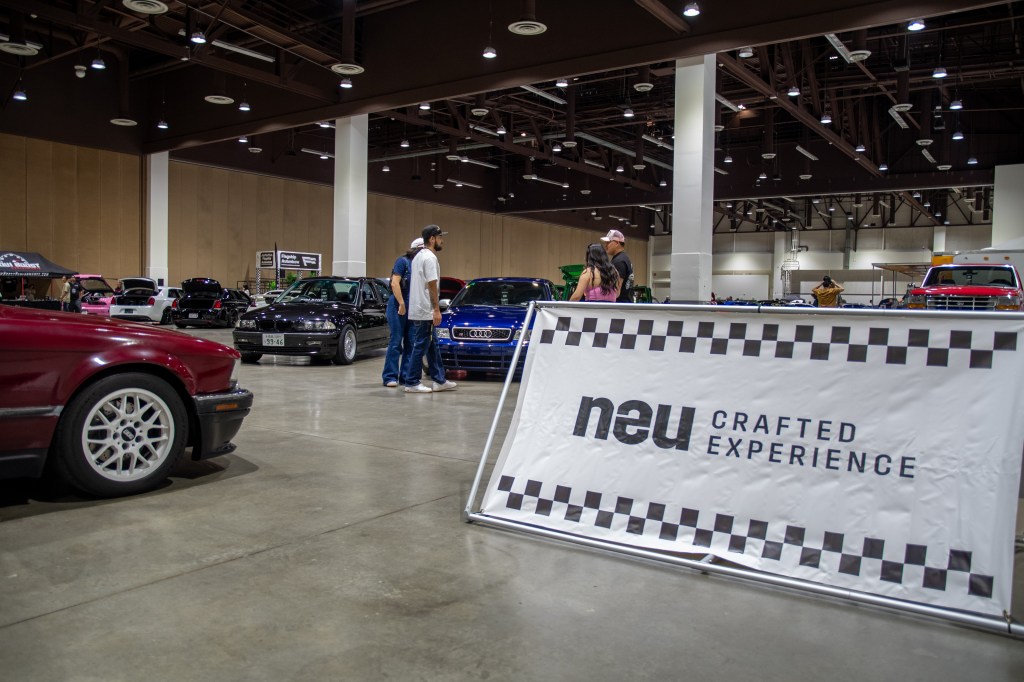
Flagship proved that small towns can throw big shows and that car culture is ready to grow wherever it’s planted. I’m told there are plans for more than one event next year, so I may be getting more Flagship Autoshow than I asked for. But the success of this event only proves, if you’ve got an idea, a location, or even just a handful of friends who love cars, start something. It doesn’t have to be perfect. It just has to be real. It just has to be started. Because when the community shows up, magic follows.
 The Late Brake
Leave a Reply