

In the pantheon of automotive icons, few cars command the devoted following of the Subaru WRX. Born from rally racing and forged in the mud and gravel of the World Rally Championship, the WRX has long been the accessible performance car of choice for enthusiasts who demand all-weather capability without sacrificing that raw, turbocharged thrill.
But when the “VB” body style WRX arrived in 2022, it came with something of an identity crisis. One glance at its new plastic-clad wheel arches and raised stance, and you might wonder if Subaru has forgotten what made the WRX special in the first place. Has the legendary road-legal rally car morphed into something unrecognizable, or is this simply the next stage in the WRX’s evolution?
First Impressions: Where’s My WRX?
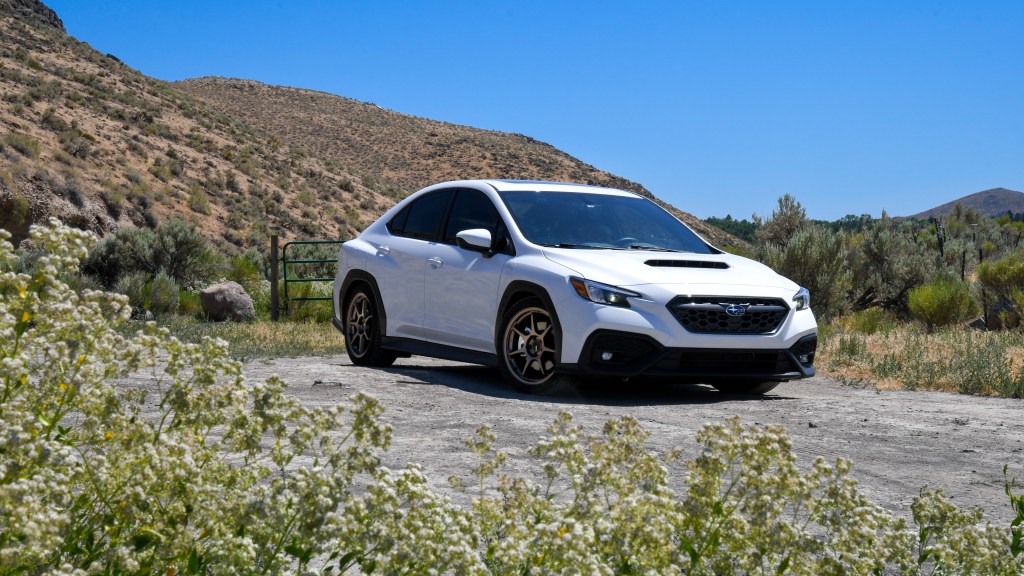
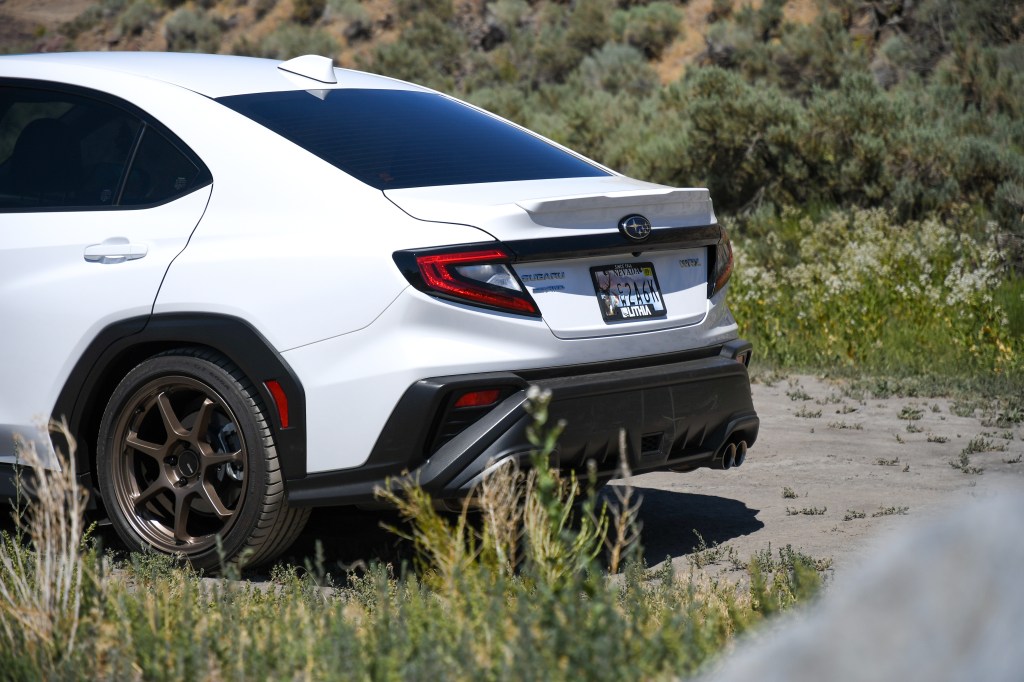
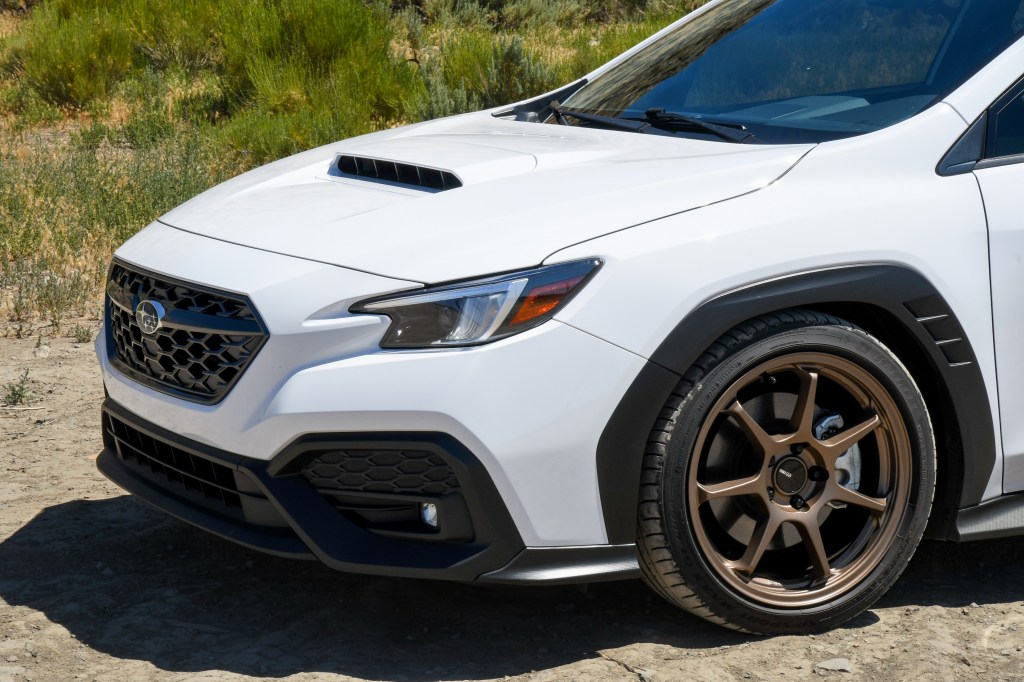
I got my hands on a 2023 WRX to decide. Approaching this new model WRX, the most immediate and jarring change is the exterior design. Gone is the taut, aggressive stance that screamed “JDM performance” and in its place sits something that looks more at home in the crossover aisle. The black plastic cladding around the wheel arches gives the distinct impression that Subaru is trying to appeal to the Crosstrek and Wilderness crowd rather than the traditional WRX buyer focused on track looks.

It’s an aesthetic that feels confused, neither race-prepped nor overland. The WRX’s visual DNA has always been about purposeful, aggressive performance with those iconic wide fenders, massive wing, and gulping hood scoop. While those elements remain, they’re subdued and now competing with design cues borrowed from Subaru’s adventure-oriented lineup. The result is a car that looks like it’s trying to be both a street performer and a light off-roader. Not remotely a bad-looking car, but not a WRX looking car.
Under the Hood: The Heart Still Beats
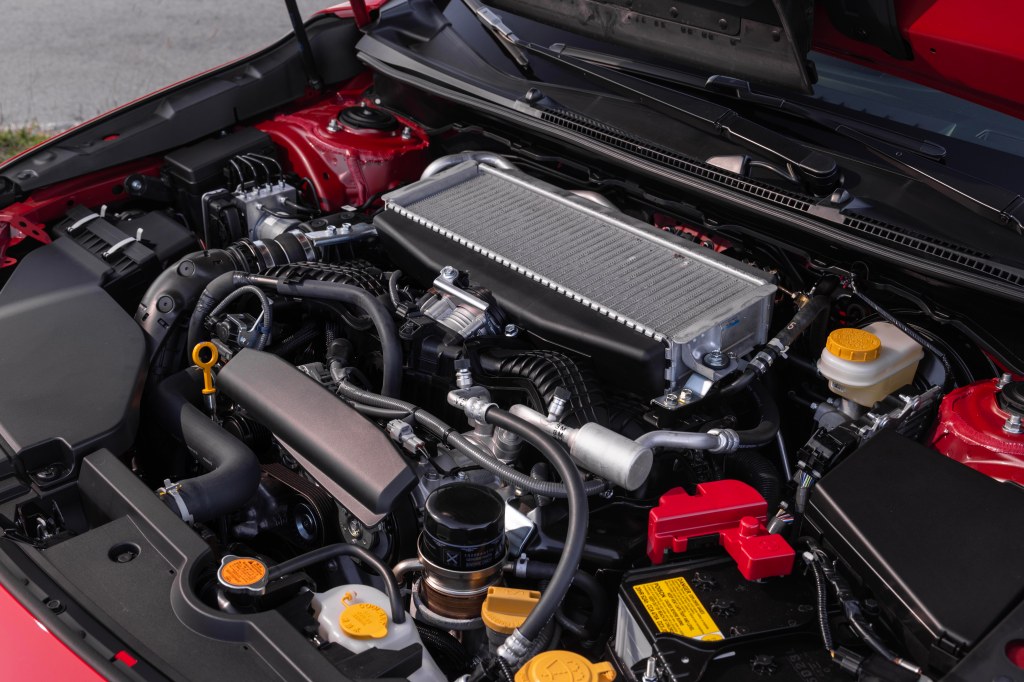
Thankfully, beneath the controversial bodywork, the WRX remains committed to its performance roots. The new 2.4-liter turbocharged boxer engine replaces the previous 2.0-liter unit, producing 271 horsepower and 258 lb-ft of torque. The numbers represent only a modest bump over the outgoing model (just 3 horsepower more), but the larger displacement engine delivers its power with more linearity and less reliance on the turbo. That also means extra power if you do tune it, which in my opinion is a rite of passage for WRX ownership. If your rod bearings aren’t at operating at the ragged edge, are you really a WRX owner?
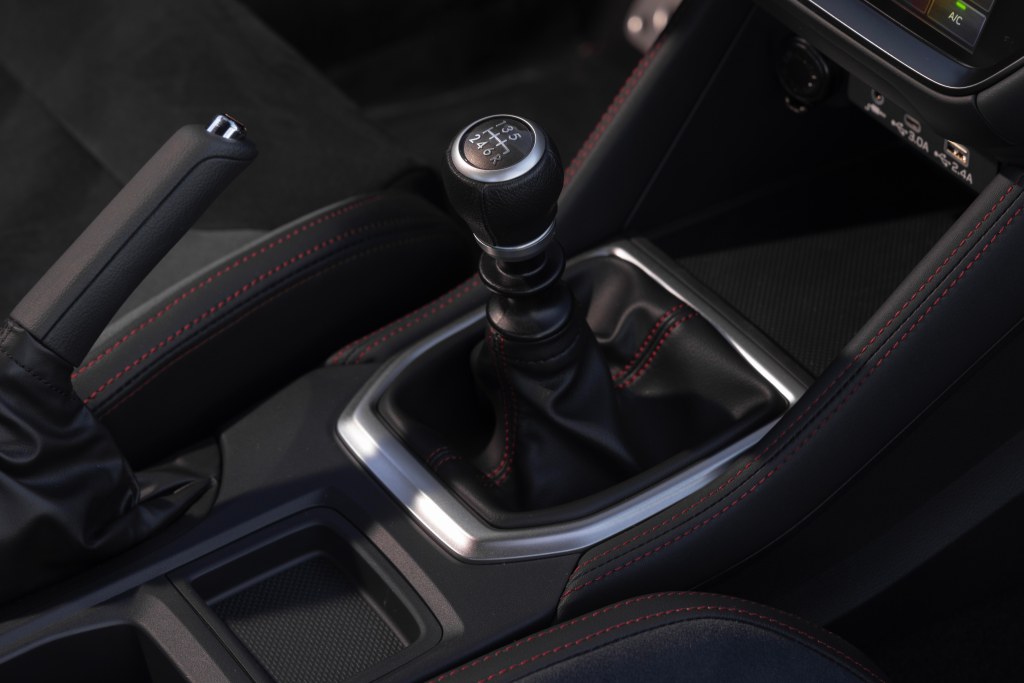
The standard six-speed manual transmission remains gloriously mechanical, with short throws and a positive engagement that reminds you why the WRX has always been a driver’s car. The optional CVT, now rebranded as the Subaru Performance Transmission (SPT), has been improved with faster simulated shifts, but still feels like a compromise for those who truly appreciate the WRX experience. While the CVT is impressive, its not really the reason to get a WRX. Dropping the CVT into a standard Impreza feels like a better choice for a sporty but easy experience, however, the regular Impreza is not the one on trial here.
Subaru’s symmetrical all-wheel drive system continues to be the secret sauce, providing tenacious grip in all conditions. The 50/50 torque split makes the WRX still feel special when the pavement ends or the weather turns nasty. There is not much else to say on here. The WRX has, has had, and will have one of the best all-wheel drive systems you can get. There are other good systems, but nothing on par with Subaru’s performance let alone the performance at this price. If you need a sporty all-wheel drive, you probably don’t need to keep reading, your decision should be made at this point.
Chassis Dynamics: Sharper Than Ever
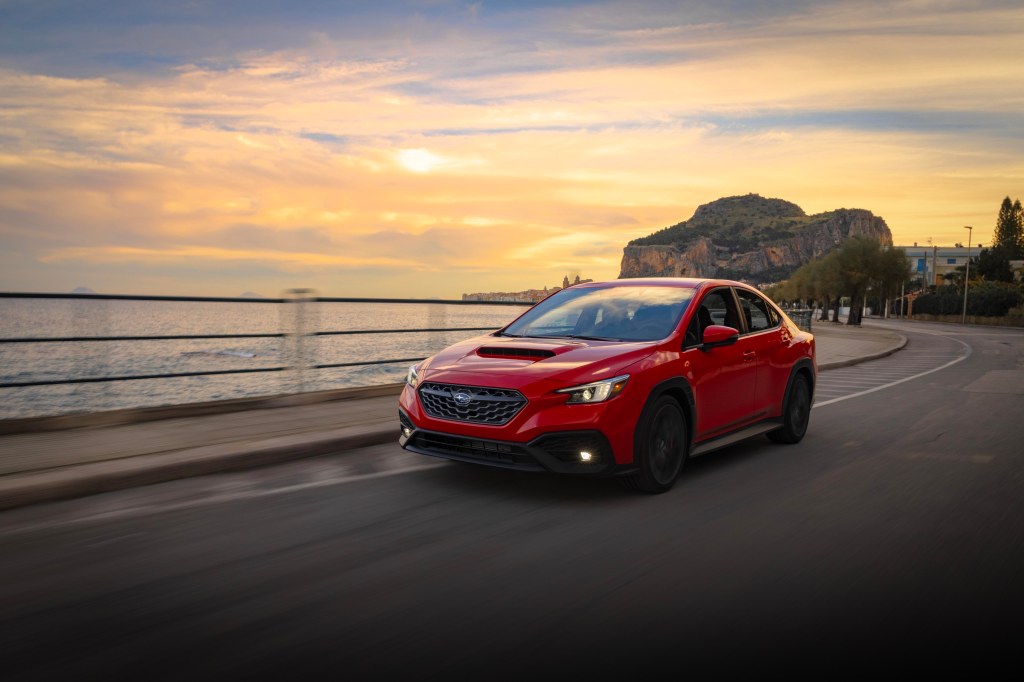
If there’s one area where the 2023 WRX unequivocally improves upon its predecessor, it’s in the chassis department. Built on Subaru’s Global Platform, the new WRX benefits from increased rigidity, which translates to sharper turn-in, reduced body roll, and a more composed ride over broken pavement.
The steering is quicker and more direct than before, though still not as communicative as the hydraulic systems of WRXs past. The brakes offer good initial bite and remain fade-resistant even after repeated hard stops, probably the most important element for a car that encourages spirited driving.
Push the WRX hard into a corner, and you’ll find that despite its visually higher stance, it still hunkers down and grips with authority. There’s a newfound maturity to the way it handles rough roads, absorbing impacts that would have unsettled the previous generation without sacrificing handling precision. This new chassis feels oddly European, closer to much more expensive, dare I say, German brands than its previous generations. German quality with JDM pricing is not a bad combination to have.
Interior: Finally Fitting the Price Tag
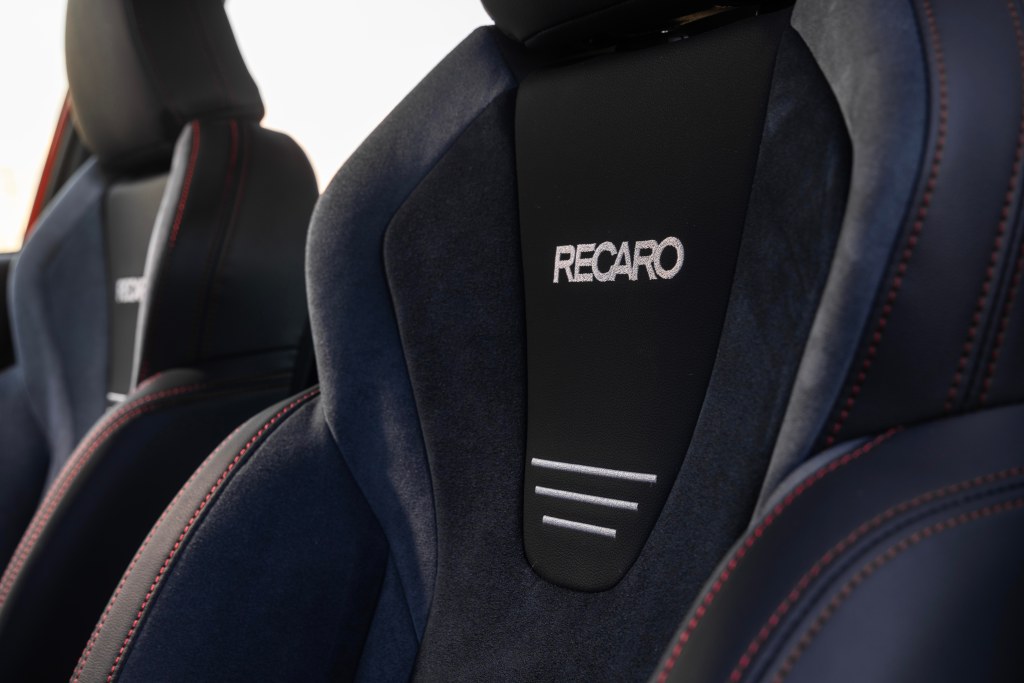
One area where previous WRXs have always fallen short is interior quality. The good news is that the models have made significant strides here. Materials are noticeably improved, with softer touch points and better fit and finish throughout the cabin. The driving position remains excellent, with well-bolstered seats that hold you in place during aggressive cornering without becoming uncomfortable on longer drives. Rear seat space is adequate for adults, and the trunk offers a practical 12.5 cubic feet of space, which is unchanged from the previous generation but still competitive for the segment.
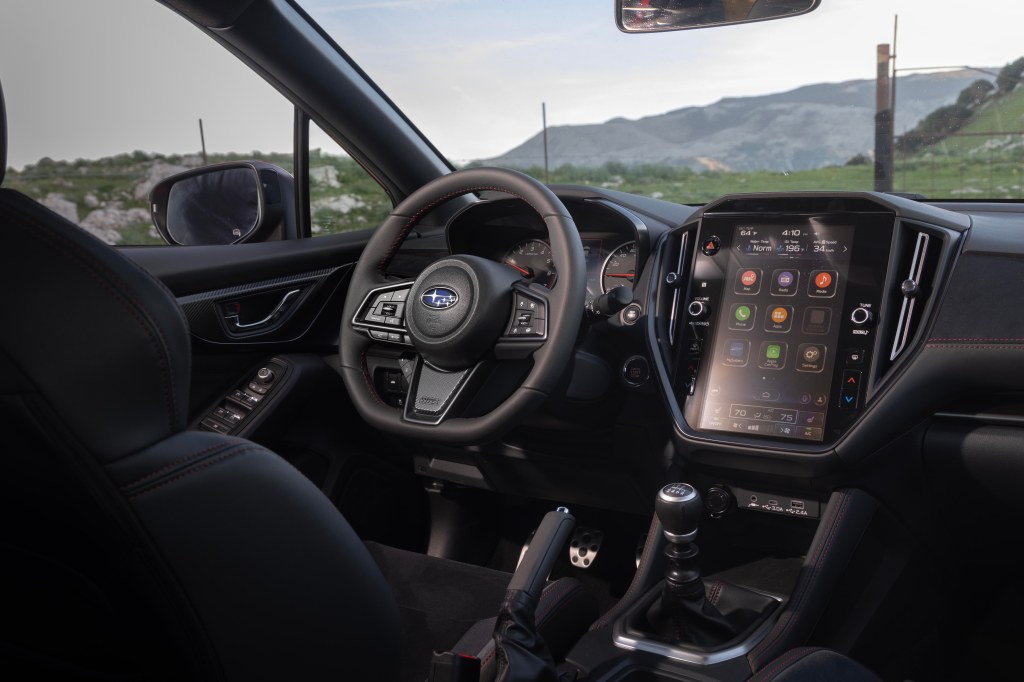
The centerpiece of higher trim levels is an 11.6-inch vertical touchscreen that handles infotainment duties. It’s a vast improvement over previous Subaru systems in terms of responsiveness and graphics, though the portrait orientation takes some getting used to, and the reliance on touch controls for climate functions isn’t always ideal when driving enthusiastically. It’s great to have such a large screen, without it feeling like it’s in the way. Ideally, a car interior should feel like you are driving it, not operating a commercial jet.
Is Still a WRX at Heart?
This is where the rubber meets the road, literally and figuratively. Does the VB chassis WRX still deliver that special connection that made its predecessors legends?
The short answer is yes. But with asterisks.
The fundamental WRX character remains: turbo surge, all-wheel drive grip, and a chassis that encourages you to seek out the long way home. The boxer engine still delivers that distinctive growl (though enhanced by artificial sound through the speakers in some drive modes), and the car still comes alive on a twisty back road.
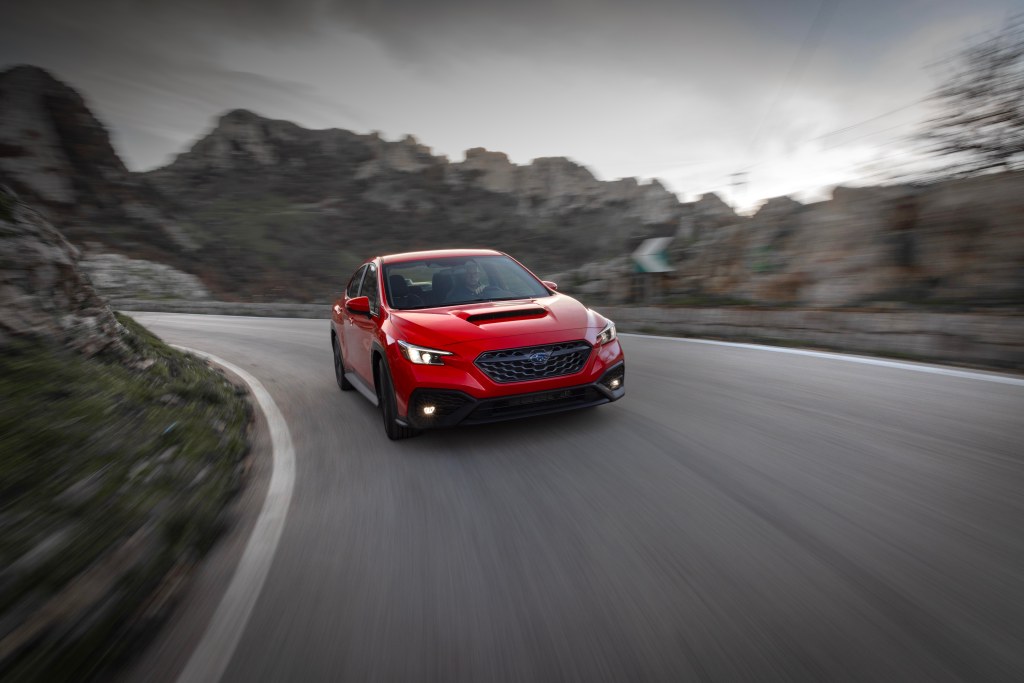
But there are changes to the formula. The new WRX feels more grown-up, more refined, and less raw than WRXs of old. The ride is more compliant, the cabin better insulated, and the overall experience more polished. For many, this will be a welcome evolution, but hardcore enthusiasts might miss some of the rough edges that gave previous generations their character.
The increased ground clearance and plastic cladding seem to suggest that Subaru wants the WRX to be taken more seriously as an all-conditions performance car rather than purely a tarmac terror. In practice, this means it’s more capable on dirt roads and in deep snow, but at the expense of some visual cohesion. The real question, though: Is that a bad thing? I would argue no.
Then, Who Is This Car For?
And therein lies the fundamental question about the modern WRX: Who is Subaru targeting with this redesign?
The traditional WRX buyer has always been the enthusiast who wanted affordable performance with practical all-weather capability. The car’s rallying heritage, turbocharged engine, and distinctive appearance were key selling points.
With the new VB models, Subaru seems to be casting a wider net. The more mature driving dynamics, improved interior, and crossover-inspired styling cues suggest they’re trying to appeal to buyers who might otherwise consider something less sporty like a Forester. Its push for a higher-end, more “adult” audience doesn’t mean it’s given up. Subaru is protecting the WRX for future generations.
But in doing so, they risk alienating the core audience that made the WRX an icon in the first place. The plastic cladding and raised stance might appeal more to the outdoor-lifestyle demographic that Subaru has successfully cultivated with its other models. But do those buyers really want a firm-riding sports sedan with a manual transmission and turbocharged engine?
Evolution or Identity Crisis?
After spending considerable time with a 2023 WRX, I’m left with mixed feelings. From a purely objective standpoint, it’s a better car than its predecessor in nearly every measurable way. It’s faster, more refined, more comfortable, and more technologically advanced.
But cars like the WRX aren’t bought on objective criteria alone. They’re emotional purchases, and the emotional connection comes from that special blend of characteristics that made the WRX a legend: the purposeful rally-car looks, the raw driving experience, and the sense that you’re driving something built for performance above all else.
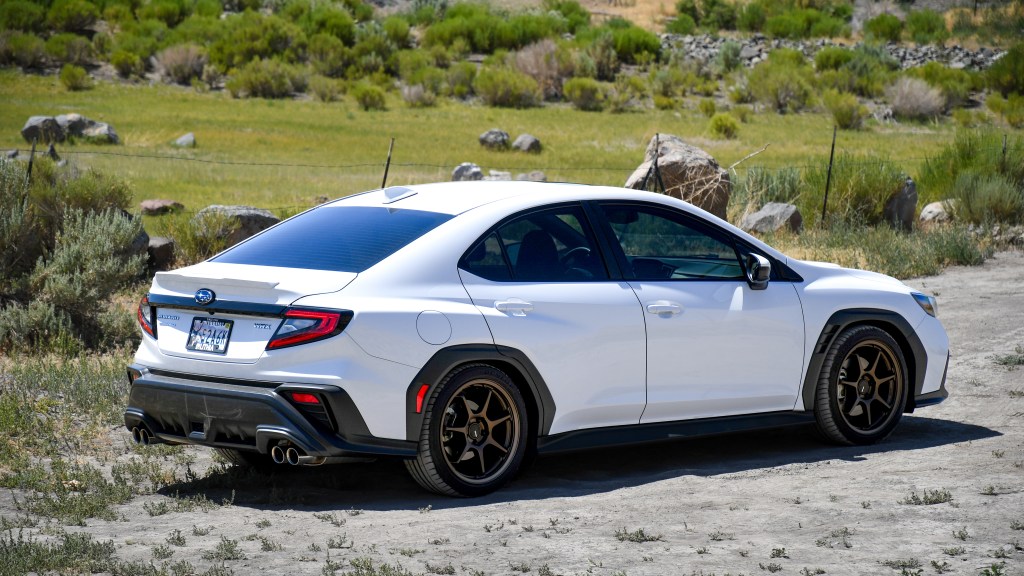
The VB models maintain much of the WRX’s performance DNA, but the visual transformation and increased refinement suggest a car that’s trying to be too many things to too many people. It’s no longer just the affordable road-legal rally car; it’s trying to be a sophisticated sports sedan and a light adventure vehicle too. For some buyers, this broader appeal will be welcome. For the owner of this one, it certainly did (Thanks again Ben, for letting me borrow it). But for the JDM enthusiasts and rally fans who have made the WRX a cult hero for decades, the new model might feel like it’s lost some of its focus and identity in pursuit of broader market appeal.
In the end, the 2023 Subaru WRX remains a capable and enjoyable performance car, but one that’s evolving away from its specialized roots toward something more mainstream. Whether that’s progress or betrayal depends entirely on what you loved about the WRX in the first place.
The WRX is growing up, for better or worse. The question is whether its fanbase is ready to grow with it. I think so.
 The Late Brake
Leave a Reply