

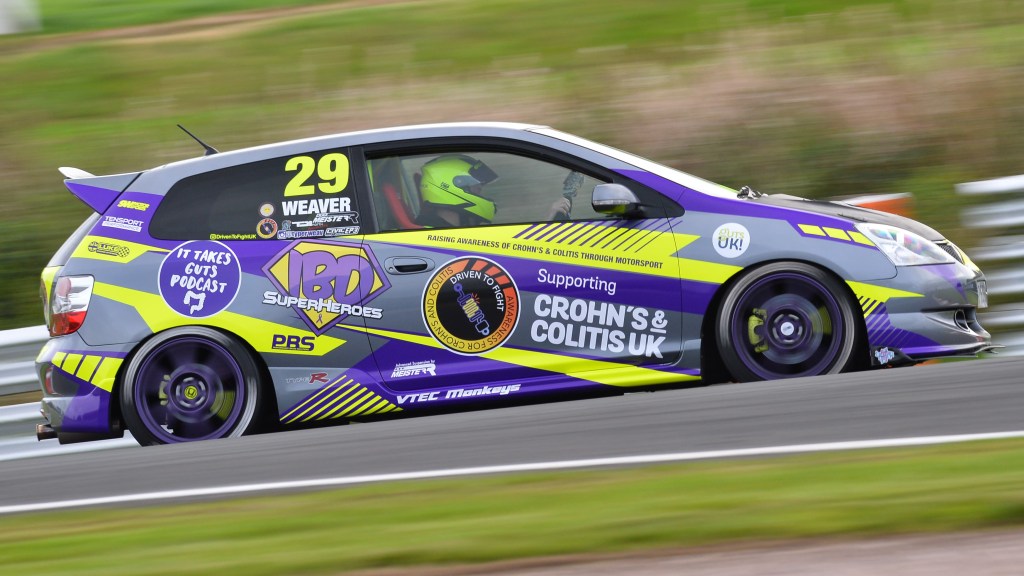
Picture this: you’re lying in a hospital bed, having spent over a month battling a disease that’s been misdiagnosed for years. Your friend texts asking if you want to hit up a local car meet. Instead of the usual “yeah mate, see you there,” you’re typing back “can’t make it, I’m in hospital.” That moment of vulnerability became the spark for something much bigger than anyone could have imagined.
This is the story of Craig and his project “Driven to Fight” – a grassroots movement that’s using the universal language of motorsport to shine a light on inflammatory bowel disease (IBD), specifically ulcerative colitis. It’s the kind of story that reminds you why car culture matters—how a car can be so much more than getting around, becoming a bridge to other people and a source of purpose you never saw coming.
What Is Driven to Fight
At its core, Driven to Fight is Craig’s personal mission to raise awareness for ulcerative colitis and IBD through motorsport. What started as an idea conceived from a hospital bed has evolved into a platform that reaches fellow sufferers, motorsport enthusiasts, and anyone who believes that cars can be vehicles for positive change.
Craig isn’t your typical automotive influencer or professional racer. He’s a regular bloke who found himself facing a chronic illness that’s often misunderstood and rarely discussed openly. Rather than retreat into silence, he decided to wrap his Honda Civic Type R in a livery that tells his story and take it to every track day and car show he can manage.
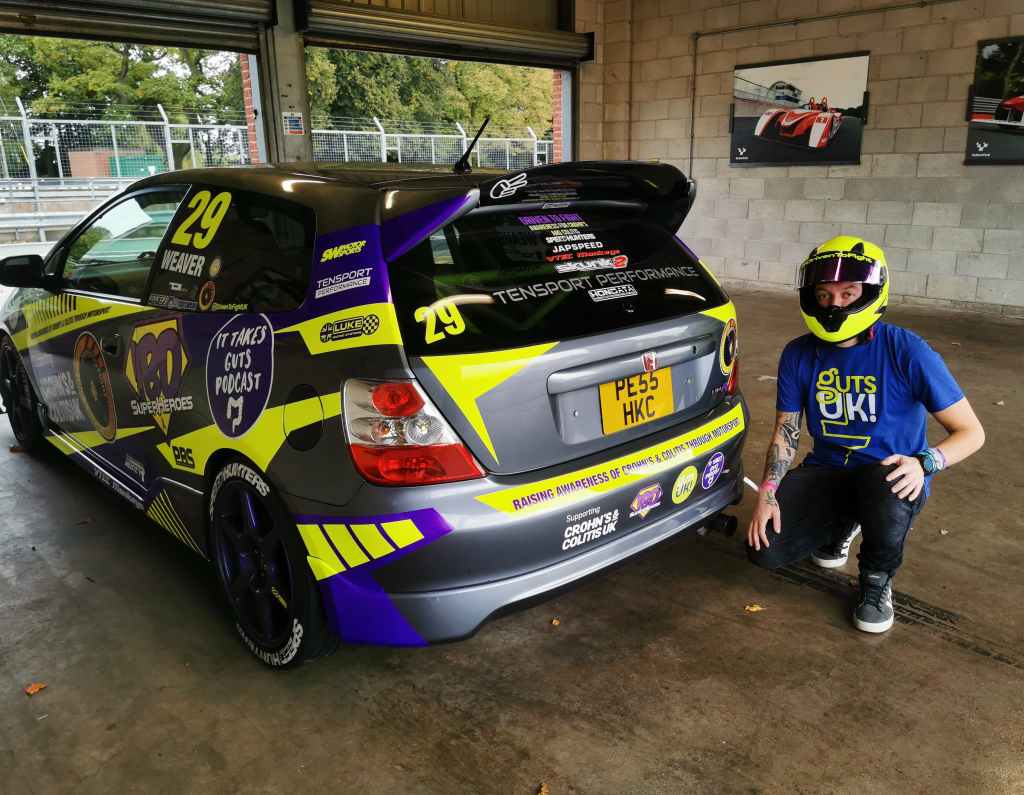
The project operates on a beautifully simple premise: use the inherent community aspect of car culture to start conversations about something that affects millions but gets talked about by far too few. When you roll up to Oulton Park or Donington with a car that’s clearly making a statement, people ask questions. And in those questions lies the opportunity to educate, support, and connect.
What makes Craig’s approach particularly authentic is his transparency about the journey. He’s not painting himself as some superhero who conquered his illness through sheer willpower and octane. Instead, he’s honest about the mental toll, the physical challenges, and the very real impact chronic illness has on pursuing the things you love.
The Spark That Started Everything
Craig’s journey with ulcerative colitis reads like a medical mystery novel, but unfortunately, it’s a story shared by too many people dealing with IBD. For months, possibly years, he was passing blood and getting bounced between GPs who kept diagnosing him with IBS. His mom, understandably terrified it might be cancer, kept pushing for answers.
The breakthrough finally came with a colonoscopy and the official diagnosis of ulcerative colitis. Initially, steroids seemed to do the trick, and Craig admits he didn’t think it was “that bad.” Classic mistake. IBD has this cruel way of lulling you into thinking you’ve got it figured out before hitting you with everything it’s got. That reality check came years later in the form of a hospital stay that stretched over a month. It was during this extended hospitalization that the lightbulb moment occurred. A friend’s innocent invitation to a car event became the catalyst for something much bigger.
“I told them I was in hospital,” Craig recalls. “They had no idea I had this disease because I’d spent most of my diagnosis pretending I didn’t have anything wrong.” Sound familiar? How many of us have downplayed our struggles, especially when they’re invisible to others?
From that hospital bed, Craig created an Instagram account and started reaching out to people about his plan to put a livery on his car. Many thought it was just hospital bed dreaming, the kind of grand plans that fade when reality kicks in. But Craig had something they didn’t count on: the determination that comes from feeling genuinely alone with something and deciding you don’t want others to experience that same isolation.
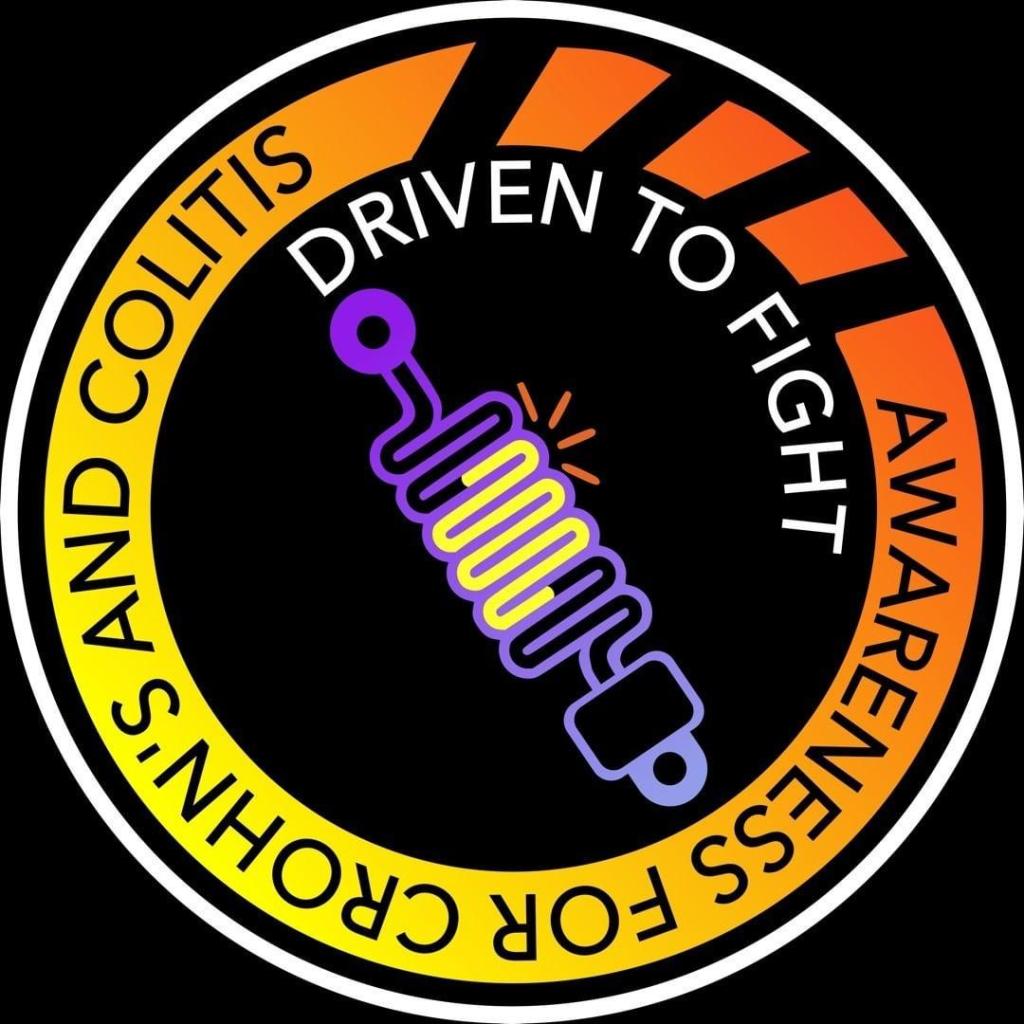
Once out of the hospital, a newly formed partnership with Grafx brought the vision to life, transforming Craig’s Type R into a rolling billboard for IBD awareness. More importantly, it became a conversation starter, a way to turn an invisible illness into something visible and discussable.
The Therapeutic Power of Track Time
Here’s where Craig’s story intersects beautifully with something many of us understand intuitively but rarely articulate: the healing power of driving. Not just any cruising around the block, but the kind that demands every ounce of your attention and skill.
“I guess I noticed it the first time I took my car out on a track,” Craig explains. “I’d not been feeling great and had some symptoms that day and doubted even going out. But when I did go out it’s like everything disappears. My mind is that busy and I’m concentrating that hard that I’m not ill anymore. I’m free of it for a short time.”
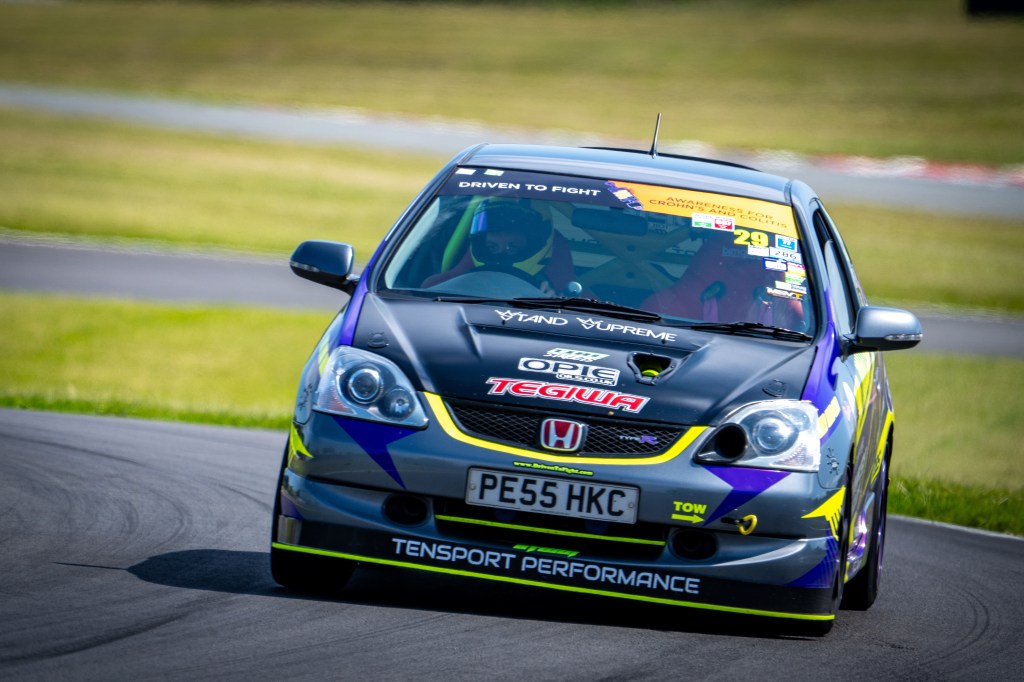
This isn’t just feel-good rhetoric. There’s something profound about the way focused driving can create a temporary sanctuary from anything, even chronic illness. When you’re managing brake points, hitting apexes, and reading the track ahead, there’s no mental bandwidth left for pain, worry, or the constant background noise of managing a chronic condition.
Craig finds cars therapeutic “in a way (when they work),” he adds with the kind of humor that only comes from deep experience with both modified cars and chronic illness. It’s a reminder that even our escapes come with their own challenges, but that doesn’t make them any less valuable.
Interestingly, Craig wasn’t always a motorsport enthusiast. His path into car culture started with his first car purchase, though he has fond memories of his parents’ rides: a Mini, Audi Quattro, and Ford Fiesta XR2. Cars that would be worth serious money today, but more importantly, cars that clearly left an impression on a young mind.
The Build That Keeps on Building
Craig’s Honda Civic Type R serves as the vehicle for his message literally and figuratively. He initially swore he’d never modify it, but “one time out on track, and that all changes.” Anyone who’s experienced their first proper track day will recognize this conversion story.
The build list reads like a thoughtful approach to track preparation: Japspeed 421 manifold, Tegiwa 2.75 track-friendly exhaust (respecting those pesky noise limits), K&N intake, and a Hondata K100 ECU mapped by TPW Engineering to 240 bhp. The suspension gets the full treatment with Meister R coilovers set up by Tensport Performance, Hardrace rear camber arms, and polybushed components throughout. A proper hatch built for the track without being overbuilt, something that is all too easy to do.
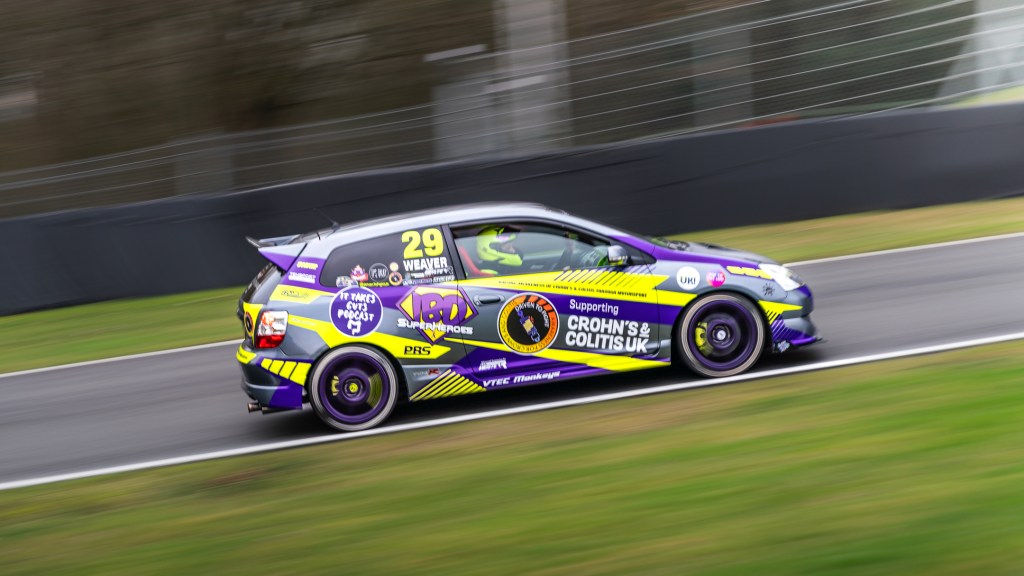
Being a dedicated track car, the Civic’s safety wasn’t an afterthought: SW Motorsports roll cage, Luke harnesses, Bimarco bucket seats, and a Motamec quick-release steering wheel. The aesthetic touches include a Buddy Club carbon bonnet, Vtec Monkey’s headlight duct, Mitsubishi Evo 8 alloys, and an Upaclick front splitter. Because, as Mike Burroughs of Stanceworks says, “There’s no point in going fast if you don’t look good doing it.”
It’s a setup that prioritizes function while maintaining the car’s fundamental character. The key detail in all this modification work? Craig has paid for everything himself. This isn’t a sponsored build or a publicity stunt. It’s a genuine grassroots effort funded by someone who believes deeply enough in his message to back it with his own money.
The Unexpected Reach of Authenticity and Looking Ahead
What started as a modest hope for maybe 50 Instagram followers has grown into something that regularly humbles Craig. People message him to say that seeing his story has helped them keep pushing through their own challenges. Others approach him at events to simply say thank you.
“I see that as achieving a goal of what I set out to do,” Craig reflects. “To just try and make someone feel a little more positive about a rubbish situation. I won’t lie, this disease has destroyed me mentally sometimes. And made me feel very alone.”
The motorsport community’s response has been particularly encouraging. Crohn’s and Colitis UK featured his story, and Tegiwa invited him into their sponsor program. But perhaps most importantly, companies without any obligation to promote IBD awareness have chosen to share his message, exponentially expanding its reach.
This matters more than you might initially realize. Craig points out that most guys would ignore symptoms like blood in stool (just as he did initially). Maybe one social media share reaches the right person at the right moment. Maybe it saves someone from years of misdiagnosis or encourages them to make that crucial doctor’s appointment.
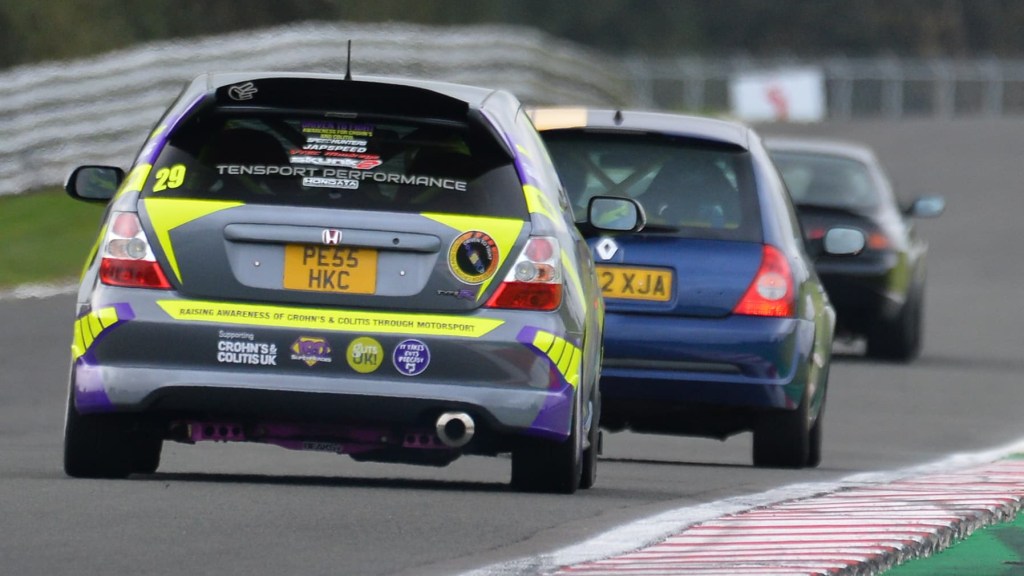
But Craig isn’t content to rest on the awareness he’s already generated. His ultimate goal is competition racing, using motorsport as an even bigger platform to show people living with IBD that “you can do what you want to do. Yes, it’s difficult, and you probably have to try harder than the average person. But this disease won’t define me. And stop me from doing what I love.”
The financial reality of racing remains a significant hurdle. Craig jokes about winning the lottery, but the underlying message is serious: pursuing motorsport with a chronic illness while funding everything yourself isn’t exactly easy mode. Still, he’s committed to keeping the car on track and at shows, with plans for a complete underneath refresh and rebuild. There’s even talk of a new livery, though the core mission remains unchanged: reach people with IBD and make them feel less alone.
How You Can Support the Fight
Supporting Driven to Fight starts with following Craig’s journey on Instagram and engaging with his content. Social media algorithms reward engagement, so your likes, comments, and shares directly impact how many people see the message. If you’re attending track days or car shows where Craig might be present, stop by and have a conversation.
Sharing Craig’s story within your own networks, particularly if you have connections in the automotive industry, helps expand the reach exponentially. Companies are increasingly looking for authentic ways to connect with causes that matter to their communities, and Driven to Fight represents exactly the kind of grassroots, genuine effort that resonates with both enthusiasts and corporate partners.
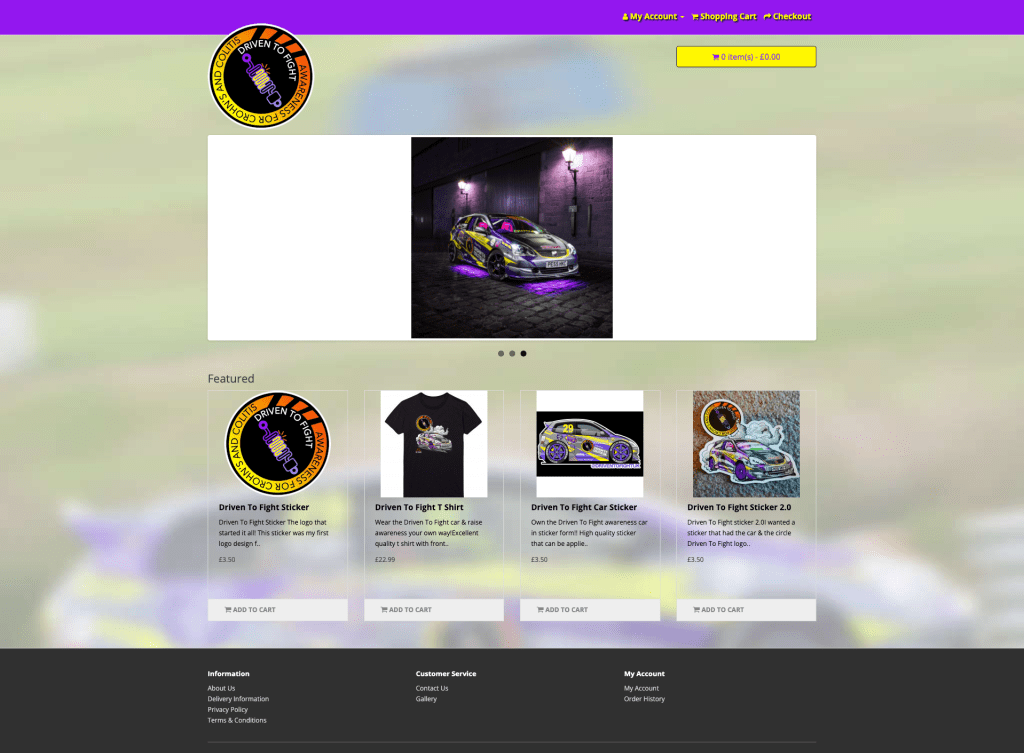
You can also support Craig directly by purchasing merchandise from his website at driventofight.com, helping fund both the awareness campaign and his continued track efforts. 10% goes straight to one of his preferred IBD charities, and the rest helps Craig stay on the track; both are deserving. For those dealing with IBD themselves, Craig mentioned you don’t have to support him directly to help the cause. His advice is pretty straightforward: talk to someone else who has the disease. The isolation that comes with chronic illness is real, but it doesn’t have to be permanent.
The Finish Line
Craig’s story with Driven to Fight represents something beautiful about car culture that often gets overlooked in discussions of horsepower figures and lap times. It’s about the human connections formed over shared passions, the way a modified Honda Civic can become a vehicle for hope, and the power of refusing to let circumstances define your limitations.
The project succeeds because it doesn’t ask anyone to be something they’re not. Craig isn’t pretending his illness doesn’t affect him or that cars have magically cured everything. Instead, he’s showing how pursuing what you love, even when it’s harder than it should be, can create ripples that extend far beyond your own experience.
There’s something distinctly British about the whole endeavor: modest in presentation, massive in heart, and delivered with just enough self-deprecating humor to keep things from getting too precious. It’s a reminder that the best automotive stories aren’t always about the fastest cars or the biggest budgets, but about the people who refuse to let obstacles stop them from chasing what matters to them.
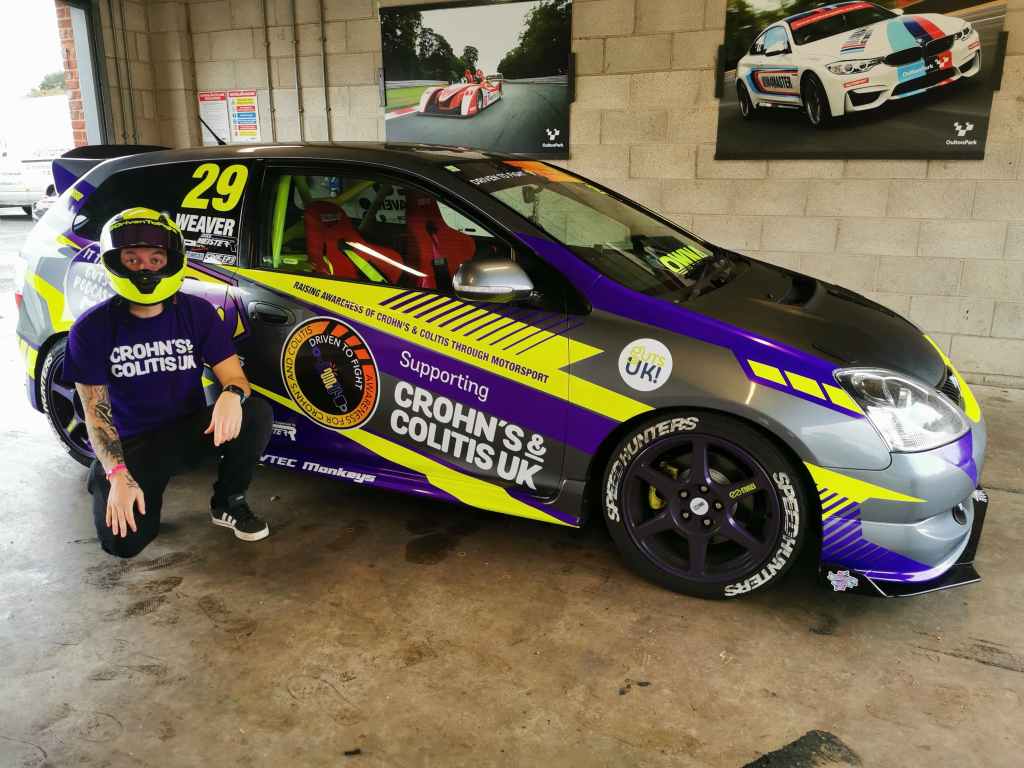
Every time Craig straps into his Type R and heads out for another session at Oulton Park, he’s not just working on his own lap times. He’s demonstrating that chronic illness doesn’t have to mean the end of your automotive dreams; it could be the beginning. And somewhere out there, someone else dealing with IBD might see that livery, read that story, and realize they’re not as alone as they thought.
That’s worth more than any trophy.

 The Late Brake
Leave a Reply