

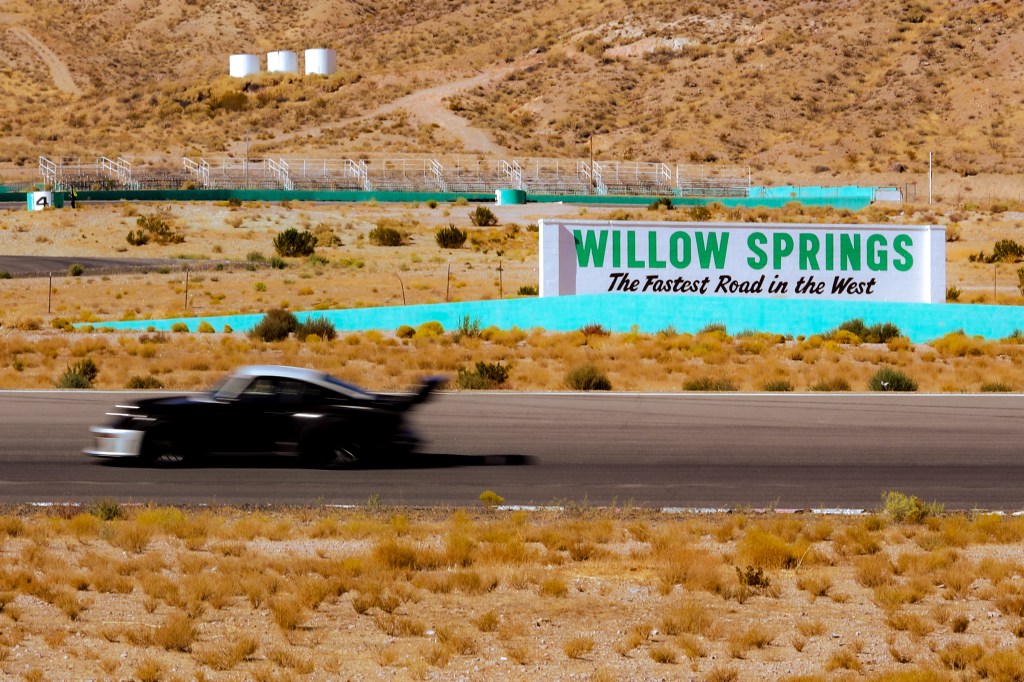
There’s a familiar knot in the gut that enthusiasts get when they hear a beloved racetrack is changing hands. The words “redevelopment” and “investment” get thrown around and suddenly visions of bulldozers replacing berms with condos dance in our heads. So when the news broke that Willow Springs Raceway had been sold to CrossHarbor Capital Partners and Singer Vehicle Design earlier in 2025, the initial reaction was understandably cautious. Press releases promised renovation and revitalization, but we’ve heard that song before.
The only way to know for sure was to show up to the track and see for myself. So when Willow Springs Reimagined rolled around, that’s exactly what we did. And under the California desert sun, walking through freshly painted paddocks, watching Lia Block shred tires in the Hoonitruck, and seeing the completely refinished Streets circuit gleaming with new asphalt and that distinctive green branding – those fears started to fade. This wasn’t just talk. This was actually happening.
If you’ve been doom-scrolling through news of yet another track biting the dust, this one hits different. Willow Springs isn’t just getting saved. It’s getting rebuilt, reimagined, and positioned as a flagship facility for the next generation of car culture. But don’t just take my word for it. Let’s walk through what we saw, what it means, and why it might just be the blueprint for how to save a historic racing venue.
A Brief History of the “Fastest Road in the West”
Before we dive into what happened at the event, let’s rewind the tape. Willow Springs International Raceway is the oldest permanent road course in the United States. Construction began in 1952, and the inaugural race took place on November 23, 1953. Originally, the plan was to create a replica of the Indianapolis Motor Speedway, but space constraints forced a different approach. What emerged was a 2.5 mile road course that conformed to the natural hillside topography of the California desert, creating a layout that has remained virtually unchanged since day one.
The track quickly earned its nickname: “The Fastest Road in the West.” The elevation changes, the high speed sweepers, and the unforgiving nature of desert racing made it a favorite among drivers. Over the decades, Willow Springs hosted everything from NASCAR Grand National Series races in 1956 and 1957 to countless club racing weekends, drift events, and manufacturer testing sessions. You may recognize it from its feature in the film “Ford v Ferrari” as well as numerous video games like Gran Turismo, Assetto Corsa, and iRacing. For Southern California car culture, Willow Springs isn’t just a track. It’s a pilgrimage site, at least it used to be.
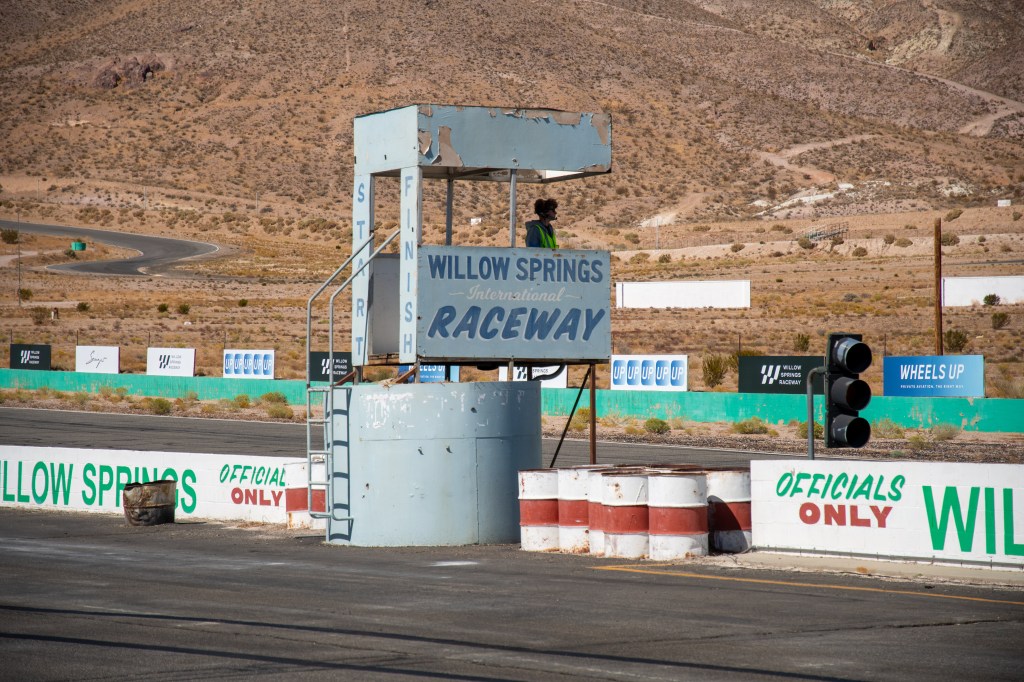
But like so many historic facilities, time caught up with it. The years have not been kind to the track and its grounds. The Huth family, who had owned and operated the track since 1962, eventually put the facility up for sale last summer. When the team behind Singer Vehicle Design purchased the track earlier in 2025, it marked the beginning of a new chapter. The question wasn’t whether the track would survive; it was whether it would survive. It was whether it would thrive.
Willow Springs Reimagined
As soon as I walked through the entrance, the historic facility came alive with a mix of curated car displays, on-track demonstrations, and the big reveal – the completed renovations to the Streets of Willow Springs and the kart track. This wasn’t just a ribbon-cutting ceremony with some fancy cars parked in a lot. The new ownership needed to prove they weren’t just another investment group with a press release and empty promises.

The event structure reflected that mission. A curated car show featuring over 50 vehicles from collectors, manufacturers, and social media personalities. On-track action on Big Willow all day, including a B-Sedan Racing legends reunion. The F.A.T. Karting League demonstrating youth motorsport done right. Formula Drift’s Jarod DeAnda on the mic keeping the energy high. Matt Farah recording a live episode of “The Smoking Tire” podcast. And most importantly, the renovated Streets circuit and kart track open for everyone to see. Lots of money was being thrown around and was easy to see. Usually, that’s not really my style, but here it felt much more of a showcase of what is to come and not just a flex.
It was also deliberately inclusive to all enthusiasts. There were kids zones, food trucks, and a festival vibe that made it clear this wasn’t some exclusive gathering. I even ran into Charles from SDC, which is always a good thing. All I could think of was how exciting it would be to see an IMSA or Porsche Carrera Cup race here. This place was primed for the next steps. The event even raised money for local nonprofits – the East Kern Family Resource Center and Lost Angels Career Center.
High Energy Paddock
Walking through the Willow Springs paddock felt differently than previous pictures I had seen. The renovated buildings, freshly painted to match the palette of the track’s new green and off white color scheme, looked sharp against the desert backdrop. Displays from FAT International, DirtFish, Shelby American, Porsche Santa Clarita, and Petersen Museum were spread throughout the facility, each setup showcasing not just cars but complete brand experiences. Each felt like a mini-car show in itself. The infrastructure improvements weren’t just cosmetic. They signaled that this place was being taken seriously again.
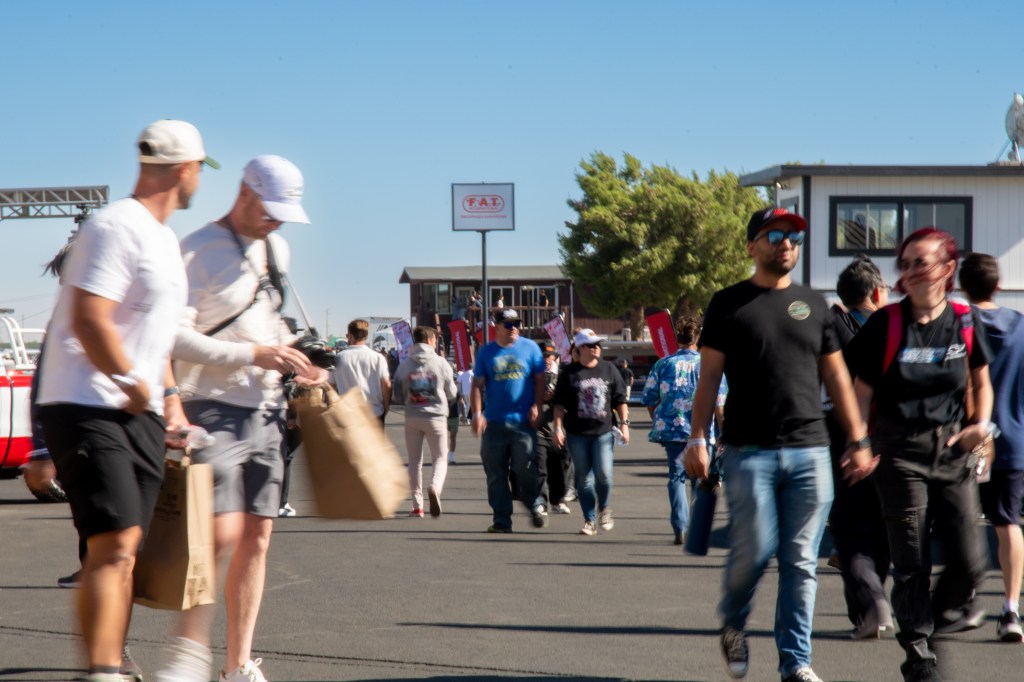
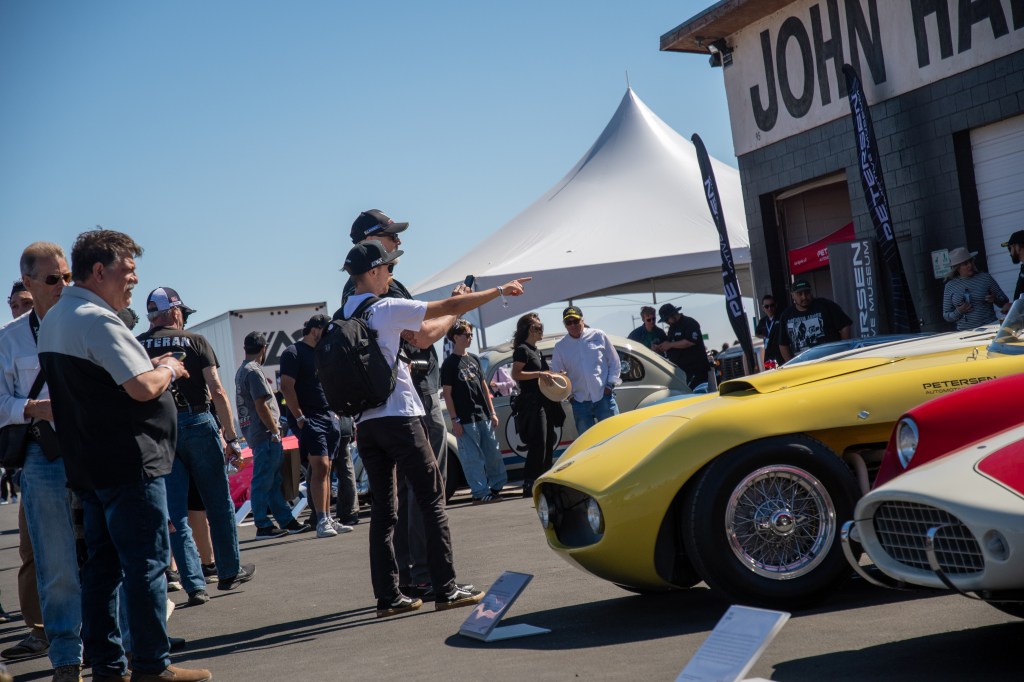
The paddock had energy. People weren’t just wandering from car to car. They were lingering, talking, actually engaging with the machines and the people who brought them. You could feel the excitement building as more attendees discovered what was tucked around each corner of the facility. While looking for a bathroom, I ran into the the “Lola” drift AE86 from the upcoming “Drifter” movie. The event almost had a Luft vibe of never really knowing what you were going to see or where. The layout made it easy to explore, with clear sightlines and enough space that it never felt crowded despite the turnout.
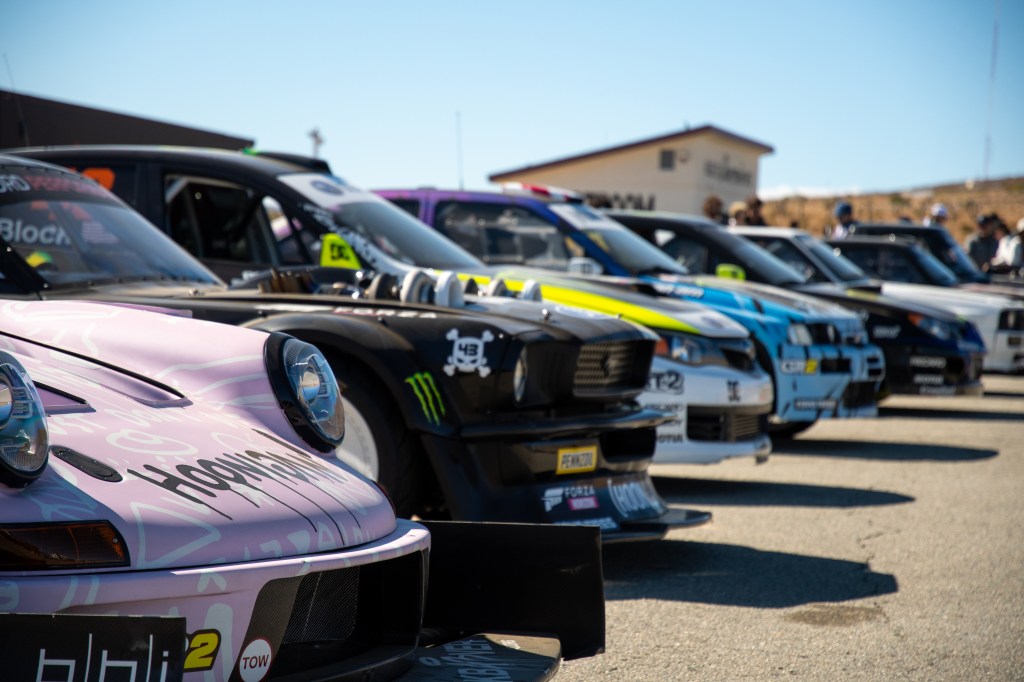
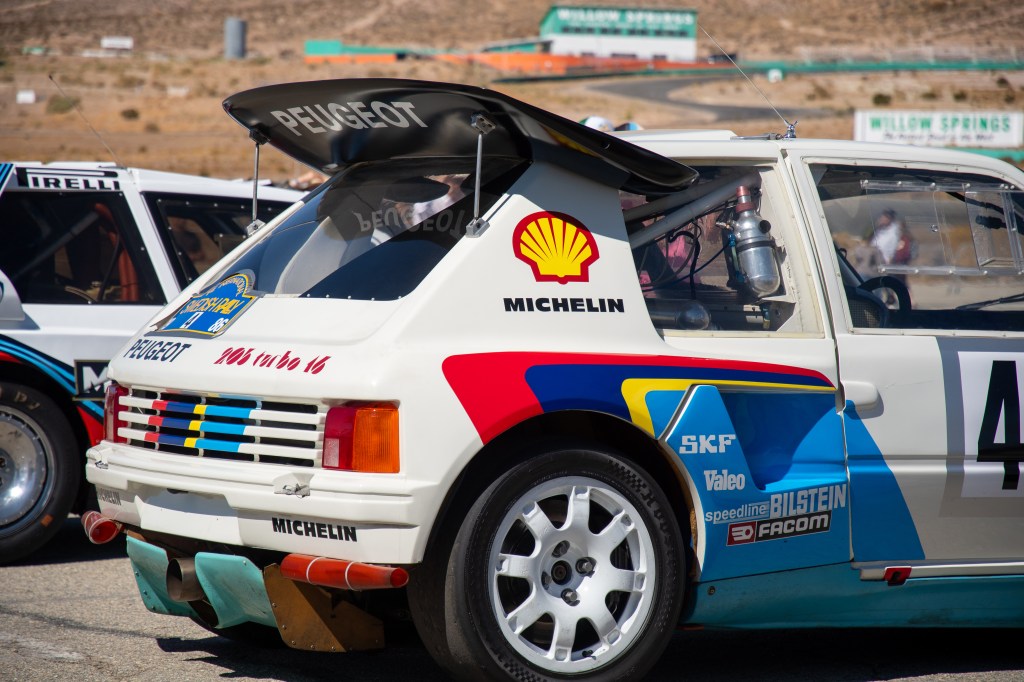

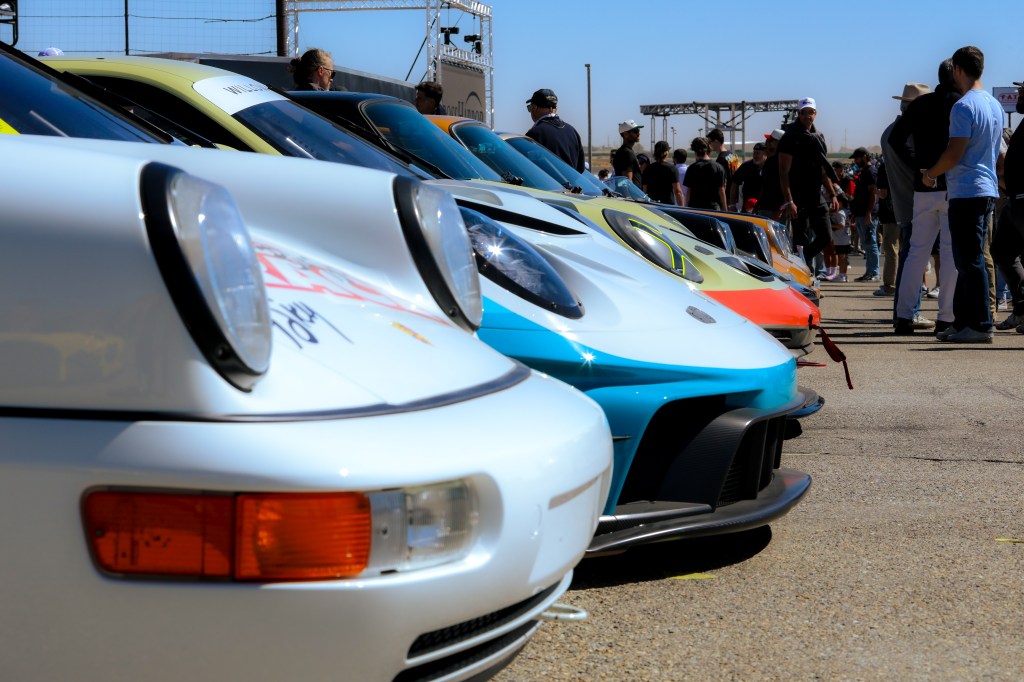
And then there was the curated car show itself, featuring more than 50 vehicles from prominent collectors, social media personalities, enthusiasts, and industry leading manufacturers. This wasn’t your typical cars and coffee lineup. Vin from Drivers Era brought his Ferrari 360. Hot Wheels brought two life sized replicas from its Garage of Legends: the 2001 Twin Mill and the 2011 Bone Shaker. The 43 Institute brought some of Ken Block’s most famous cars, including the Hoonicorn and the Cossie V2. DirtFish showcased rally history with a Peugeot 205 T16. It was enough to make you stop, stare, and reconsider your life choices.
But these cars sitting still only tell half the story of Willow Spring Reimagined.
Putting Cars On Track
The static displays were impressive, but Willow Springs is a racetrack, and the new ownership made sure Big Willow got plenty of use throughout the day.
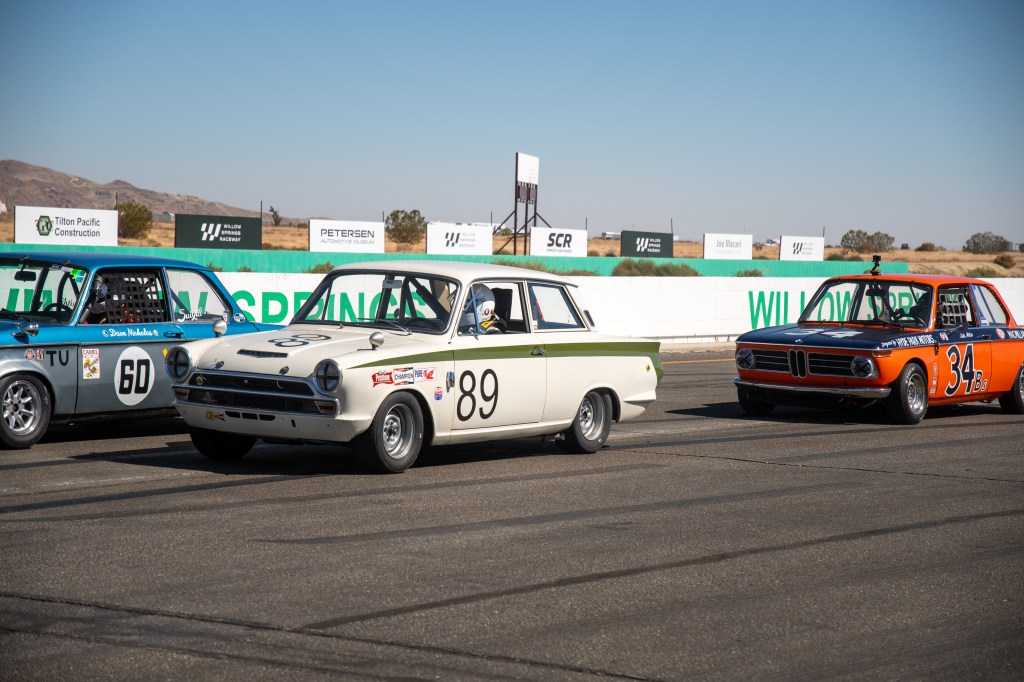
The B-Sedan Racing legends reunion was a highlight for anyone who appreciates grassroots racing history. B-Sedan Racing has over 50 years of history at Willow Springs, and seeing some of the category’s legends back on track where they made their names was the kind of moment that reminds you why tracks like this matter. These weren’t museum pieces being paraded around at parade lap speeds. These were real racecars being driven the way they were meant to be driven.
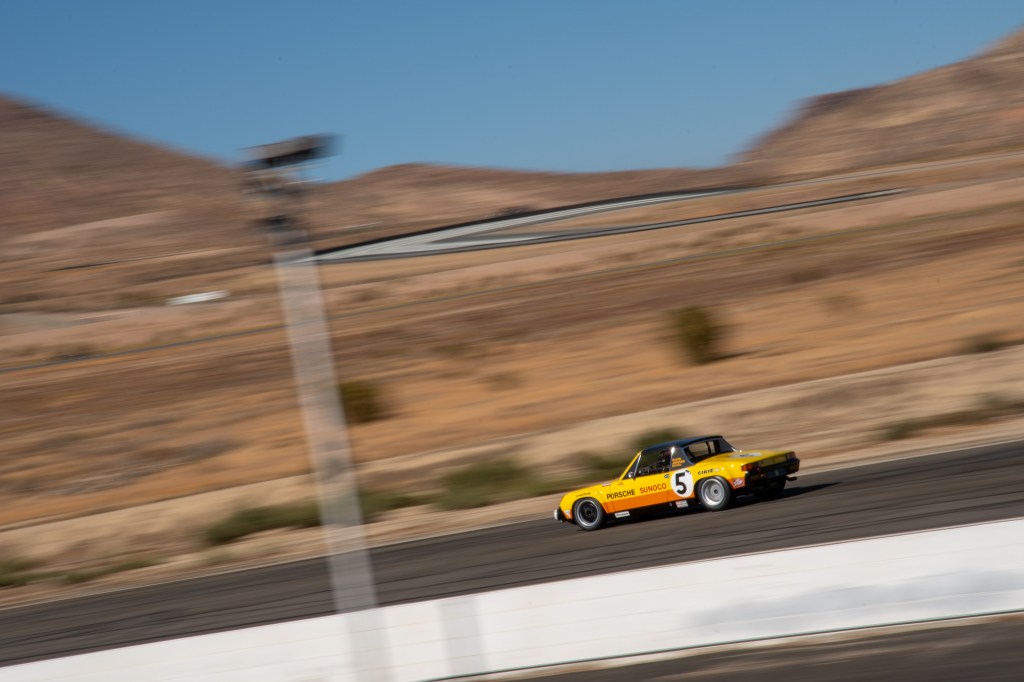
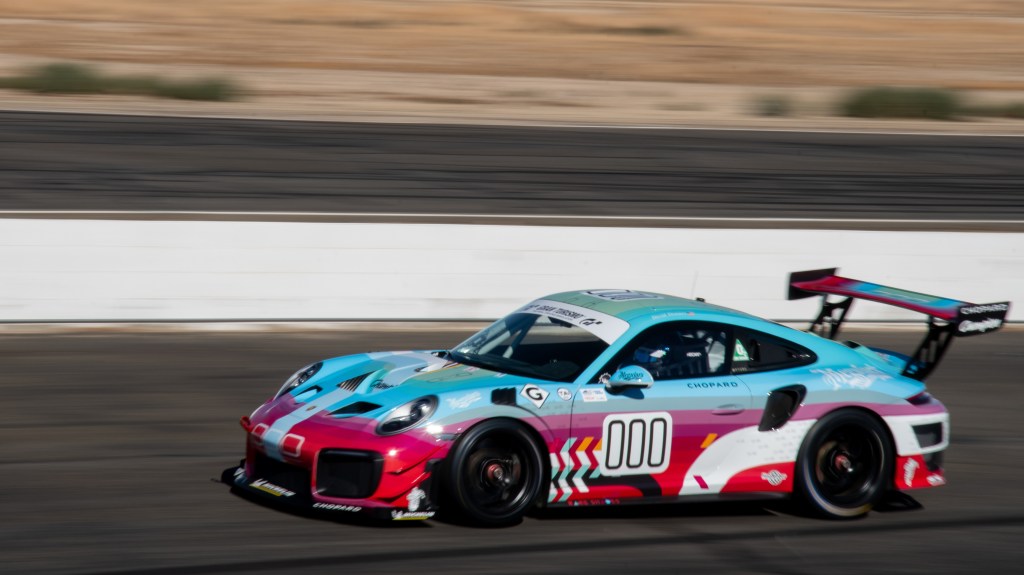
Singer, brought out some of their prototype vehicles for demonstration runs. Watching meticulously restored and reimagined Porsches attack Big Willow’s high-speed sweepers is the kind of thing that makes you understand why this partnership makes sense. Singer isn’t just a restoration shop with deep pockets. They’re enthusiasts who understand what makes a great driving road, and their involvement signals that Willow Springs will be developed with drivers in mind. Their motto of “Everything is important” was visible even to the casual view. If you care about the little things, people notice.
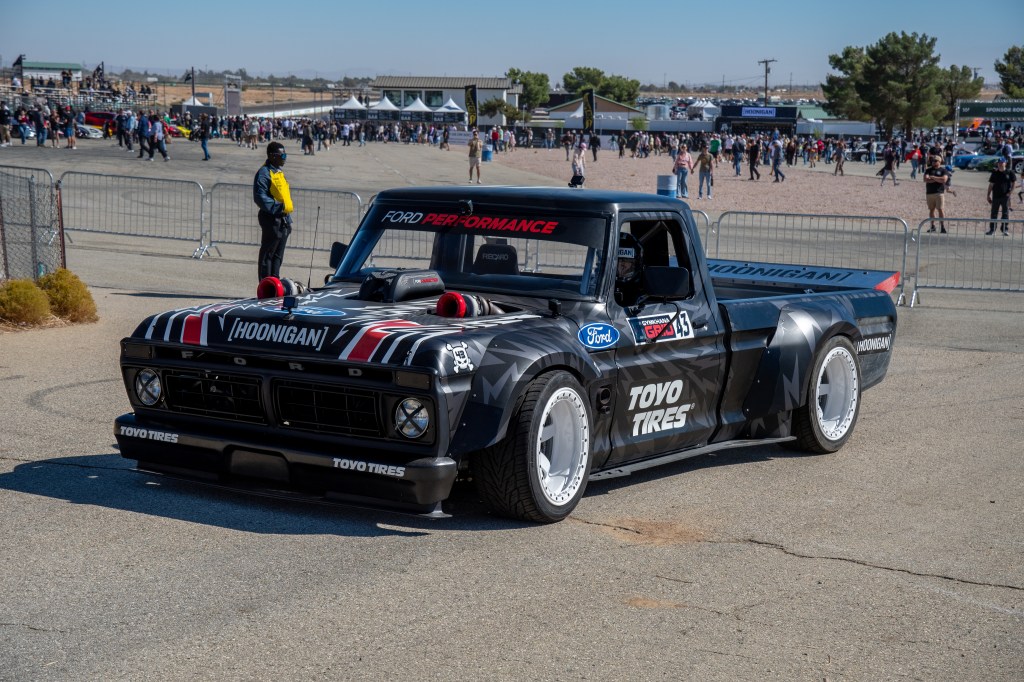
But if we’re being honest though, the crowd favorite was Lia Block absolutely shredding tires in the Hoonitruck. The 43 Institute brought a bunch of Ken Block’s vehicles, but seeing his daughter behind the wheel of the Climbkhana hero, sending it sideways and filling the desert air with tire smoke, was a moment that hit different. Unfortunately for me, I was on the complete opposite side of the track so i could see it but couldn’t get any pictures of it. But even the sound was enough to send me back to watching Ken’s videos for the first time. It was a reminder that the next generation is already here, already carrying the torch, and already making their own mark on motorsport history.
F.A.T. Karting League: The Next Generation of Racing
With the next generation already here, they need a place to race. One of the most forward thinking elements of Willow Springs Reimagined was the presence of the F.A.T. Karting League. For those unfamiliar with F.A.T., they host some of the coolest event including the F.A.T Ice Race, but today they are focused on their new racing league. The league is redefining youth motorsport starting with their karting league, but with the eventual goal of getting into F3, then F2, and ultimately F1. After successful rollouts in the UK and the U.S. Midwest, the league launched on the West Coast this summer, and Willow Springs is one of its host venues.
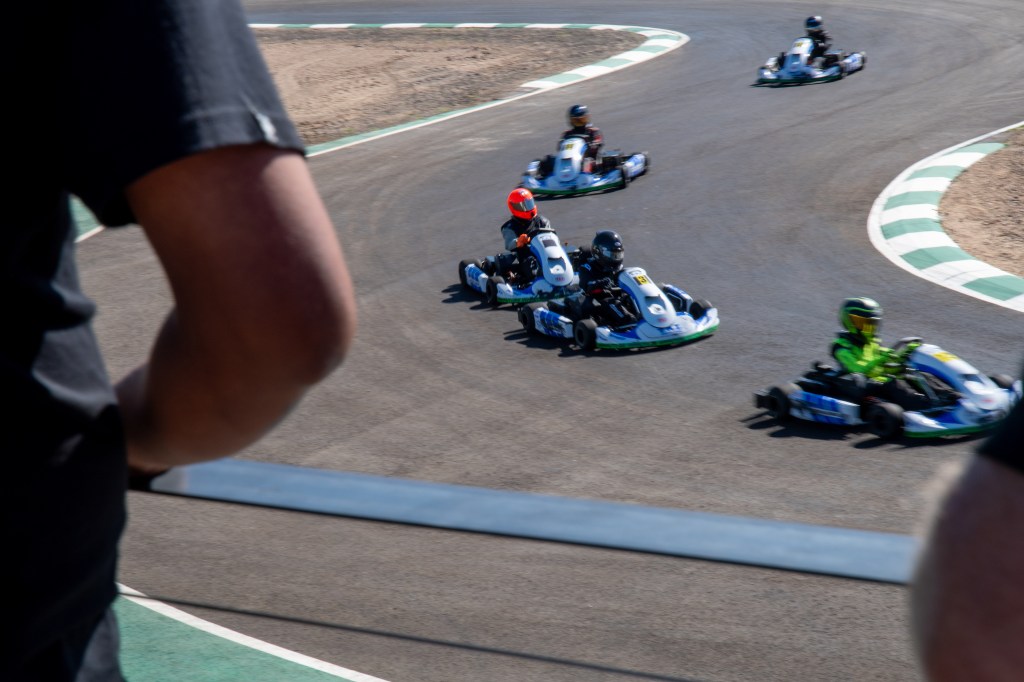
The F.A.T. Karting League offers an arrive and drive model with fixed, transparent pricing. No need for families to own or maintain their own karts. Every driver competes in fully electric, high performance karts engineered by former F1 engineers, with top speeds reaching 70 mph for the junior category. The program is aimed at drivers aged 5 to 17, and the best part? The top performing junior drivers can qualify for a fully funded Formula 4 seat for 2026. That’s the kind of opportunity that’s nearly unheard of in youth motorsport.
The league runs a four round Regional and Pro Championship through November, with championship contenders earning a spot in the December World Final in California. The presence of F.A.T. at Willow Springs isn’t just about karting. It’s about cultivating the next generation of racers in an accessible, sustainable way. It’s about giving kids who might not have the budget for traditional karting a shot at a real racing career. And it’s another signal that the new ownership is thinking long term about what Willow Springs can be.
What Did They Actually Renovate?
The real showstopper at Willow Springs Reimagined was the unveiling of the track renovations, but it started with something more subtle: a complete rebrand. The facility has a new logo and a fresh color scheme built around green and off white, and that green isn’t just for show. It’s now embedded throughout the newly refinished Streets of Willow Springs circuit, creating a cohesive visual identity that signals this isn’t the same operation anymore. The rebrand extended beyond the track itself, with new merchandise featuring the updated logo and an exclusive collaboration with The Drivers Era that gave fans something tangible to take home from the event.
The Streets of Willow Springs and the Willow Springs Kart Track both underwent major modernization and safety upgrades. We’re talking new asphalt to replace old, cracked surfaces, new internal and external curbs, grading and added gravel along the track perimeter, new runoff areas, and branded striping and logos in that new green and off white color scheme.

Three new chicanes were added to the Streets of Willow Springs circuit, along with tire barriers, Armco, and air fencing. The kart track, which had deteriorated to the point where it was nearly unusable, was completely resurfaced and is now a pristine 5/8 mile, 11 turn circuit. General Manager Rick Fedrizzi noted that the kart track was the first to be completed, and for good reason. It was in the worst shape.
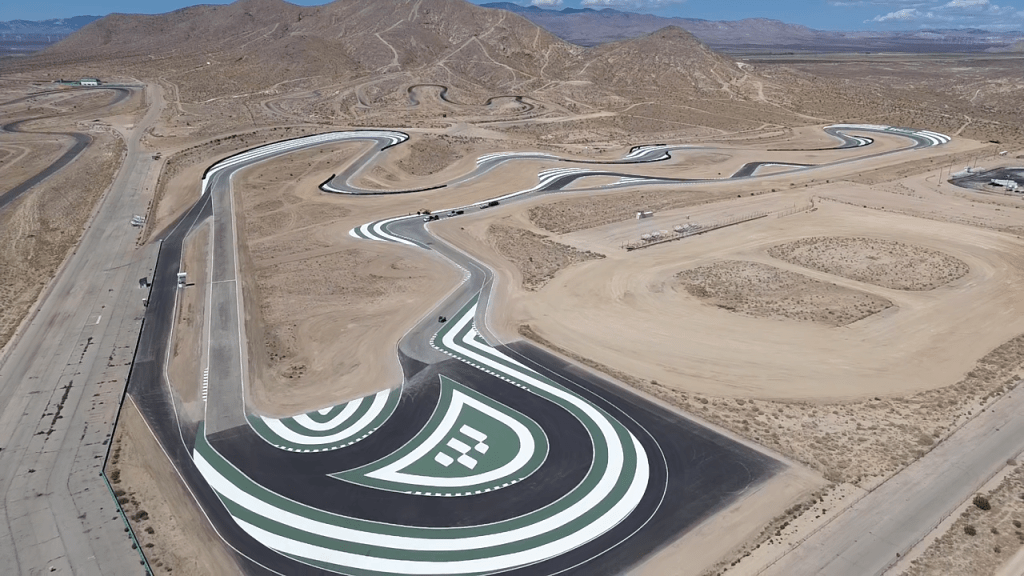
But here’s the thing: this is just the first phase. The new ownership has plans for Big Willow, the iconic 2.5 mile main course, and those plans are still under wraps. Fedrizzi teased that there are multiple phases of development in the works to take the facility to the next level. The goal is to have the infrastructure in place to host quality race events, and the Streets circuit is already there.I heard some rumblings from attendees that the main goal is to get large race organizers involved. Eventually getting the likes of IMSA, Indycar, even Nascar to participate at Willow Springs. With Streets of Willow and the karting circuit tackled, Big Willow is next.
So What? Why Does This Matter?
Let’s zoom out for a second. Racetracks are closing at an alarming rate across the United States. Irwindale Speedway, the House of Drift, closed at the end of 2024 after decades of being a home for grassroots motorsport in Southern California. Auto Club Speedway in Fontana is being torn down and redeveloped. Between suburban sprawl, rising property values, and declining attendance in places, the economics of keeping a racetrack alive have become brutal.
The two common threads? Real estate developers offering sums that track owners can’t refuse, and the simple fact that there are more entertainment options on any given weekend than ever before. Tracks that were once built on cheap land in the suburbs are now surrounded by neighborhoods full of people complaining about noise. The track becomes a liability, and eventually, it becomes a shopping center or a housing development.
That’s why Willow Springs Reimagined matters. It’s a counter narrative. It’s proof that with the right investment, the right vision, and the right commitment, a historic track can not only survive but thrive. The Singer team didn’t just buy Willow Springs to preserve it. They bought it to elevate it. The renovations, the partnerships with organizations like F.A.T. Karting League, the curated events – all of it points to a future where Willow Springs becomes a destination, not just a track.
And let’s be real: the motorsport community needs more of this. We need facilities that are willing to invest in infrastructure, safety, and accessibility. We need tracks that can host everything from grassroots club racing to professional events. We need places where the next generation can learn to race without needing a trust fund. Willow Springs is positioning itself to be all of that.
But here’s where things get interesting: we’ve all seen ownership changes go sideways before. Donut Media…cough, cough. Promises get made, priorities shift, and the vision fades. It’s happened enough times that a little skepticism is healthy. But what’s happening at Willow Springs feels different. The new ownership group isn’t just talking about accessibility and community, they are putting real money behind it. They’re honoring existing commitments. They’re building a facility that welcomes grassroots racers alongside hypercars. The renovations aren’t just cosmetic. The partnerships aren’t just for show. And most importantly, they’re building something for everyone, not just the ultra wealthy.
The real test, of course, is whether this vision holds over years, not just the first few quarters. But the early signs are encouraging. There’s genuine reason to be optimistic that Willow Springs isn’t just surviving the ownership transition – it’s thriving because of it. And if they pull this off? It becomes a blueprint for how to save a historic track and make it better.
A Good Start But Time Will Tell
Willow Springs Reimagined was more than just a celebration. It was a promise. A promise that the track’s best days aren’t behind it. A promise that the “Fastest Road in the West” will continue to challenge drivers for decades to come. A promise that when so many other tracks are falling to the bulldozer, this one is going to stand tall.
But beyond the spectacle, beyond the Hoonicorns and the hypercars and the life sized Hot Wheels, there was something else. There was hope. Hope that the tracks we love don’t have to disappear. Hope that with the right stewardship, they can evolve. Hope that motorsport, in all its forms, has a future that’s as bright as its past.
So here’s the takeaway: support your local tracks. Buy a ticket. Buy a T shirt. Show up. Bring your friends. Bring your kids. Because the difference between a 2026 schedule and another housing development might just be your attendance. Willow Springs is doing its part. Now it’s up to the rest of us to do ours.
The desert is calling. And for the first time in a long time, it sounds like a car enthusiast future.
 The Late Brake
Leave a Reply