

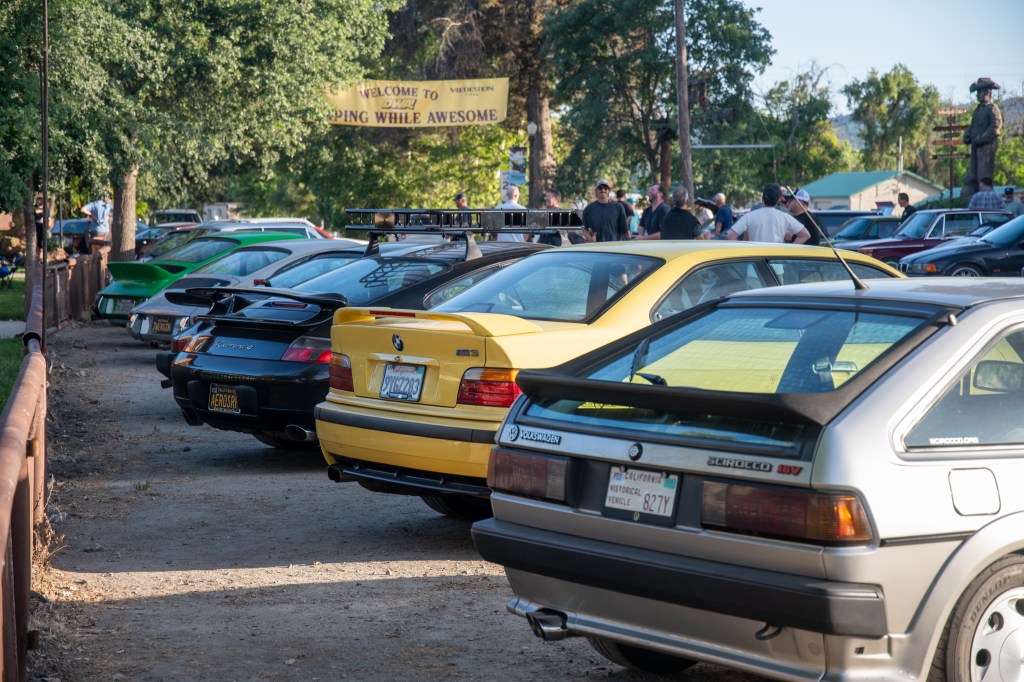
There is a particular kind of magic that happens when you take a group of like-minded car people, drop them onto a stretch of Central California backroads, and tell them to just drive. No cones to slalom around. No timer to beat. No Instagram grid shot to nail in front of a parked car at a strip mall. Hell, there’s not even cell service for most of it. Just winding roads, a rally route tucked in your glovebox, and rearview mirror full of 90s enthusiast cars ripping through the middle of nowhere. That is the Driving While Awesome Rally in a nutshell, and it is one of the most refreshing things happening in car culture right now (even though they have been doing it for years). I recently had the privilege of joining the crew at DWA for their 18th multi-day rally, and it left a mark on me.
What Is Driving While Awesome, and What Exactly Is a Rally?
If you have not heard about Driving While Awesome yet, here is the quick version: DWA is a California-based automotive media and events outfit built by Lane Skelton, Warren Madsen, and Art Cervantes, three of the same minds behind RADwood, the beloved show celebrating the rad cars of the 1980s and 1990s. You’ve likely heard of RADwood before, but you may not know DWA also runs a weekly podcast, organizes engaging events, and generally operates as a home base for people who are serious about cars but do not take themselves too seriously.
The rally side of things deserves a proper explanation because the word “rally” gets used in a lot of different contexts, and this is not a stage rally with co-drivers and pace notes. Nobody is sideways in a forest with a helmet on, well, not officially. A DWA rally is a road rally in the classic, point-to-point sense: a curated route across spectacular roads, driven at a sane and “legal” pace, with a group of enthusiasts who just genuinely love being behind the wheel of something interesting.
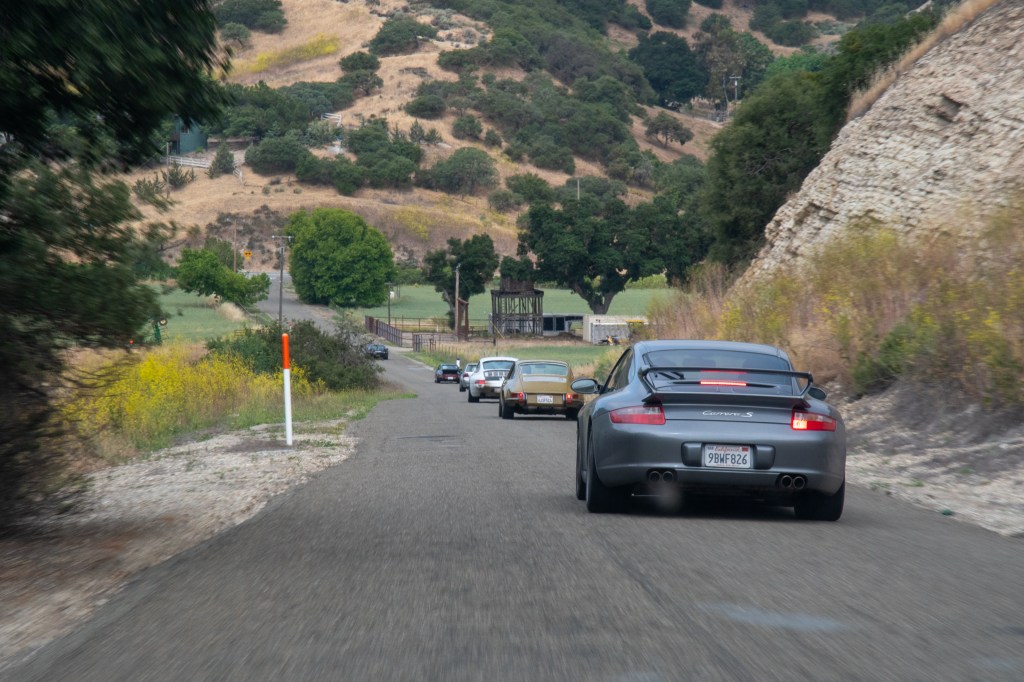
Think of it less like a race and more like a really good road trip with a killer group of people and better cars than usual. The route is provided to participants in a detailed rally guide book, and from there you navigate on your own schedule, stop where you want, soak it in, and end up at the same destination at the end of the day. The whole philosophy is about the drive itself being the event, not some arbitrary destination. Getting there is very much the point. Add 90+ cars full of people and you are almost guaranteed to end in a group of people that will become your friend for the weekend at a minimum.
The Camping While Awesome Experience
For their 18th rally, DWA went deep into California’s wild side, setting up base camp at the V6 Ranch in Parkfield, CA, a town with a population of exactly 18 people and an outsized reputation among those who know it. Parkfield sits on the cowboy side of California, the part that tourists rarely find, where cattle outnumber cars and the roads are wide open and wonderfully uncrowded.
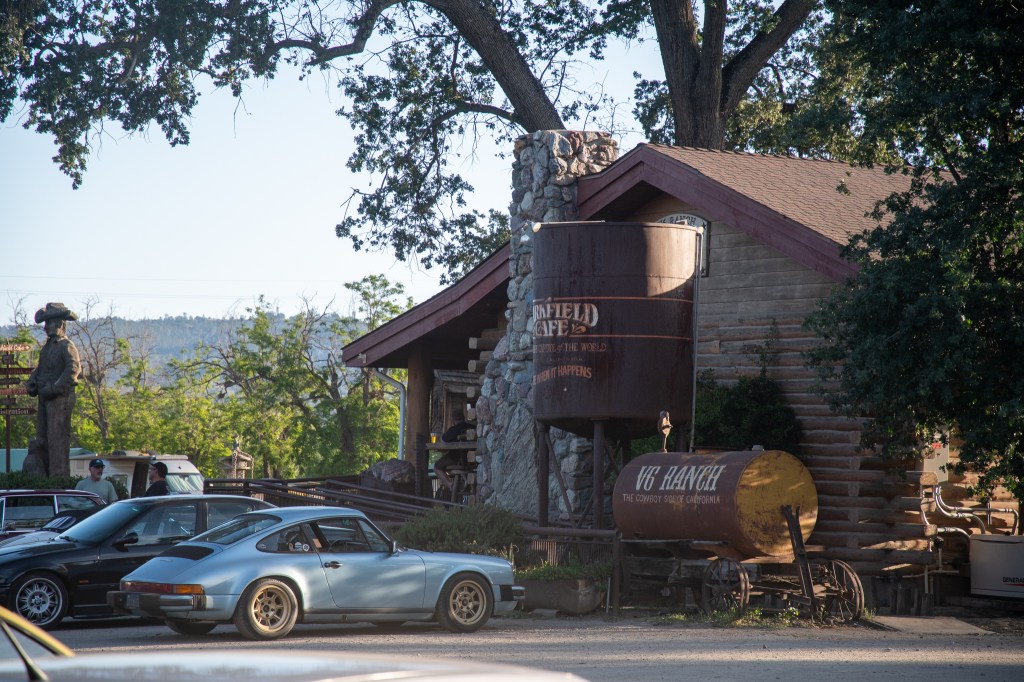
The V6 Ranch itself is a 20,000-acre working cattle ranch anchored by a historic lodge and cafe that feels lifted out of another era. It is the kind of place that makes you want to sit on the porch with a coffee and stare at absolutely nothing for an hour. The DWA crew used it as a home base, running routes out and back from the lodge each day while keeping the afternoons intentionally brief. The idea was to get back early enough to actually enjoy the property, take a dip in the pool, gather around the campfire, and dig into the hosted dinners that came with the entry.
Camping at the V6 grounds was included with every vehicle entry, and a limited number of hotel rooms, cabins, and bunkhouses are available at an extra cost for anyone who wants a bit more cushion under them at night. The entry package covers two hosted dinners, two breakfasts, a rally shirt, stickers, sponsor goodies, a raffle entry, and access to on-call mechanic support from Beeline European Auto Care along with roadside assistance through Hagerty Insurance. For a weekend that genuinely feels like automotive summer camp, it is a remarkable value.
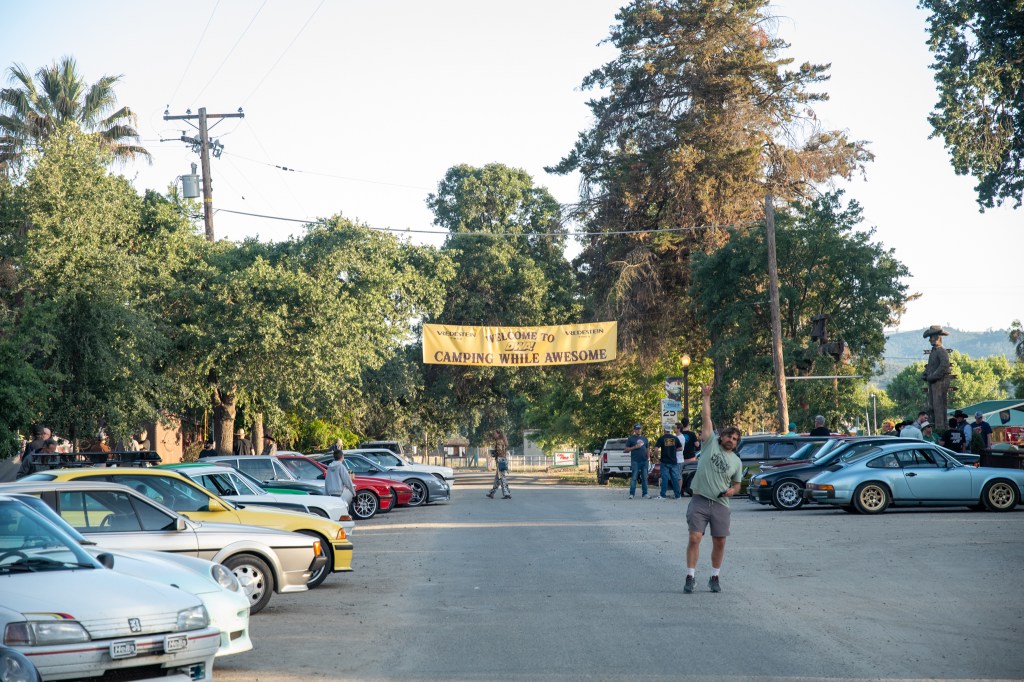
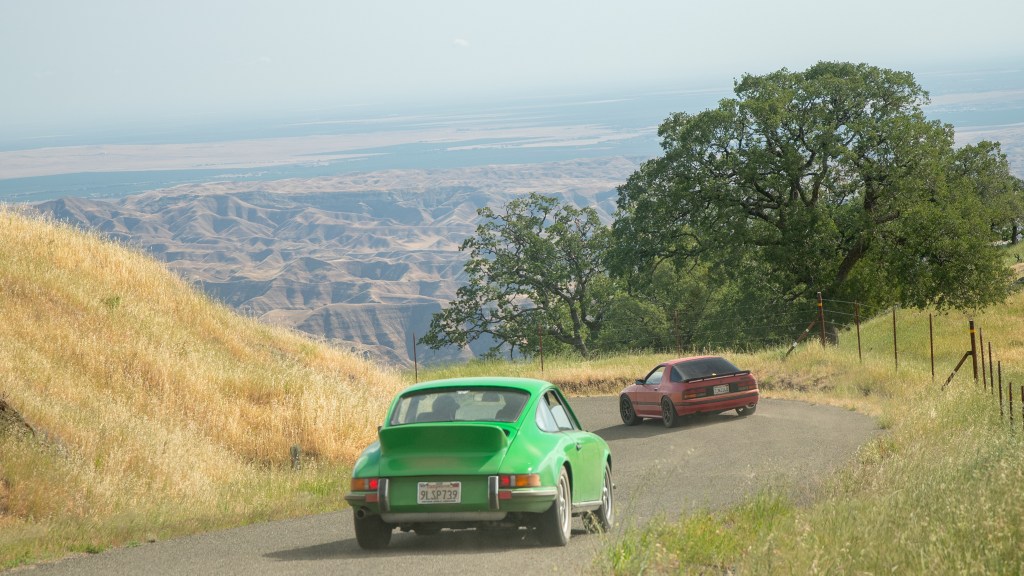
Not all DWA Rallies have restrictions, but this Camping While Awesome Rally was open exclusively to cars built in 1999 or earlier, and the route is built with those cars in mind. You are not hammering down a freeway; you are threading through Central California backroads that reward engagement, where every corner has something interesting on the other side and the scenery reminds you why California is still one of the greatest driving states in the country. The pace up to you. The DWA rules say it best: this is not a race, and if you drive like a jerk, you will be asked to leave and not invited back. There is no checkpoint pressure, no leaderboard, and no drama. You drive, you stop, you connect with people, and then you drive some more. A simple but powerful formula. That ethos filters the crowd beautifully.
The Route
In the interest of full disclosure, and out of respect for the rally’s better instincts, this is not the part where the exact route gets published turn by turn. Some roads are simply better kept between the people who bothered to show up for them. If a formal recommendation is required: assemble a group of friends with similarly aging vehicles, locate a rally, and attend it yourself. Consider it the price of admission.
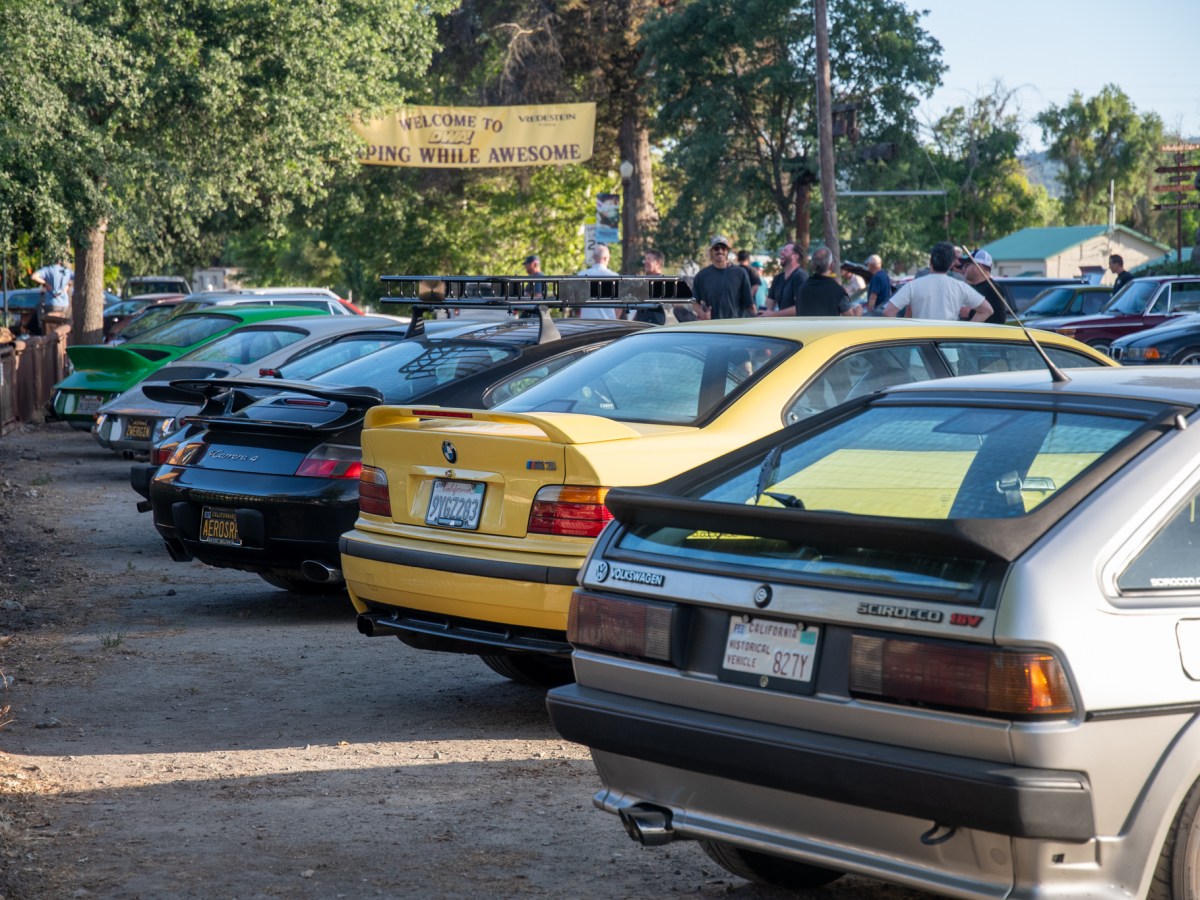
The weekend started low-key, with a social meetup in Cayucos on a Thursday evening. A chance for everyone to grab a drink, put faces to Instagram handles, and get a feel for who else was about to spend the next few days driving together. And of course, to check out all of the cars in the parking lot!
The real kickoff came Saturday morning at Morro Rock, one of those California landmarks that looks almost unreal in person, a 576-foot volcanic plug rising straight out of the Pacific. Watching the lot slowly fill in with iconic 90s cars against that backdrop, everyone milling around with coffee in hand, is as good a way as any to start anything.
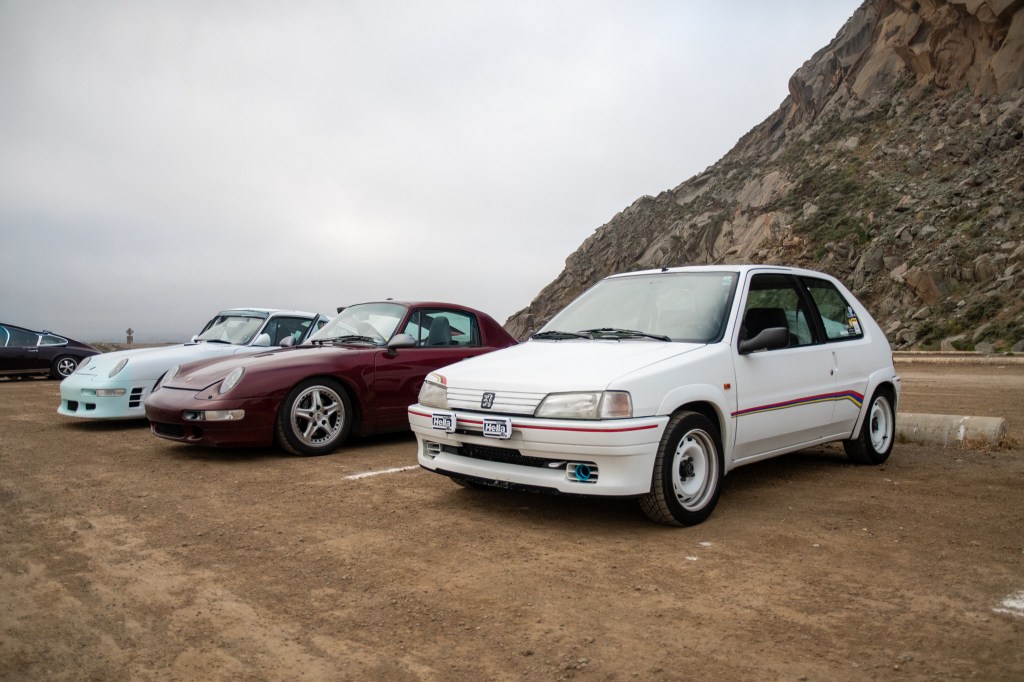
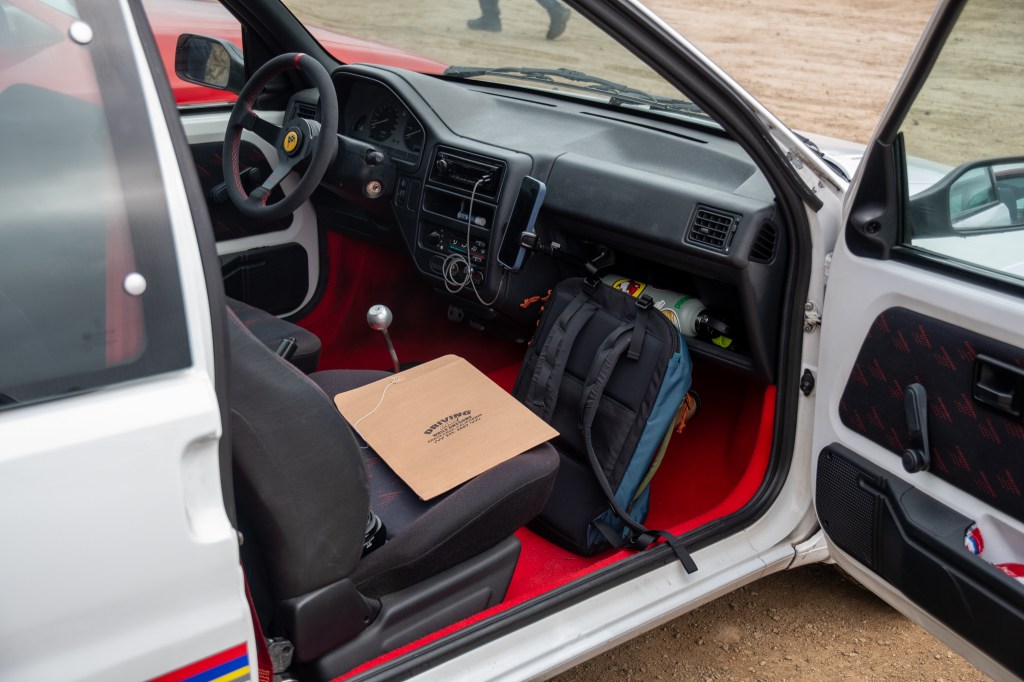
Morro Rock was also where the first drivers’ meeting happened, the point where the weekend’s plans went from theoretical to real. That’s where everyone got their gift bags for the weekend: a printed route guide, window cleaner, a T-shirt, a hat, and, most importantly, some beef jerky. It is the kind of moment that reminds you why you signed up in the first place, before a single mile of the actual route has even been driven. After learning where we’d actually be driving for the rest of the weekend, you could feel the excitement in the air.
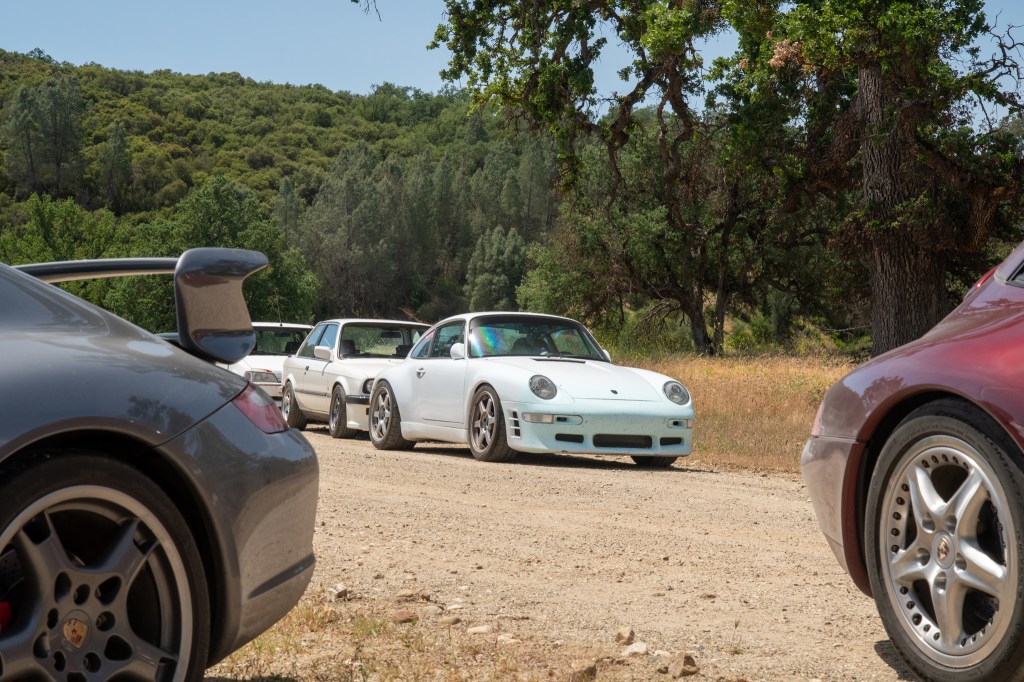
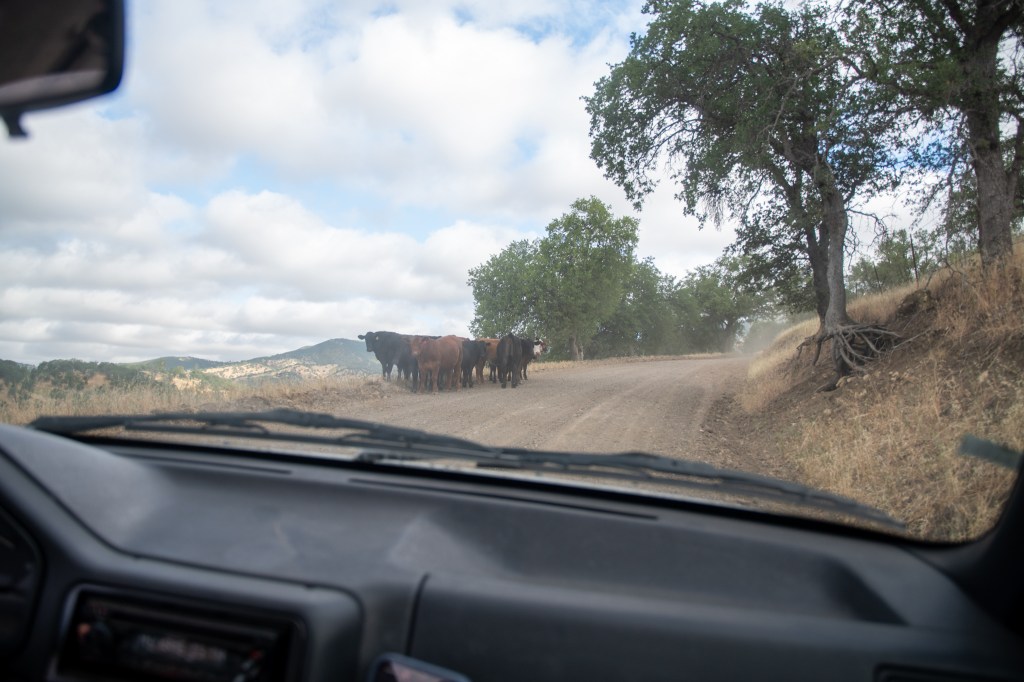
From Morro Rock, the group pointed inland and started working toward Parkfield, trading coastline for canyon roads along the way. From there, the days settled into a rhythm of out-and-back drives from the V6 Ranch, each one carving through a different slice of Central California, oak-covered hills, open ranchland, tight canyon switchbacks, and dry lake beds so that no two days looked alike. You never know what you’ll find on a rally; it might be a herd of cows in the middle of nowhere, it might be yourself.
The Cars
If the roads are the stage, this is the cast — and the pre-2000s cutoff is what makes it worth talking about. These aren’t cars weighed down with lane departure warnings, heated everything, and a touchscreen mediating every input. They’re light, mechanical, and built with a single job: to be driven well. No computer smoothing out your mistakes, no assist systems doing the thinking for you. Just a wheel, three pedals, and a direct line between what you do and what the car does.
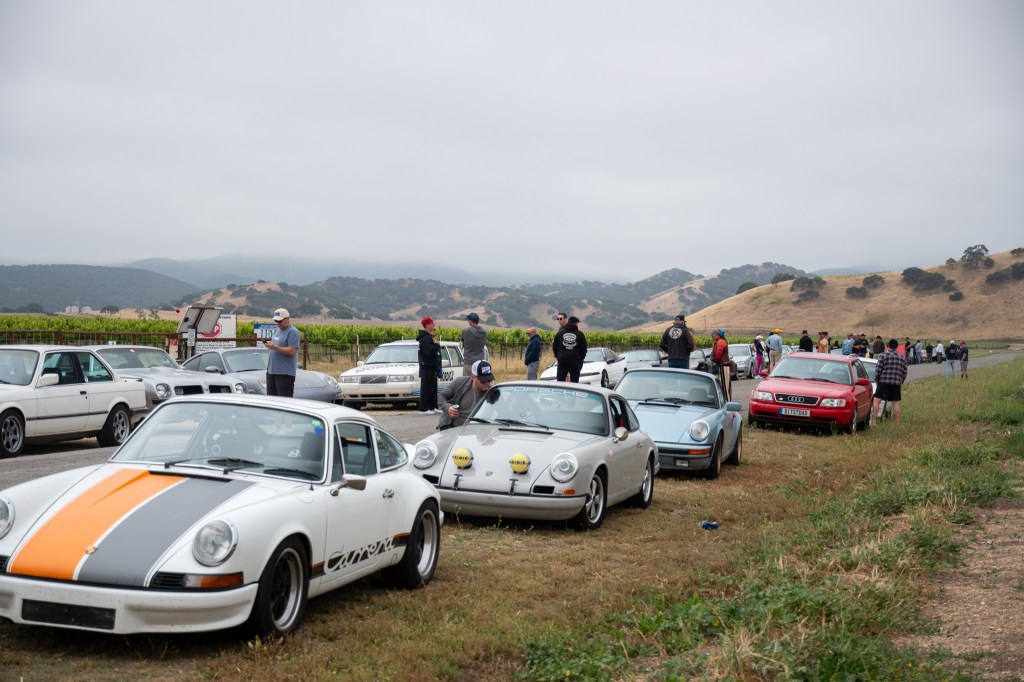
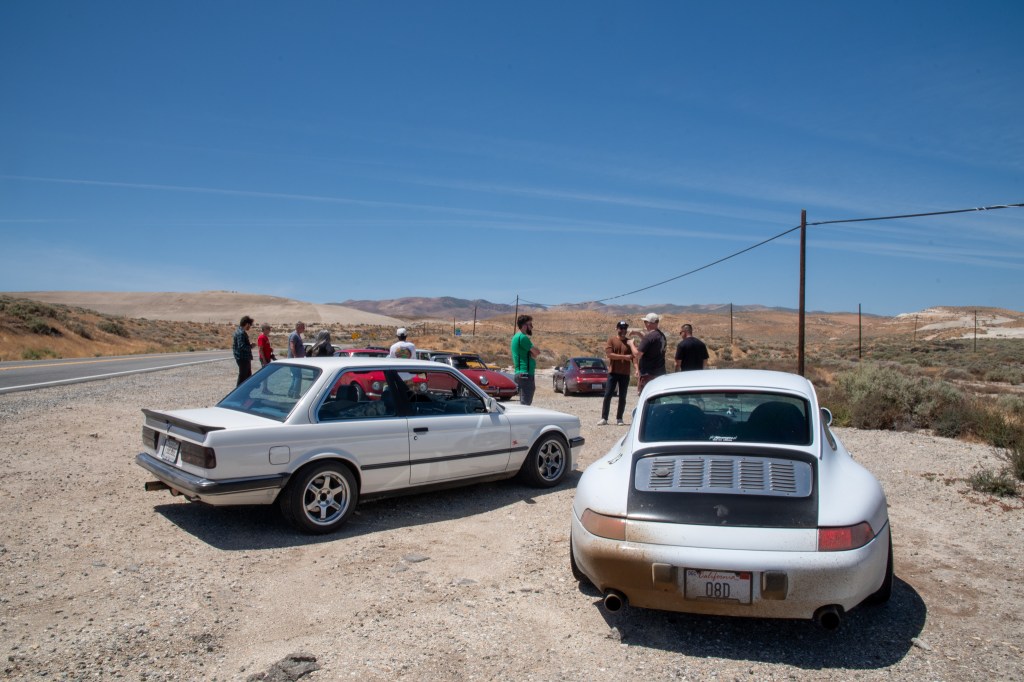
That cutoff does something else too, whether it’s intentional or not: it filters out the clout-chasers. You can’t rent a supercar for the weekend and roll in looking for likes when the rule is “1999 or older.” There’s no flexing an exotic you don’t own here. What you’re left with is a field of cars that are genuinely harder to own — harder to source parts for, harder to keep running, harder to justify to anyone who isn’t already obsessed — which means everyone who shows up actually wants to be there for the driving, not the audience. That’s the real draw. In an era when even economy cars ship with more processing power than they know what to do with, there’s something almost radical about a car that asks you to pay attention and engage, and a rally that only invites people willing to put in the work to keep one alive.
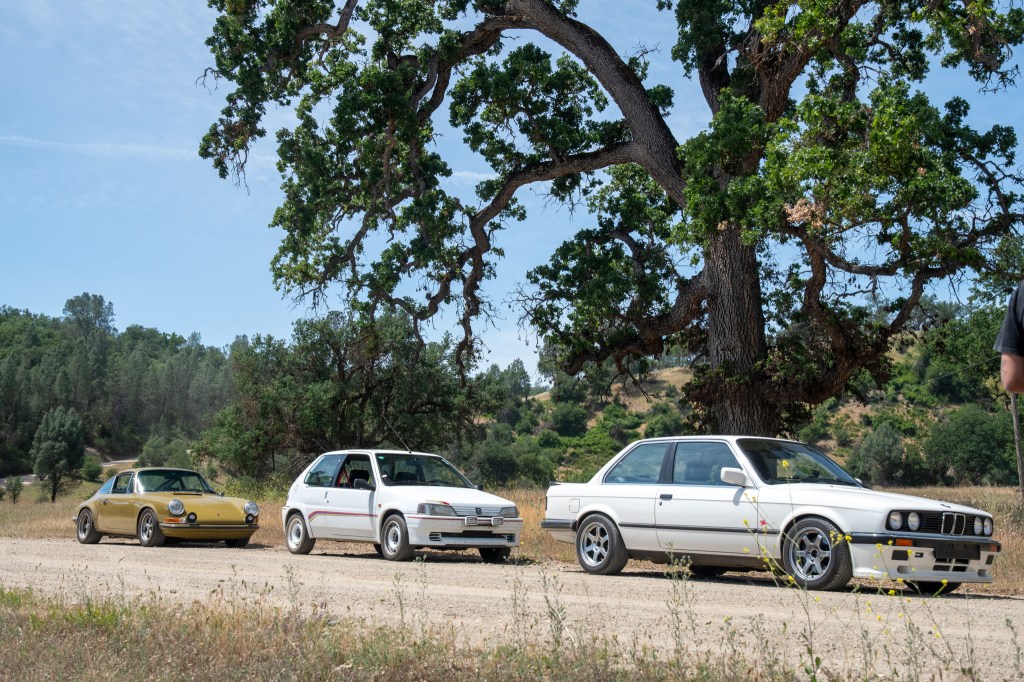
There are too many cars to mention, but one that stood out was Art’s. An early E30, on paper nothing unusual for this crowd, until you noticed the engine bay: a K20 swap done well enough that it looks close to factory, minus the Honda badges giving away the secret. It dyno’d around 270 whp, which undersells the experience of hearing it — the induction noise alone is worth the price of admission, the kind of sound that has heads turning at every gas stop. Sitting on a set of Volk TE37s, with a titanium exhaust that had already started bluing from the heat by the time we pulled in behind him for the day, the car said the rally’s whole ethos without anyone needing to explain it. Keep the chassis and the character that made you fall for the car in the first place, modernize only the parts that make it better, and then drive it hard enough, and often enough, that the proof shows up in the metal itself. Multiply that mindset across a fleet of enthusiast cars and you start to understand what actually holds a rally like this together.
Why Events Like This Matter More Than Ever
The pushback against Cars and Coffee type events is real, and it is not entirely unfair. Across the country, these cookie cutter gatherings have become increasingly fraught. The stories are everywhere: reckless exits, burnouts into pedestrians, police shutdowns, venue bans. The events are often more about performance for a crowd than any actual love of driving. You park, you pose, you scroll through your phone, and then someone in a rental exotic does something catastrophically stupid on the way out and ruins it for everyone.
That is not a dig at the original concept, which is genuinely good. Bringing car people together in one place is a worthy goal. But there is a growing and understandable frustration among enthusiasts who feel like the culture has drifted toward spectacle and away from something more essential: actually driving these cars instead of flexing ownership of them.
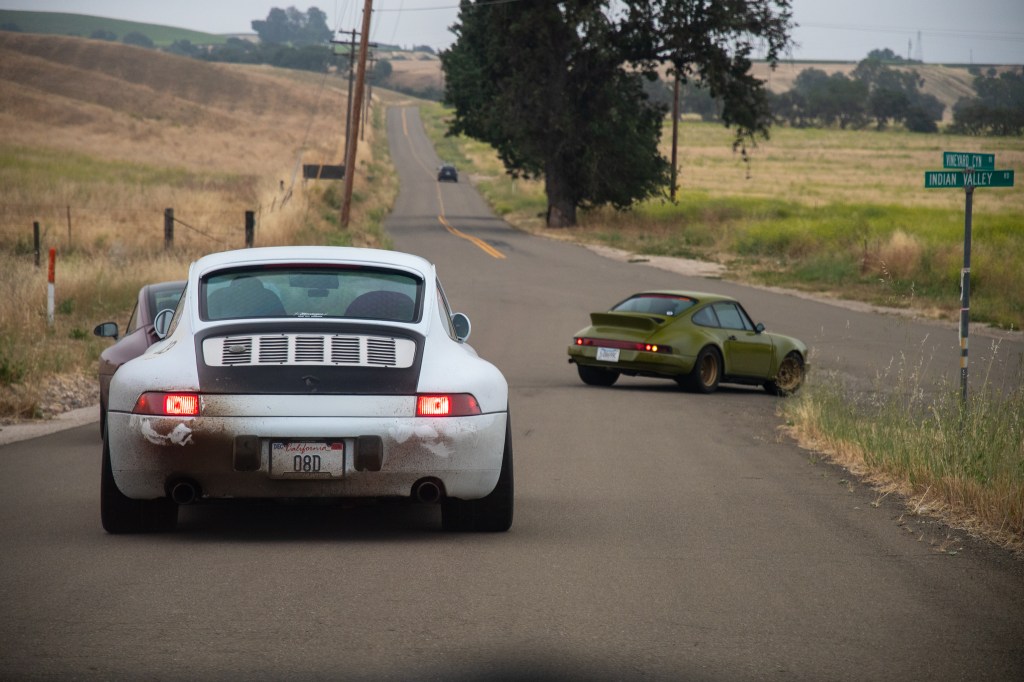
A rally like the Camping While Awesome Rally is the antidote to that drift. There is no audience here. Nobody is watching you roll in. The “clout,” if you want to call it that, comes entirely from participating in something that requires you to show up, strap in, and drive your car through genuinely beautiful and demanding roads for multiple hours across multiple days. The experience is the reward, not the content you might capture along the way.
There is also something to be said for the mechanical honesty of it. When your car has to cover 500-plus miles of California canyon roads over a weekend, you find out what it is made of, and what you are made of as a driver. Or closer to 2000 miles if you made the drive from Reno, NV like I did. The shared vulnerability of a group of people in old cars, far from any dealership, is a surprisingly powerful bonding agent. Conversations at the campfire are different when everyone has skin in the game. Nobody is just showing up to look cool. They are there because they love this in their bones.
This is what car culture actually looks like, and it is worth protecting and celebrating.
A Rally Worth Following
The Driving While Awesome crew has built something genuinely special over the course of 18 rallies, and the Camping While Awesome event captures exactly what makes the DWA approach work. It is enthusiast-first, experience-driven, and completely devoid of the ego that can poison gatherings like this. The cars are extraordinary. The roads are even better. And the people who show up, especially like the lovable psychos who drove in from Texas to make the weekend, are exactly the kind of enthusiasts who remind you why you got into cars in the first place. You show up because you never know what your in for other than a good time.
If you have ever had the thought that you should drive your car more, that you should stop saving it for a special occasion that never quite materializes, the DWA Rallies are your invitation to stop waiting. The next rally is already booked out, but there will no doubt be more.
If you are feeling stagnant and looking for something new, the solution is easy. Pack a tent. Check your fluids. And for once, actually go drive the thing.


Leave a Reply